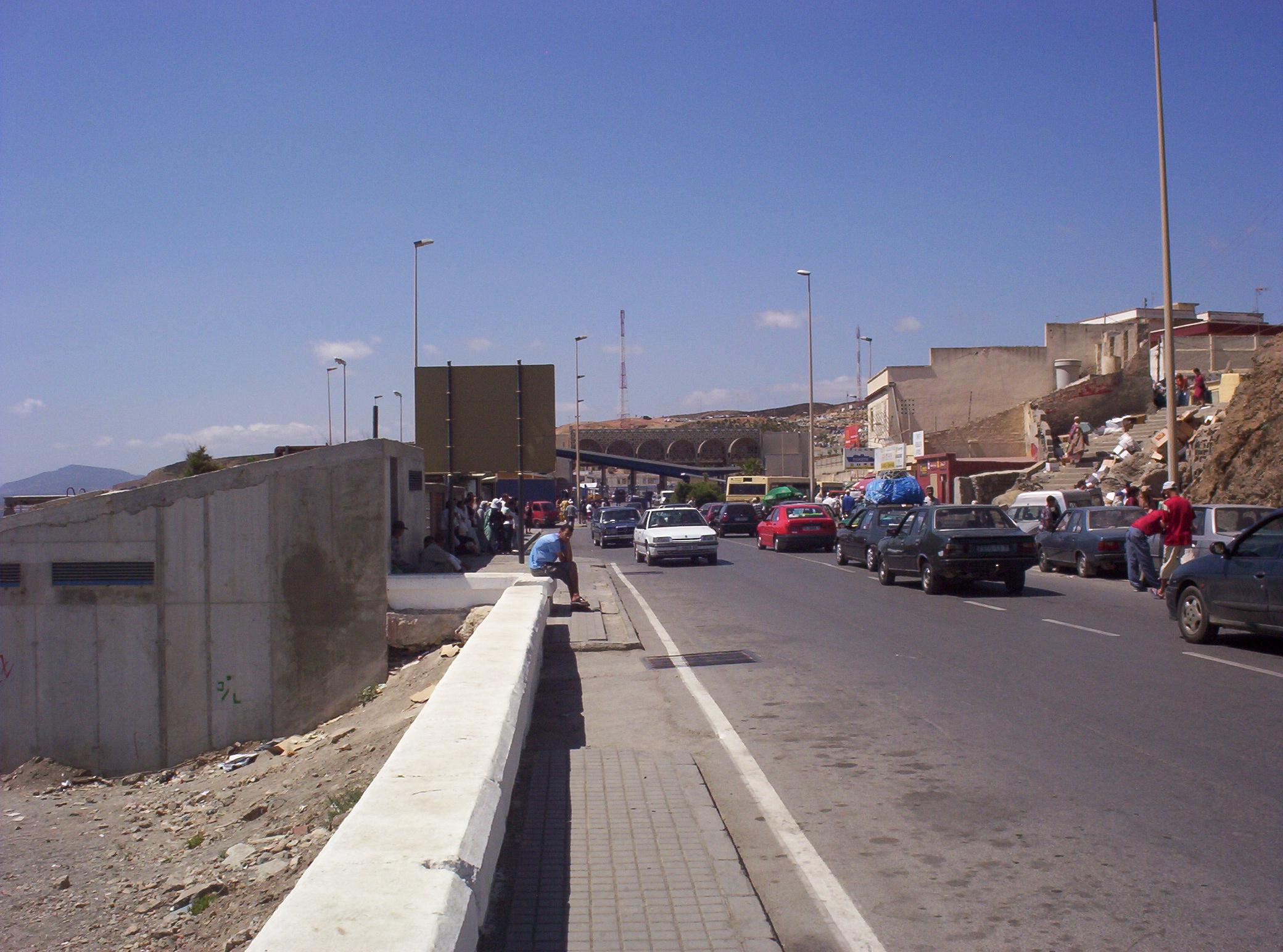
Morocco announced Monday that 11 migrants died while attempting to reach the Spanish enclave of Ceuta [1].
The discrepancy in casualty figures highlights the ongoing tension and lack of coordination between North African and European authorities regarding border security. This gap in reporting underscores the volatility of the migration routes and the difficulty of verifying losses in high-conflict zones.
Spanish authorities provided a significantly higher estimate, reporting that at least 72 people died [1]. The difference between the Moroccan figure of 11 [1] and the Spanish figure of 72 [1] reflects a stark contradiction in the official records of the tragedy.
In the first official statement released by the Moroccan Ministry of Interior, the government attributed the crisis to several external factors. A spokesperson for the ministry said the situation was driven by the "malicious exploitation of the digital space, spread of misinformation, role of human‑trafficking gangs, and misinterpretations of legal and administrative data" [1].
Moroccan officials suggest that digital platforms have been used to lure migrants with false promises or incorrect legal information, encouraging risky crossings. The ministry pointed to the organized nature of trafficking networks as a primary driver of the deaths, a claim that shifts the focus from border enforcement to criminal activity and digital manipulation.
Spanish officials have not issued a direct rebuttal to the Moroccan ministry's specific claims regarding digital misinformation, but their higher death toll suggests a larger scale of disaster than Rabat has acknowledged. The events occurred as migrants attempted to enter Ceuta, a Spanish territory on the north coast of Africa, where border pressures frequently lead to humanitarian emergencies.
“Morocco reports 11 deaths while Spanish authorities state at least 72 died”
The wide gap between the death tolls reported by Rabat and Madrid indicates a failure in bilateral data sharing and a political struggle over the narrative of border control. By blaming 'digital misinformation' and trafficking gangs, Morocco frames the crisis as a result of external manipulation rather than a failure of domestic security or a humanitarian collapse, while Spain's higher count emphasizes the severity of the loss of life.