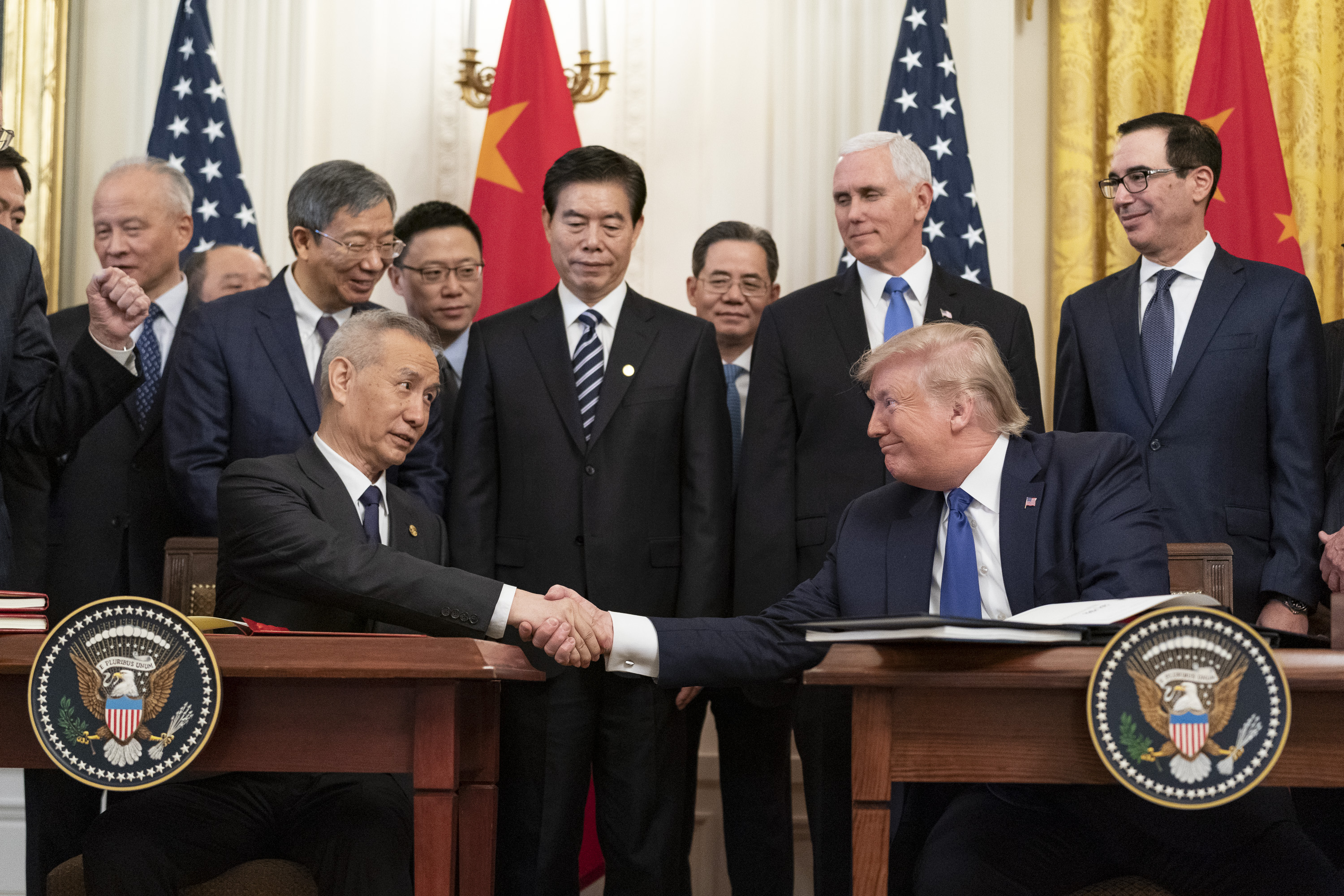
Former White House chief of staff Mick Mulvaney said a new U.S.–Iran agreement ending the war leaves Iran stronger after the conflict [1].
The deal is significant because it reopens the Hormuz Strait, a critical shipping lane for global energy supplies, and aims to stabilize international oil markets [2].
Speaking in an interview broadcast on Sky News Australia this week, Mulvaney said the terms of the agreement are flawed [1]. He said the deal allows Iran to benefit from the reopening of shipping lanes and a stronger post-war economy [1]. Mulvaney said the current arrangement fails to maintain the pressure previously applied to the Iranian government [1].
"Before the war, the Straits were open, the stock markets were up, gas prices were down, and we had sanctions on Iranian oil," Mulvaney said [1].
The agreement has drawn sharp criticism from various quarters. Some observers have described the deal as the worst foreign policy blunder in decades [3]. This sentiment is mirrored by reports that the Iranian government believes it has won the war [4].
Market reactions to the deal have been immediate. Oil prices have continued to fall following the signing of the agreement to end the war and reopen the Hormuz Strait [2]. The economic shift comes as other global financial indicators remain steady, such as the Bank of England holding its main interest rate at 3.75% [5].
Mulvaney's critique centers on the idea that the U.S. has traded long-term strategic leverage for short-term economic relief in the form of lower gas prices [1]. By reopening the strait without maintaining stringent sanctions, he said the U.S. has effectively aided the Iranian economy [1].
“"Iran’s government thinks it has won the war."”
The debate over the U.S.–Iran deal reflects a fundamental tension between global economic stability and strategic containment. While the reopening of the Hormuz Strait lowers the risk of energy price shocks, critics argue that removing these pressures grants Iran a geopolitical victory and economic recovery that may undermine future diplomatic leverage.