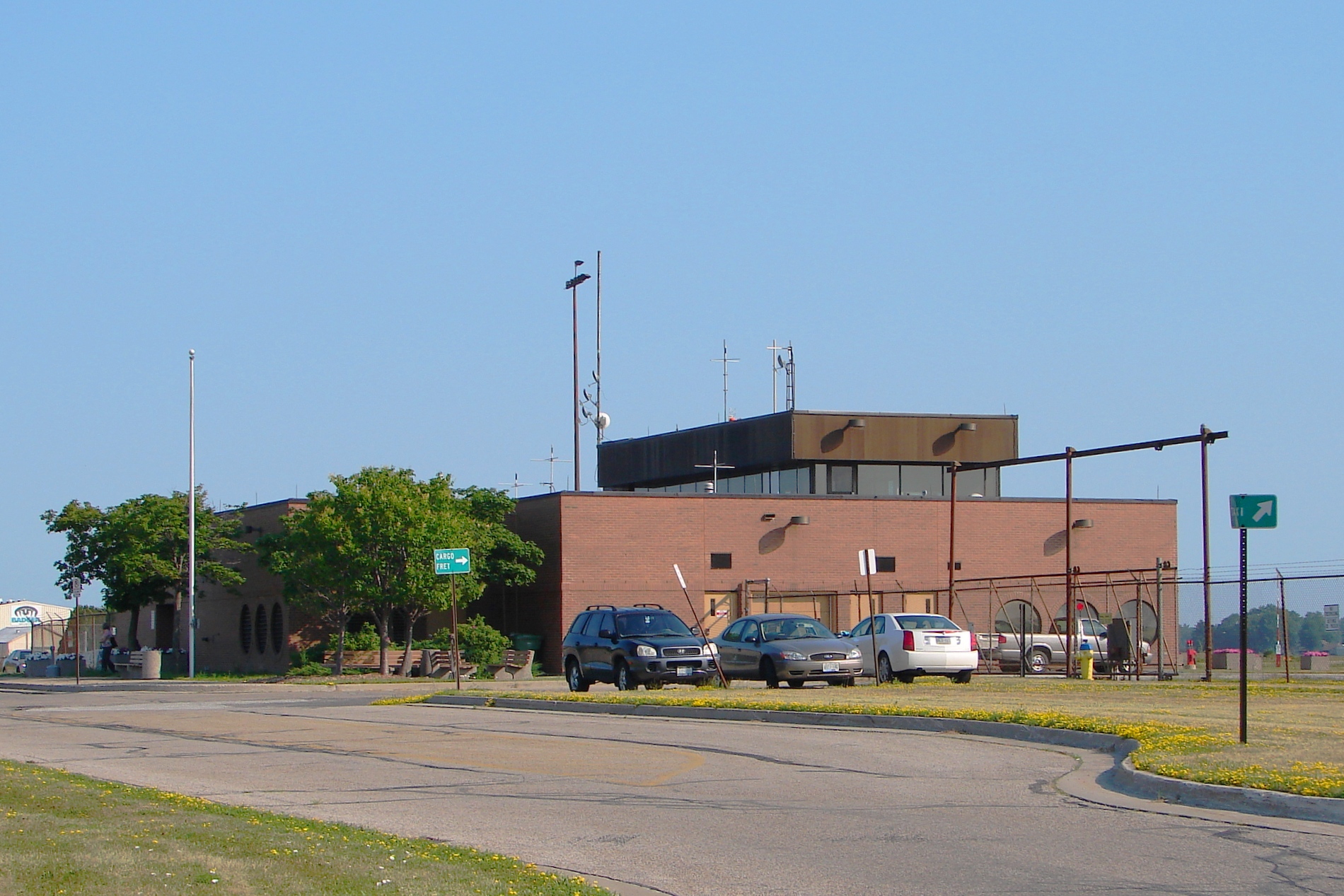
Sarnia city council is seeking ways to secure the future of Chris Hadfield Airport after the loss of commercial passenger service [1].
The loss of scheduled flights threatens the economic viability of the facility. Without a steady stream of commercial traffic, the city must determine if the airport remains a sustainable public asset or requires a new operational model [1].
Local officials and council members are evaluating various options to keep the airport operational [1]. These discussions follow the termination of scheduled commercial flights, which has left a void in the region's transportation infrastructure [2].
Astronaut Chris Hadfield, the airport's namesake, has urged the council to maintain a long-term perspective when deciding the facility's fate [2]. Hadfield said he recognizes the honor of having the airport named after him while acknowledging the current challenges.
"It makes me very self‑conscious, but at the same time I recognize the honour …" Hadfield said [2].
The city is exploring how to balance the immediate financial losses from the departure of commercial airlines with the strategic importance of maintaining aviation access in Sarnia [1]. This process involves analyzing the airport's role in the broader regional economy, and its potential for non-commercial use [2].
Council members are weighing whether to seek new private partnerships, or implement city-funded subsidies to ensure the runways remain open for general aviation and emergency services [1]. The goal is to prevent the facility from becoming a liability while preserving its utility for the community [2].
“The city is seeking ways to secure the future of Chris Hadfield Airport after the loss of commercial passenger service.”
The struggle to maintain the Chris Hadfield Airport reflects a broader challenge for small regional hubs that rely on limited commercial contracts. When these services vanish, municipalities must decide between absorbing the operational costs as a public service or pivoting the infrastructure toward general aviation and corporate use to avoid total closure.


