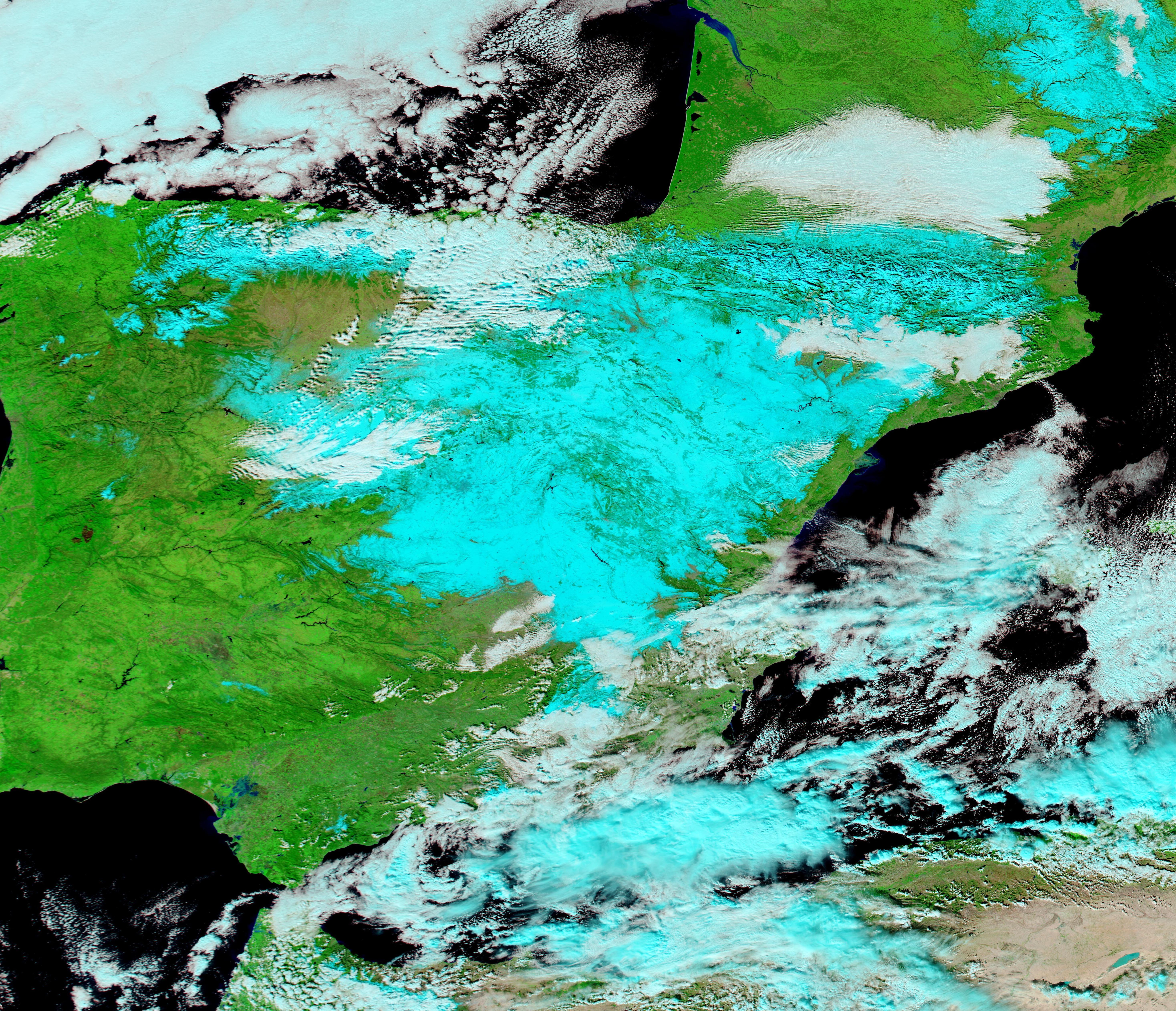
Major cities across Italy, France, and Spain are facing a heatwave with temperatures expected to exceed 40°C [1].
The extreme weather puts millions of residents at risk of heat-related illness and stresses urban infrastructure. Local governments have issued health warnings and red alerts to mitigate the impact of the soaring temperatures on public health.
Weather agencies said that a strong high-pressure system is driving the unusually high temperatures across southern Europe [5]. In Italy, forecasts indicate that several cities in the northern and central regions will reach 104°F [2]. These conditions have prompted authorities to advise citizens to limit outdoor activity and stay hydrated.
Spain is seeing similar extremes, with six cities placed on red alert [3]. The alerts signify the highest level of danger, as temperatures in these urban centers are forecast to hit 40°C [1]. Residents in these areas are being urged to follow emergency protocols to avoid heatstroke.
France is also experiencing the effects of the system, with parts of the country sweltering under the heat [1]. The regional weather patterns are creating a broad belt of extreme heat that stretches across the Mediterranean coast, and into the interior of the continent.
Beyond the immediate heat, the weather system is impacting energy stability. A major power outage hit the Balkan region as countries in that area also struggled through the early stages of the heatwave [4]. This outage highlights the vulnerability of electrical grids when cooling demands spike during extreme temperature events.
Authorities continue to monitor the situation as the heatwave persists through the weekend of June 21-23, 2024 [1]. The combination of high humidity and extreme heat in densely populated cities increases the risk of the "urban heat island" effect, where concrete and asphalt trap heat and prevent nighttime cooling.
“Six Spanish cities placed on red alert”
The synchronization of extreme heat across multiple European nations, coupled with power grid failures in the Balkans, underscores the increasing systemic risk posed by climate volatility. When high-pressure systems stall over Southern Europe, they create a compounding crisis where public health emergencies and infrastructure collapses occur simultaneously, necessitating a coordinated continental response to energy and health management.


