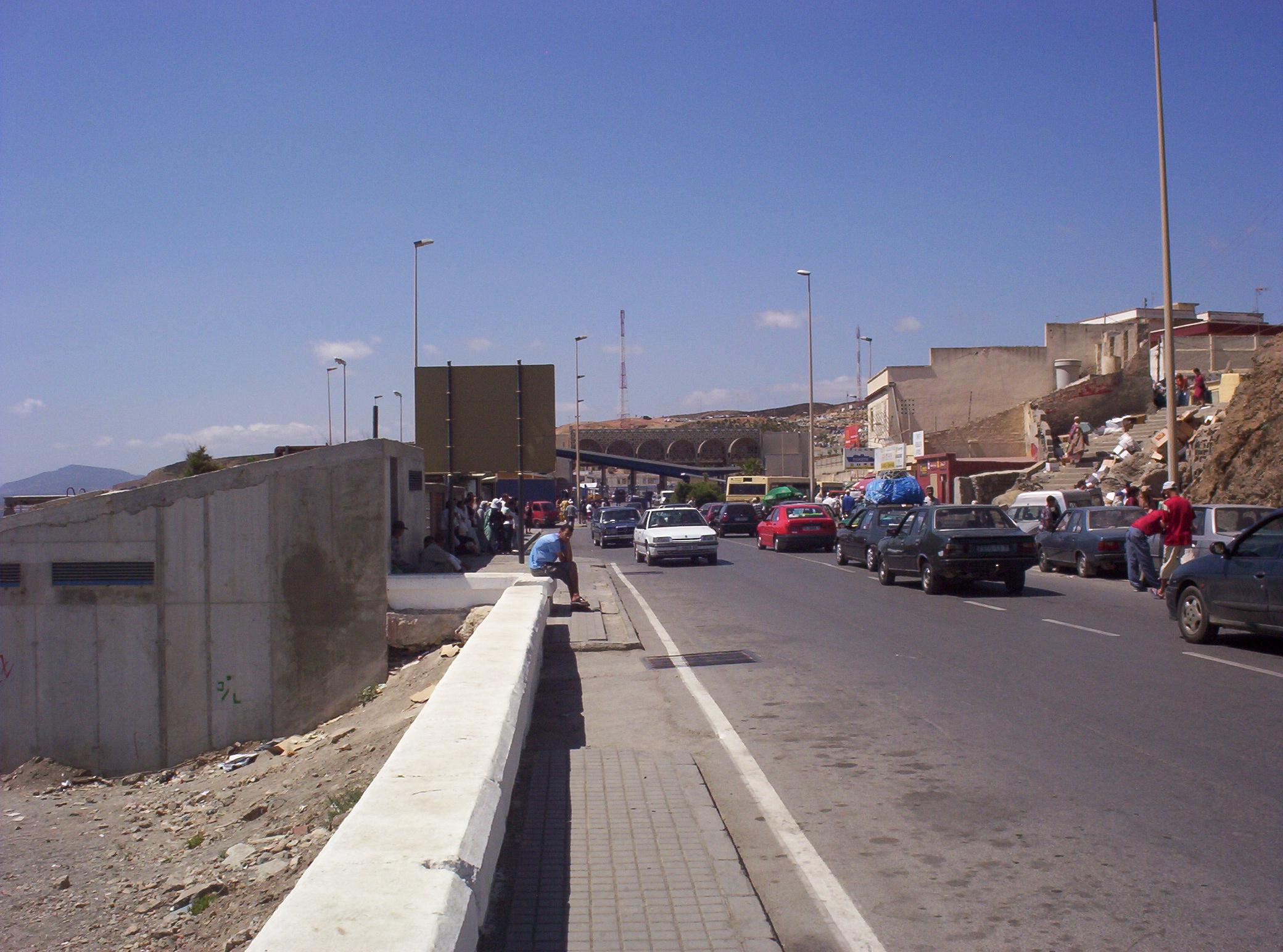
Spain has deployed military forces to the Ceuta enclave after thousands of migrants crossed the border from Morocco [1], [2].
The mobilization highlights the ongoing tension at the North African border and the humanitarian risks associated with irregular migration into the European Union.
Officials said the scale of the influx involved thousands of migrants [2]. Some reports indicate that tens of thousands of people have attempted to enter the enclave [1]. The crossings have not been without tragedy; 18 people were reported killed as thousands stormed the border [3].
Ceuta, a Spanish territory on the North African coast, remains a primary transit point for those seeking better opportunities in Europe. However, the arrival has not provided the relief many expected. Some migrants have begun returning to Morocco, citing hunger and hostility encountered within Ceuta [1], [2].
Spain's decision to mobilize troops aims to secure the border and manage the continued flow of people [2]. The deployment comes as migrants continue to swim across the border or attempt to breach fences to enter the territory [2].
There are conflicting reports regarding the severity of the situation. While some sources detail the deaths and the scale of the storming, other reports said that claims of a crisis at the border are unsubstantiated [2], [3].
“18 people were reported killed as thousands stormed the border.”
The situation in Ceuta underscores the volatility of the Spain-Morocco border and the desperation of migrants seeking entry into the EU. The deployment of military forces suggests that Spain views the influx not merely as a humanitarian issue but as a security challenge, while the return of migrants to Morocco indicates a lack of sufficient support infrastructure for those who successfully cross.