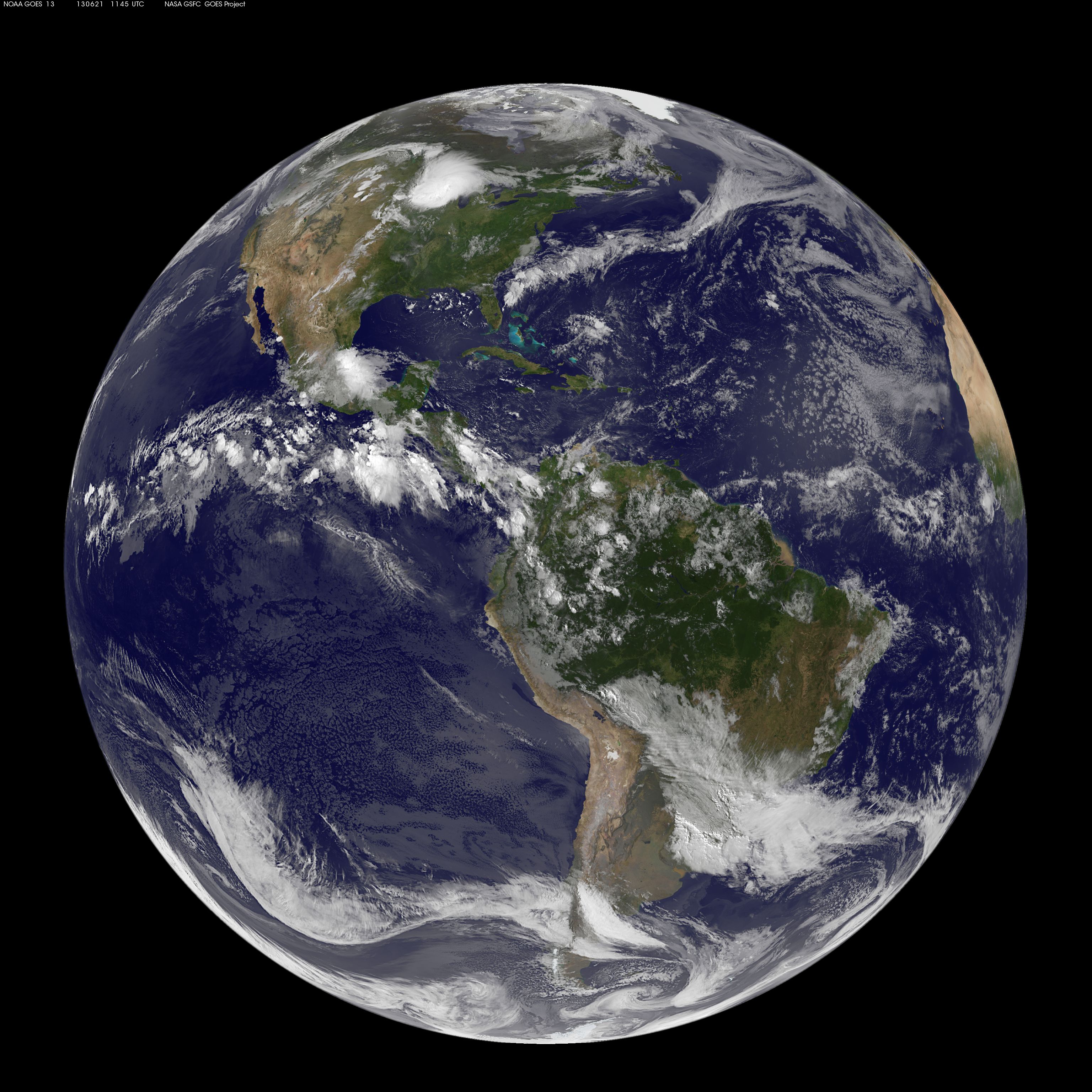
Astronomical summer officially began in the Northern Hemisphere on Sunday, June 21, 2026, at 4:24 a.m. local time [2].
This event marks the summer solstice, the point in the Earth's orbit when the Sun reaches its highest point in the sky. It is significant because it represents the longest period of daylight for the year, influencing agricultural cycles, and weather patterns across the globe.
The transition to summer occurs because the Sun aligns directly over the Tropic of Cancer [1]. This celestial alignment creates the maximum amount of sunlight for the Northern Hemisphere, while the Southern Hemisphere experiences the winter solstice and its shortest day of the year.
On June 21, 2026, the length of daylight reached 16 hours, 26 minutes, and 56 seconds [4]. This peak in solar exposure triggers a gradual decrease in daylight hours as the region moves toward the autumnal equinox.
Astronomers and meteorologists track these shifts to understand seasonal variations. While the astronomical start of summer is fixed by the Earth's tilt and orbit, the perceived weather often lags behind these celestial markers due to seasonal thermal inertia.
“Astronomical summer officially began in the Northern Hemisphere on Sunday, June 21, 2026.”
The summer solstice serves as a critical astronomical anchor that dictates the solar energy distribution for the Northern Hemisphere. By marking the maximum tilt of the Earth's axis toward the Sun, this event establishes the baseline for summer heat accumulation and daylight availability, which directly impacts energy consumption and biological rhythms.


