President Donald Trump warned that severe consequences would follow if Iran pursues a nuclear weapons program or fails to reopen the Strait of Hormuz [1].
These warnings signal a heightened state of tension between the U.S. and Iran, framing the prevention of nuclear proliferation and the maintenance of global shipping lanes as critical priorities for national security and regional stability [2].
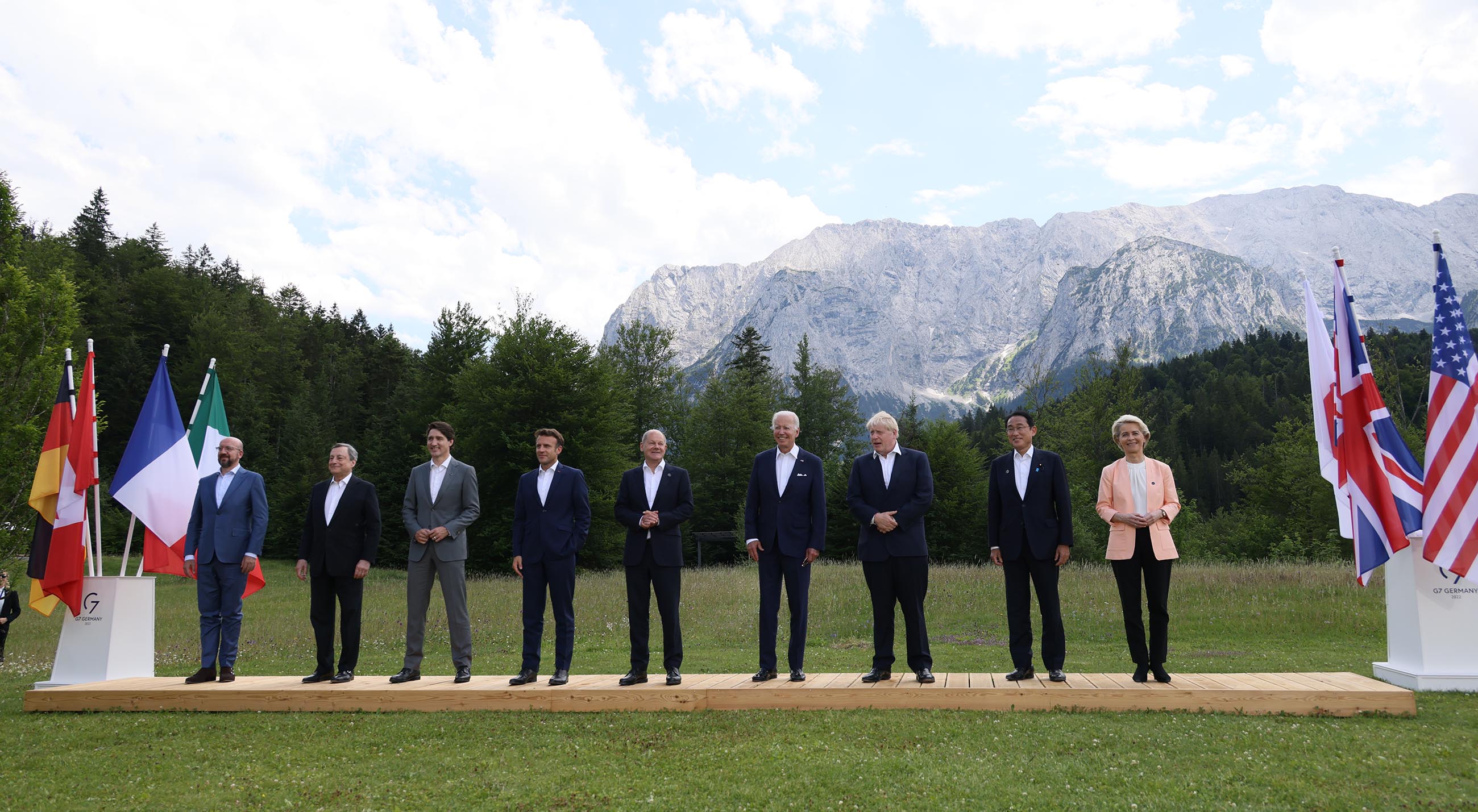
Speaking alongside Qatar’s Emir Sheikh Tamim bin Hamad Al Thani during the G7 summit in Evian-les-Bains, France, Trump said that all hell will rain down on Iran if it pursues a nuclear weapon [1]. The summit took place from June 13 to 15, 2024 [1].
Trump also referenced a previous ultimatum regarding the Strait of Hormuz. He said that he had given Iran a deadline of April 6, 2024, to open the waterway [3]. He said that Iran was given 48 hours to comply with that deadline, warning that all hell would rain down if they did not [3].
White House Press Secretary Karine Jean-Pierre reinforced this stance. She said there will be all hell to pay if Iran develops a nuclear weapon [2].
The rhetoric underscores a policy of maximum pressure designed to deter Tehran from achieving nuclear capabilities. By linking the nuclear issue with the accessibility of the Strait of Hormuz, the administration is treating both as non-negotiable security requirements [2, 3].
“"All hell will rain down on Iran if it pursues a nuclear weapon."”
The administration is utilizing aggressive public ultimatums to create a deterrent against Iranian nuclear advancement and maritime blockades. By issuing specific deadlines and threatening severe retaliation, the U.S. aims to signal that it views the closure of the Strait of Hormuz and the acquisition of nuclear arms as red lines that would trigger direct military or economic intervention.