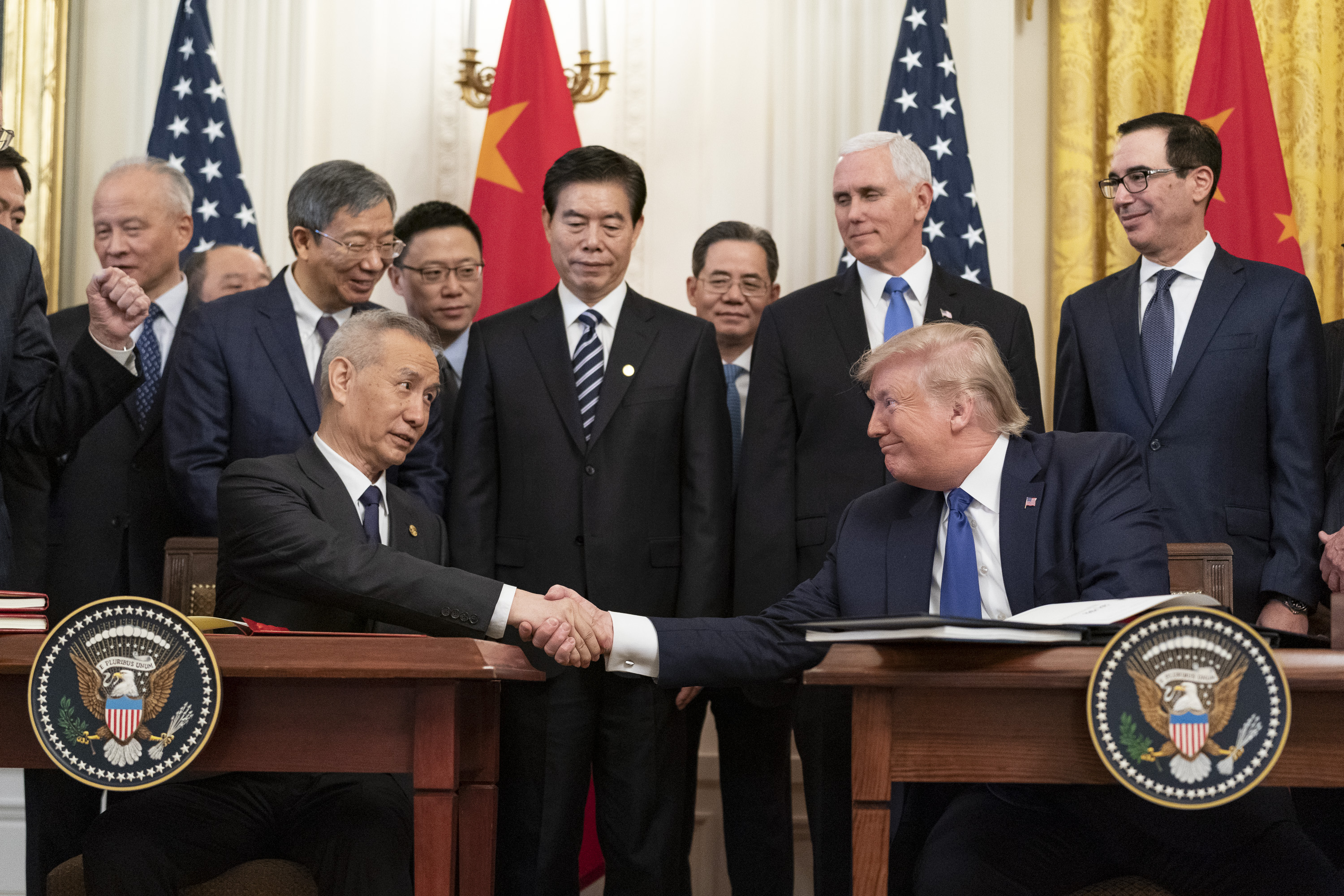
The United States and Iran reached a tentative agreement on June 15, 2026 [1], to end their conflict and lift the U.S. naval blockade.
This deal is critical because it restores commercial shipping through the Strait of Hormuz, a primary artery for global energy markets that has been disrupted by the ongoing war.
President Donald Trump (R-US) announced the breakthrough, saying, "The agreement with Iran is now complete" [1]. The terms include the removal of the naval blockade on Iranian ports and the reopening of the Strait of Hormuz. According to reports, the waterway is expected to fully reopen by Friday, June 22, 2026 [1].
Despite the announcement from Washington, the Iranian government has offered a different account. Esmaeil Baqaei, a spokesperson for the Iranian Foreign Ministry, said, "We have not signed any memorandum of understanding" [3]. This contradiction highlights the tentative nature of the current arrangement.
While the agreement addresses the immediate military conflict and shipping lanes, it does not include provisions regarding Iran's nuclear program [2]. The deal focuses primarily on reducing regional tensions and restoring trade flow.
Officials indicated that a formal signing ceremony is planned to take place in Switzerland [3]. JD Vance (R-US) said he will lead the U.S. delegation to Switzerland for the peace-deal signing [3].
The move comes as markets react to the potential stabilization of oil prices, which have been volatile due to the blockade and the risk of further escalation in the region [1, 2].
“"The agreement with Iran is now complete."”
The agreement represents a tactical de-escalation focused on economic stability rather than a comprehensive diplomatic resolution. By prioritizing the reopening of the Strait of Hormuz and lifting the naval blockade, both nations are addressing immediate global economic pressures. However, the exclusion of nuclear negotiations and the conflicting statements regarding the memorandum of understanding suggest that the peace remains fragile and limited in scope.