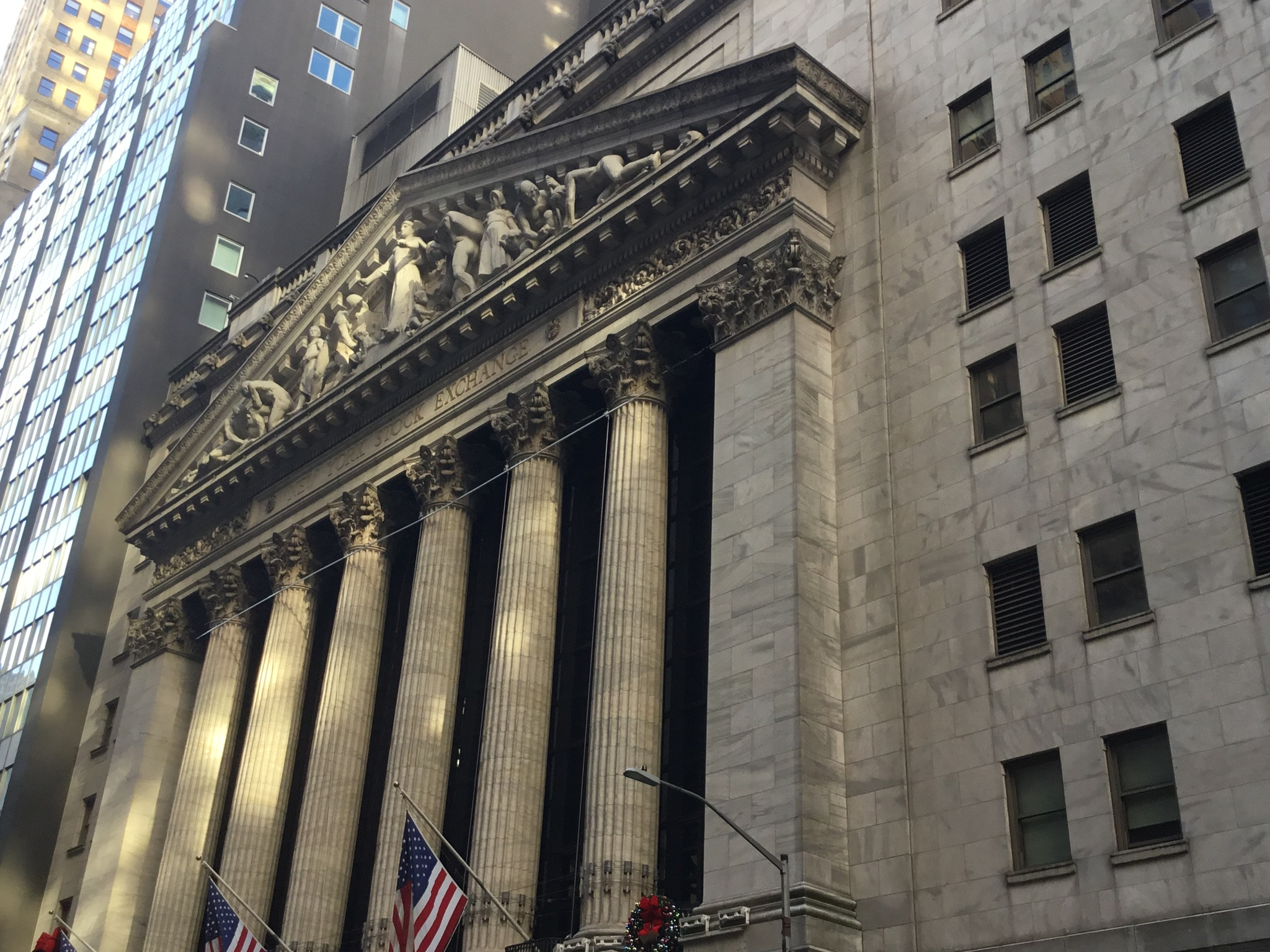
U.S. stock markets closed mixed on Friday, July 31, 2026, with the Dow Jones edging up while other major indexes fluctuated [1, 2].
This volatility reflects a tension between strong individual corporate performance and broader macroeconomic fears regarding inflation and rising energy costs. The divergent movement of the major indexes suggests investors are selectively rewarding growth in specific sectors while remaining cautious about the general economy.
Amazon.com, Inc. saw a significant surge in its share price following strong earnings reports [1, 3]. The rally for the e-commerce giant provided a boost to certain segments of the market, even as other tech giants like Apple saw declines [1, 3].
However, the broader market faced headwinds from the energy sector. Oil prices rose during the session, which heightened concerns over persistent inflation [1, 2]. This trend contributed to a mixed finish for the month of July, which analysts said was a wild period for investors [1, 3].
Treasury markets also signaled stress. The 10-year Treasury yield reached its highest level since January 2025 [2]. Higher yields often put pressure on equities, particularly high-growth tech stocks, by increasing the cost of borrowing and discounting future earnings.
Reports on the final performance of the S&P 500 for the day were conflicting. One report said the S&P 500 climbed 0.7% [1], while another indicated the index slipped along with the Nasdaq [2]. The Dow Jones, however, remained relatively stable, edging slightly higher to close the month [1, 2].
“Amazon’s share price surged while oil prices rose.”
The divergence between Amazon's growth and the rise in Treasury yields indicates a market split. Investors are pivoting toward companies with proven earnings resilience while fearing that rising oil prices will force the Federal Reserve to keep interest rates higher for longer to combat inflation.