U.S. stock indexes closed higher on Thursday, July 30, 2026, following a day of volatile trading across major equity markets [1, 2].
The movement reflects a tug-of-war between individual corporate performance and broader macroeconomic trends. While the overall market trended upward, the diverging results from two of the world's largest companies, Apple and Amazon, highlighted varying levels of consumer demand and operational strength.
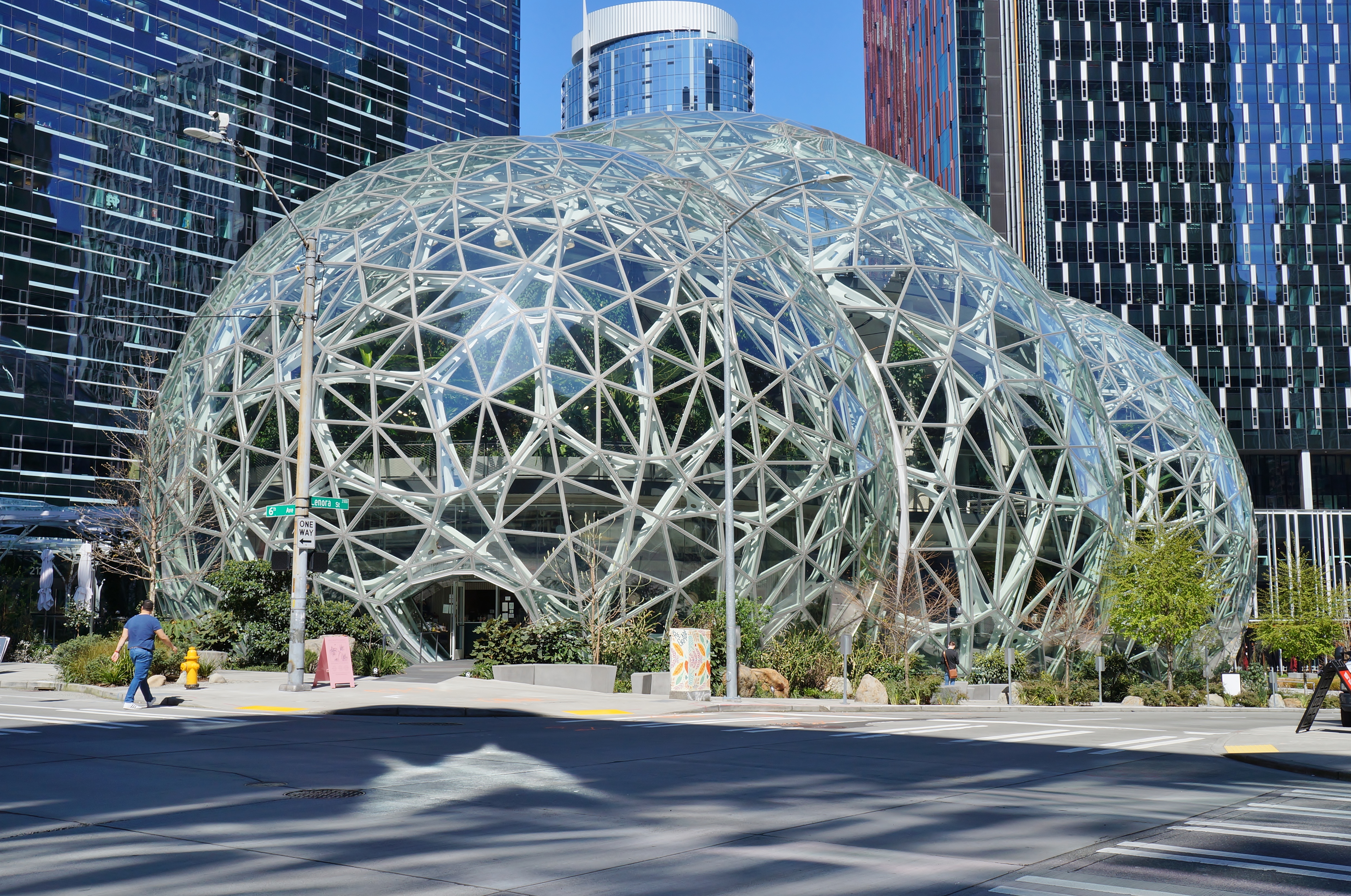
Amazon reported blowout earnings results during the session [2]. The strength of these results contributed to a positive atmosphere for the broader market, offsetting early morning concerns where some indicators suggested a potential sell-off [1, 2].
In contrast, Apple shares fell in after-hours trading following the company's report [2]. The dip suggests investor dissatisfaction with specific metrics or future guidance provided by the tech giant, creating a contrast with the success seen at Amazon.
Market participants also reacted to a steady-interest-rate backdrop from the Federal Reserve [1]. This stability provided a foundation for the rally, as investors typically favor a predictable interest rate environment when valuing growth stocks.
Despite the after-hours weakness in Apple, the major indexes ended the day higher [1]. The day's activity underscores the influence of the "Magnificent Seven" and other mega-cap tech stocks on the direction of the NYSE and NASDAQ.
“Major indexes ended higher at the close of the day.”
The divergence between Amazon's strength and Apple's after-hours decline suggests that investors are no longer treating big tech as a monolithic block. Instead, the market is increasingly rewarding specific operational efficiency and earnings growth over general brand loyalty, all while remaining sensitive to the Federal Reserve's interest rate trajectory.


