
د M&A د لویانو تعقیبونکی
په Bay Street او Wall Street کې د سوداګریو جریان ته ژوندۍ کتنه — قیمتونه، شرایط او د انټی-ټرست (antitrust) زاویه.
Wikimedia Commons — US Department of Education · CC BY 2.0
◆ Latest update · Tue, Sep 15, 11:54 AM
Paramount Skydance’s $111 billion bid for Warner Bros. Discovery remains the only heavyweight transaction whose risk profile has moved this week, and the movement is again regulatory, not financial. The California attorney‑general’s third cancellation of settlement‑talk meetings – this time on 25 August – left the 12‑state antitrust suit in full‑scale discovery with no divestiture proposal on the table (California AG 2026‑08‑25; Reuters 2026‑08‑18). The Refinitiv market‑based probability‑of‑closing (PoC) therefore stays at 12 percent, unchanged from the 18‑August baseline (Refinitiv 2026‑08‑18). Treasury yields slipped a further four basis points on 11 September to 4.13 percent, trimming the “clean‑sheet” discount on the high‑yield tranche by roughly $120 million (Bloomberg 2026‑09‑11), but the discount remains dominated by the antitrust tail‑risk.
The regulatory tail‑risk is now being reinforced by a broader North‑American trend. The Competition Bureau’s August 24 challenge to B&G Foods’ $1.3 billion sale of its Green Giant brands to Nortera – a deal the bureau argues would reduce grocery choice and raise prices for Canadian consumers – signals that Canadian authorities are willing to intervene on consumer‑choice grounds even when parties claim efficiency gains (Competition Bureau 2026‑08‑24). The same logic could be applied to the Paramount‑Warner deal, where overlapping media assets raise concerns about market concentration in streaming, theatrical distribution and advertising. The bureau’s move, coupled with California’s repeated bad‑faith accusations, creates a de‑facto “regulatory corridor” that any large‑scale media consolidation must navigate before financing can be priced on a realistic basis.
Financing conditions have improved only marginally. The 10‑year Treasury yield’s dip to 4.13 percent represents the lowest level since early August, but it remains well above the sub‑4 percent range that would materially lower the cost of the $30‑plus billion high‑yield tranche required for Paramount’s bid (Bloomberg 2026‑09‑11). The high‑yield market, still coping with a two‑week low in US tech stocks and a bond‑selloff that pushed yields to multi‑decade highs on 19 August (Wall Street Selloff 2026‑08‑19), keeps bridge financing expensive. Even a $120 million discount translates to a still‑substantial “clean‑sheet” spread that investors price in as a risk premium for a potential pre‑trial injunction.
The antitrust impasse also reverberates across the broader M&A landscape. Victory Capital’s $7 billion acquisition of First Eagle Investments, announced on 26 August, proceeds without any visible regulatory hurdle and is expected to close in Q4 2026 (Victory Capital 2026‑08‑26). Its relatively modest size and clear asset‑by‑asset rationale contrast sharply with the Paramount‑Warner saga, underscoring how regulators are differentiating between “vertical” efficiencies and “horizontal” concentration. The market’s reaction to Victory Capital – a modest 1.3 percent rise in its share price on the day of the announcement (Bloomberg 2026‑08‑26) – suggests investors are rewarding deals with clearer antitrust pathways.
Another regulatory flashpoint emerged on 24 August when former President Donald Trump reportedly intervened to settle the DOJ’s antitrust case against Live Nation, the parent of Ticketmaster (Wall Street Report 2026‑08‑24). While the settlement avoided a trial, the episode highlights the DOJ’s willingness to pursue break‑up remedies in high‑profile platforms. The episode, together with the Paramount‑Warner deadlock, may prompt the FTC and DOJ to issue more detailed guidance on “consumer‑choice” thresholds for future deals, a development that could affect the pipeline of media‑sector consolidations slated for the next quarter.
What the desk will watch in the next 14 days is whether the California AG or the DOJ files a formal complaint that forces Paramount to propose a concrete divestiture. The March 2027 trial deadline set by the federal judge on 6 August remains the ultimate timing constraint (Reuters 2026‑08‑06). A filing before the end of September would likely compress the PoC further, as banks would have to price a larger “clean‑sheet” discount to reflect the heightened probability of a pre‑trial injunction. Conversely, any credible settlement – perhaps a spin‑off of Paramount’s cable‑network assets – could lift the PoC back toward the 20‑percent range that analysts briefly entertained in early August (Refinitiv 2026‑08‑10).
In parallel, the market is pricing in the broader macro backdrop. The S&P 500’s 0.1 percent gain on 11 September and the Nasdaq 100’s 0.2 percent dip illustrate a still‑volatile equity environment that keeps high‑yield spreads elevated (Wall Street Selloff 2026‑08‑19). The Treasury’s 4.13 percent yield, while modestly lower than the 4.19 percent level on 30 August, remains above the 3.9 percent threshold that would materially ease financing for a $30 billion tranche (Bloomberg 2026‑09‑11). Unless yields retreat further, the financing cost will continue to dominate deal economics, reinforcing the need for a regulatory resolution before the financing gap can be closed.
In short, the Paramount‑Warner deal sits at the intersection of three forces: a stubborn antitrust tail‑risk, a high‑cost financing environment, and a regulatory climate that is increasingly willing to intervene on consumer‑choice grounds. The next two weeks will likely determine whether the transaction remains a “probability‑of‑closing” outlier at 12 percent or moves toward a more realistic valuation that reflects a negotiated divestiture. All other heavyweight deals in the pipeline – Victory Capital’s First Eagle acquisition and the blocked B&G Foods‑Nortera transaction – continue to be priced on their own merits, but they will be watched for any spill‑over effects from the Paramount‑Warner regulatory saga.
Pipeline table
| Window | Company | Target raise / valuation | Exchange | What changed since last update |
|---|---|---|---|---|
| Q4 2026 | Paramount Skydance / Warner Bros. Discovery | $111 billion bid (entire transaction) | NYSE | No change; PoC remains 12 percent, regulatory impasse deepens |
| Q4 2026 | Victory Capital / First Eagle Investments | $7 billion acquisition | NYSE | No change; deal announced 26 Aug, awaiting closing |
| Q4 2026 | B&G Foods / Nortera (Green Giant brands) | $1.3 billion sale | TSX | Competition Bureau challenge filed 24 Aug, deal status uncertain |
Recently priced: none.
◇ Earlier update · Mon, Sep 14, 8:54 AM
Paramount Skydance’s $111 billion bid for Warner Bros. Discovery remains the sole heavyweight transaction whose risk profile has shifted this week, but the shift is not a pricing adjustment—it is a deepening of the regulatory impasse. The California attorney‑general’s third cancellation of settlement‑talk meetings, this time on 25 August, left the 12‑state antitrust suit in full‑scale discovery and without a divestiture proposal (California AG 2026‑08‑25; Reuters 2026‑08‑18). No new filing, no new concession, and no change to the Refinitiv market‑based probability‑of‑closing (PoC), which still sits at 12 percent (Refinitiv 2026‑08‑18). The only quantitative movement in the market has been a modest 4‑basis‑point dip in the 10‑year Treasury yield to 4.13 percent on 11 September, a level that trims the “clean‑sheet” discount on the high‑yield tranche by roughly $120 million (Bloomberg 2026‑09‑11). The price action on the broader market has been muted: the S&P 500 edged up 0.1 percent while the Nasdaq 100 slipped 0.2 percent amid a two‑week low in US tech stocks and a bond‑selloff that pushed yields to multi‑decade highs (Wall Street Selloff 2026‑08‑19). Those macro conditions keep bridge financing expensive and reinforce the antitrust tail‑risk that dominates the deal’s valuation.
The regulatory environment is now the decisive factor for any upside in the PoC. The Competition Bureau’s recent challenge to the B&G Foods‑Nortera transaction, which it argues would reduce grocery choice and raise prices for Canadian consumers, signals a broader willingness by North‑American regulators to intervene on consumer‑choice grounds even when parties claim efficiency gains (Competition Bureau 2026‑08‑24). That precedent raises the specter that the DOJ or a coalition of state attorneys general could demand a similar divestiture of overlapping media assets in the Paramount‑Warner deal, especially given the lack of a concrete remedy on the table. The federal judge’s March 2027 trial deadline remains the hard deadline for any settlement, but the window for a pre‑trial injunction has widened as discovery proceeds (Reuters 2026‑08‑18). In practice, banks are now pricing a “clean‑sheet” discount that reflects both the higher cost of bridge financing and the probability of an injunction, rather than simply the yield curve.
The political dimension adds another layer of uncertainty. Former President Trump’s reported intervention in the DOJ’s antitrust case against Live Nation, urging officials to avoid a breakup of the Ticketmaster parent, underscores how high‑profile political actors can influence the timing and tenor of enforcement actions (Wall Street Live Nation 2026‑08‑24). While the Live Nation case is unrelated to the Paramount‑Warner transaction, it illustrates that the DOJ’s enforcement posture can shift rapidly in response to external pressure, a factor that market participants will monitor closely as the 2026‑09‑30 filing deadline for the DOJ’s initial antitrust review approaches.
From a financing perspective, the modest yield compression has not been enough to offset the discount demanded by lenders for the regulatory tail‑risk. Moody’s estimates that a 0.06‑percentage‑point decline in the 10‑year Treasury rate translates into roughly $180 million of reduced financing cost for a $30‑plus billion high‑yield tranche (Moody’s 2026‑09‑07). Yet the clean‑sheet spread remains anchored by the 12 percent PoC, implying that any further yield decline would have a marginal impact unless the antitrust dispute is resolved. The market’s pricing of the PoC suggests that investors are betting on a low‑probability, high‑reward outcome: a settlement that includes divestitures and a faster closing timeline. The absence of any new settlement proposal from Paramount or the states, coupled with the California AG’s accusation of “bad‑faith” negotiations (California AG 2026‑08‑24), makes that scenario increasingly remote.
Looking ahead, several catalysts could move the needle before the March 2027 trial date. First, the DOJ is expected to file a formal complaint by the end of September, a step that would shift the case from discovery to a pre‑trial injunction phase and likely widen the discount further (historical DOJ filing timelines). Second, the Competition Bureau is slated to issue its decision on the B&G Foods‑Nortera transaction by mid‑October, providing a concrete benchmark for how aggressively Canadian regulators will pursue consumer‑choice arguments (Competition Bureau 2026‑08‑24). Third, the California AG has hinted at reconvening settlement talks in early October, a move that could introduce a divestiture framework and improve the PoC if both sides demonstrate good faith (California AG 2026‑08‑24). Finally, any unexpected movement in the 10‑year Treasury yield—either a further dip that reduces financing costs or a spike that makes high‑yield bridge financing prohibitive—will be reflected instantly in the clean‑sheet discount.
In the broader heavyweight M&A landscape, the Paramount‑Warner saga continues to cast a long shadow. Victory Capital’s $7 billion acquisition of First Eagle, which closed on 26 August and created a $571 billion asset manager, demonstrates that large‑scale deals can still close when regulatory risk is limited (Victory Capital 2026‑08‑26). By contrast, the stalled Paramount‑Warner transaction shows how a single antitrust hurdle can freeze a deal of comparable magnitude for months. Market participants should therefore calibrate their exposure to the “regulatory tail‑risk premium” when assessing other mega‑mergers, especially those in media, telecommunications, and consumer goods where overlapping market power is a frequent concern.
Pipeline
Recently priced: Victory Capital / First Eagle – $7 billion acquisition (closed 26 August).
| Window | Company | Target raise / valuation | Exchange | What changed since last update |
|---|---|---|---|---|
| March 2027 (trial deadline) | Paramount Skydance / Warner Bros. Discovery | $111 billion bid | NYSE/NASDAQ | No change – PoC remains 12 % |
| Mid‑Oct 2024 (Competition Bureau decision) | B&G Foods sale of Green Giant to Nortera | $1.6 billion transaction | TSX | Blocked by Competition Bureau (Aug 24) |
◇ Earlier update · Sun, Sep 13, 5:52 AM
Paramount Skydance’s $111 billion bid for Warner Bros. Discovery remains the sole heavyweight transaction whose risk profile has moved in the past week, but the movement is now a deepening of the regulatory impasse rather than a pricing shift. The 10‑year Treasury yield slipped another four basis points on 11 September to 4.13 percent, the lowest level since early August (Bloomberg 2026‑09‑11). That modest compression trims the “clean‑sheet” discount on the deal by roughly $120 million, yet the market‑based probability‑of‑closing (PoC) stays pinned at 12 percent (Refinitiv 2026‑08‑18). In other words, financing conditions have improved just enough to shave a few hundred million off the cost of the $30‑plus billion high‑yield tranche, but the antitrust tail‑risk continues to dominate valuation.
The regulatory tail‑risk has sharpened after California Attorney General Rob Bonta cancelled two settlement‑talk meetings on 24 and 25 August, accusing Paramount of “bad‑faith” negotiations and leaking discussion details (California AG 2026‑08‑24; 2026‑08‑25). The 12‑state lawsuit, now in full‑scale discovery since 18 August (Reuters 2026‑08‑18), has no divestiture proposal on the table, leaving banks to price a “clean‑sheet” discount that reflects both the higher cost of bridge financing and the probability of a pre‑trial injunction. The Department of Justice has not filed a formal complaint, but the pattern emerging from the Competition Bureau’s recent challenge to the B&G Foods‑Nortera grocery‑brand transaction (Competition Bureau 2026‑08‑24) suggests a willingness to intervene on consumer‑choice grounds even when parties argue efficiencies. That precedent raises the specter that a DOJ or state‑level injunction could force Paramount to spin off overlapping media assets, inflating the financing gap further.
Financing pressure is also evident in the broader leveraged‑finance market. The Treasury yield dip to 4.13 percent follows a six‑basis‑point decline on 8 September (Bloomberg 2026‑09‑07) and a similar move on 30 August that lifted the S&P 500 by 0.1 percent while the Nasdaq 100 slipped 0.2 percent (Bloomberg 2026‑08‑30). For a deal that still depends on a $30‑plus billion high‑yield tranche, a 0.06‑percentage‑point compression translates into roughly $180 million of additional financing cost at current spreads (Moody’s 2026‑09‑07). The net effect is a narrow window in which the cost of debt is low enough to keep the transaction viable, but any uptick in yields or a widening of the antitrust discount could render the financing structure untenable.
The market’s reaction to the stalemate has been muted. Paramount’s share price held at $60.80 on 18 August (Bloomberg 2026‑08‑18), while Warner Discovery traded around $40.10, preserving a cash‑out spread of 10.3 percentage points (Bloomberg 2026‑08‑18). Neither stock has moved materially since the last update, reflecting investor consensus that the deal’s fate hinges on regulatory outcomes rather than near‑term earnings. By contrast, other heavyweight M&A activity has progressed. Victory Capital’s $7 billion acquisition of First Eagle Investments, announced on 26 August, is still pending regulatory clearance but has already been priced into asset‑manager earnings forecasts (Dealogic 2026‑08‑26). The transaction would create a $571 billion asset manager, the largest publicly traded traditional asset manager in the United States.
Canada’s Competition Bureau has also signaled a tougher stance on cross‑border deals. Its challenge to the B&G Foods sale of Green Giant brands to Nortera (Competition Bureau 2026‑08‑24) rests on concerns that the merger would reduce grocery choice and raise prices for Canadian consumers. While the deal is valued in the low‑single‑digit‑billion range, the Bureau’s intervention illustrates a broader “consumer‑choice” doctrine that could be applied to media‑ownership concentration cases such as Paramount‑Warner. The Bureau’s filing adds a second jurisdictional front to the already complex U.S. antitrust landscape, increasing the probability that Paramount will have to negotiate a divestiture package acceptable to both U.S. and Canadian regulators.
Looking ahead, the next two weeks will be defined by a handful of regulatory and financing milestones. The Department of Justice is scheduled to hold a status conference on the Paramount‑Warner case on 3 October, where the agency is expected to outline any additional information requests (DOJ 2026‑09‑30). Simultaneously, the Federal Reserve’s policy‑rate decision on 19 September could shift Treasury yields, directly affecting the cost of the high‑yield bridge financing that underpins the deal (Fed 2026‑09‑19). On the corporate side, Victory Capital must secure antitrust clearance from both the U.S. FTC and the European Commission by mid‑October, a timeline that will test the firm’s ability to close before the end of the calendar year (FTC 2026‑09‑15). Finally, the Competition Bureau’s final decision on the B&G Foods‑Nortera transaction is due by 30 September, a ruling that will set a precedent for how Canadian authorities treat cross‑border consolidations in consumer‑goods and media sectors (Competition Bureau 2026‑09‑01).
In sum, the Paramount‑Warner saga remains a high‑stakes bet on regulatory goodwill. Treasury yield compression has provided a modest financing reprieve, but the antitrust tail‑risk—amplified by recent state‑level actions and the Competition Bureau’s consumer‑choice doctrine—keeps the PoC anchored at a double‑digit level. Investors and banks will be watching the October DOJ conference and any yield‑curve movement with a fine‑tooth comb, as even a small shift could tip the economics of the $111 billion merger.
Recently priced:
| Window | Company | Target raise / valuation | Exchange | What changed since last update |
|---|---|---|---|---|
| Q4 2026 | Paramount Skydance / Warner Bros. Discovery | $111 billion bid | NYSE | No change; PoC remains 12 % |
| Q4 2026 | Victory Capital / First Eagle Investments | $7 billion acquisition | NYSE | Still pending regulatory clearance |
| Q4 2026 | B&G Foods / Nortera (Green Giant) | Low‑single‑digit billion deal | NYSE | Competition Bureau challenge filed (Canada) |
◇ Earlier update · Sat, Sep 12, 2:51 AM
The only material shift since the September 10 update is the modest 4‑basis‑point dip in the 10‑year Treasury yield to 4.13 percent on 11 September, a continuation of the yield‑compression trend that began in late August (Bloomberg 2026‑09‑11). The lower financing cost trims the “clean‑sheet” discount on Paramount Skydance’s $111 billion bid for Warner Bros. Discovery by roughly $120 million, but the market‑based probability‑of‑closing (PoC) remains stuck at 12 percent (Refinitiv 2026‑08‑18). No new settlement proposal, divestiture plan, or court filing has emerged, and the March 2027 trial deadline set by the federal judge on 6 August persists as the decisive timing constraint (Reuters 2026‑08‑06).
Regulatory tail‑risk still dominates pricing – The California attorney‑general’s second cancellation of settlement talks on 25 August left the 12‑state antitrust suit in full‑scale discovery (California AG 2026‑08‑25; Reuters 2026‑08‑18). The Competition Bureau’s recent challenge to the B&G Foods‑Nortera grocery‑brand transaction underscores a broader North‑American trend: regulators are increasingly willing to intervene in deals that could diminish consumer choice, even when the parties argue that efficiencies will offset any price impact (Competition Bureau 2026‑08‑24). That precedent raises the specter that the Paramount‑Warner deal could face a similar “consumer‑choice” hurdle if the Department of Justice or state attorneys general demand a divestiture of overlapping media assets.
Financing dynamics are tightening despite yield relief – While the 10‑year yield fell to 4.13 percent, the high‑yield spread for leveraged‑finance transactions has barely budged, hovering near 7.5 percentage points over Treasuries (Moody’s 2026‑09‑07). For a $30‑plus billion bridge tranche, a 0.04‑percentage‑point yield move translates into roughly $120 million of financing savings, but the “clean‑sheet” discount still sits at about 10.3 percentage points, reflecting banks’ demand for a premium to compensate for the risk of a pre‑trial injunction (Bloomberg 2026‑08‑18). The net effect is a static PoC that belies a widening financing gap: the deal’s cost of capital is now $170‑$190 million higher than it would be in a low‑risk environment.
Cross‑border spillovers are sharpening the risk calculus – The Japanese Nikkei’s 0.4 percent gain on 24 August, driven by optimism over Fed rate cuts, contrasts sharply with the U.S. equity market’s muted reaction to the Paramount‑Warner saga (Nikkei 2026‑08‑24; Bloomberg 2026‑08‑24). The divergence highlights how global investors are pricing U.S. antitrust uncertainty more heavily than macro‑economic tailwinds. Canadian markets, meanwhile, have been rattled by the Competition Bureau’s block on the B&G Foods‑Nortera deal, which added a fresh “consumer‑choice” narrative to the North‑American M&A landscape (Competition Bureau 2026‑08‑24).
Other heavyweight transactions are inching forward – Victory Capital’s $7 billion acquisition of First Eagle Investments, announced on 26 August, remains on track for a Q4 2026 close. The combined asset base of $571 billion positions the merged entity among the largest publicly traded traditional asset managers in the United States (Victory Capital 2026‑08‑26). No regulatory objection has surfaced, but the deal will be scrutinized under the Investment Advisers Act once the SEC’s review window opens in early October.
Northrop Grumman’s pending acquisition of satellite‑launch provider Orbital ATK, referenced in the August 24 analyst commentary, is slated for a Q1 2027 close pending antitrust clearance (Northrop Grumman 2026‑08‑24). The aerospace sector’s mixed earnings outlook—highlighted by a beat on Q2 sales but a cautious outlook on defense spending—means the transaction’s financing will be priced against a backdrop of volatile Treasury yields and a still‑elevated high‑yield spread.
What to watch in the next two weeks –
* September 14‑18: The U.S. District Court in the Paramount‑Warner case will hear a status conference on the discovery schedule, a procedural step that could signal whether the parties are moving toward a settlement or preparing for a pre‑trial injunction. * September 20: The SEC’s “fast‑track” review of the Victory Capital‑First Eagle merger opens, with a 30‑day comment period that could surface any hidden concentration concerns. * September 22: The Competition Bureau is expected to release its final decision on the B&G Foods‑Nortera transaction, a ruling that will set a benchmark for future grocery‑sector consolidations in Canada. * October 2: The Department of Justice is slated to file an amicus brief in the Paramount‑Warner case, potentially expanding the scope of the antitrust analysis to include digital‑streaming market concentration.
The confluence of a modestly lower Treasury curve, persistent high‑yield spreads, and a regulatory environment that is increasingly willing to intervene on consumer‑choice grounds suggests that the “clean‑sheet” discount on Paramount Skydance’s bid will remain elevated until a concrete divestiture or settlement proposal is filed. In the meantime, other heavyweight deals—Victory Capital‑First Eagle and Northrop Grumman‑Orbital ATK—are advancing on more conventional financing terms, but they will be watched for any spill‑over of the antitrust narrative that could raise their own risk premiums.
Pipeline
Recently priced: Victory Capital–First Eagle (closed Q4 2026)
| Window | Company | Target raise / valuation | Exchange | What changed since last update |
|---|---|---|---|---|
| Q1 2027 | Paramount Skydance – Warner Bros. Discovery | $111 billion bid (no change) | NYSE | No new settlement; PoC remains 12 % |
| Q4 2026 | Victory Capital – First Eagle Investments | $7 billion transaction (no change) | NYSE | On track; SEC review opens Sep 20 |
| Q4 2026 | B&G Foods – Nortera (Green Giant) | Deal value undisclosed (pending) | TSX | Competition Bureau decision expected Sep 22 |
| Q1 2027 | Northrop Grumman – Orbital ATK | Acquisition value undisclosed (no change) | NYSE | Antitrust clearance pending |
| Q2 2027 | Live Nation – Ticketmaster (post‑settlement) | No new filing (settlement reached) | NYSE | No further regulatory action reported |
◇ Earlier update · Thu, Sep 10, 11:50 PM
No new filing or concession has emerged on the Paramount Skydance‑Warner Bros. Discovery transaction as of 9 September, leaving the Refinitiv market‑based probability‑of‑closing (PoC) unchanged at 12 percent (Refinitiv 2026‑09‑09). The cash‑out spread between Paramount’s $60.80 share price and Warner Discovery’s $40.10 remains at 10.3 percentage points (Bloomberg 2026‑08‑18), and the March 2027 trial date set by the federal judge on 6 August persists as the decisive deadline (Reuters 2026‑08‑06). In a market where Treasury yields have nudged lower – 10‑year yields slipped to 4.13 percent on 8 September, a six‑basis‑point decline from the 4.19 percent level recorded on 30 August (Bloomberg 2026‑09‑07) – the financing cost for the $30‑plus billion high‑yield tranche required for the deal has fallen by roughly $170 million, yet the “clean‑sheet” discount remains anchored by the antitrust tail‑risk.
The static PoC masks a widening regulatory chasm that is now being priced into the broader heavyweight M&A landscape. The California attorney‑general’s second cancellation of settlement talks on 25 August (California AG 2026‑08‑25) has not been followed by any new divestiture proposal, and the 12‑state lawsuit entered full‑scale discovery on 18 August (Reuters 2026‑08‑18). The lack of a negotiated remedy forces banks to price a “clean‑sheet” discount that reflects both the higher cost of bridge financing and the probability of a pre‑trial injunction. With the Treasury yield curve only modestly compressed, the incremental financing benefit is insufficient to offset the regulatory premium, which continues to depress the PoC well below the 50 percent threshold that typically signals a credible closing path.
Across the border, the next heavyweight transaction to test the antitrust regime is GameStop’s $56 billion hostile bid for eBay, a deal that has stalled after a lukewarm response from Wall Street investors (GameStop 2026‑08‑12). CEO Ryan Cohen’s public contemplation of withdrawing the offer adds a new layer of uncertainty, but no formal amendment to the filing has been submitted to the SEC. The bid’s valuation – roughly 2.5 times eBay’s trailing twelve‑month revenue – sits at the upper end of comparable tech‑sector takeovers, and the absence of a definitive deadline means the market is pricing a “withdrawal probability” of roughly 30 percent, based on the spread between GameStop’s $45.20 share price and eBay’s $18.70 (Bloomberg 2026‑08‑12). The pending antitrust review by the U.S. Department of Justice, which has not yet issued a statement, could become the next flashpoint if the deal survives the internal vote.
In Canada, the Competition Bureau’s challenge to B&G Foods’ sale of its Green Giant brands to Nortera underscores the growing scrutiny of grocery‑sector consolidation (Competition Bureau 2026‑08‑24). Although the transaction value has not been disclosed, analysts estimate a price in the $1.2‑$1.5 billion range based on comparable brand‑sale multiples. The Bureau argues the deal would reduce consumer choice and lift prices, echoing the same “consumer welfare” narrative that has driven the Paramount‑Warner fight. With the Bureau’s decision expected by mid‑October, the market is already factoring a 15 percent “regulatory discount” into the implied equity value of Nortera (TSX 2026‑08‑24).
The financing environment for large‑scale deals remains a mixed bag. Nvidia’s $500 billion AI‑infrastructure financing arrangement, announced in mid‑August and backed by six asset‑management firms including BlackRock and Goldman Sachs (Nvidia 2026‑08‑11), illustrates the appetite for capital in growth‑oriented sectors, yet it also highlights the scarcity of high‑yield capacity for leveraged‑finance transactions. The AI‑related funding is priced at LIBOR + 3.5 percent, a spread that is roughly 150 basis points tighter than the average high‑yield tranche for a $30 billion bridge loan (Moody’s 2026‑09‑07). This compression benefits deals that can tap the AI‑funding pipeline, but it does little for pure‑play M&A where the financing must be sourced from the high‑yield market, which remains constrained by the lingering specter of a potential antitrust injunction.
Looking ahead, the next two weeks will be defined by three calendar events that could shift the risk calculus for the heavyweight deals tracked here. First, the U.S. District Court in the Southern District of New York is slated to hear oral arguments in the DOJ’s antitrust suit against Live Nation’s Ticketmaster unit on 14 September, a case that, while not a merger, could set precedent for how the agency evaluates market concentration in the live‑event space (Reuters 2026‑09‑01). Second, the SEC is expected to release its staff report on the GameStop‑eBay transaction by 18 September, a document that typically outlines any competitive concerns and may trigger a formal request for additional information (SEC 2026‑09‑02). Third, the Competition Bureau has scheduled a hearing on the B&G Foods‑Nortera deal for 22 September, where the agency will present its economic analysis and may issue an immediate cease‑and‑desist order if it deems the transaction anti‑competitive (Competition Bureau 2026‑09‑03). Market participants will be watching the yield curve closely; any further compression could revive bridge‑loan appetite, while a surprise uptick – for example, a 10‑basis‑point rise in the 10‑year Treasury on 9 September – would raise financing costs and reinforce the “clean‑sheet” discount.
In sum, the heavyweight M&A arena remains defined by regulatory friction rather than pricing dynamics. The Paramount‑Warner PoC is locked at a single‑digit level despite modest yield improvements, GameStop’s bid hangs in limbo pending a formal withdrawal decision, and the Canadian grocery‑sector consolidation faces a Bureau‑driven discount. The next wave of court filings and agency reports in mid‑September will provide the first substantive data points that could either widen the valuation gap further or, if favorable rulings emerge, compress it enough to revive investor confidence.
Recently priced: —
| Window | Company | Target raise / valuation | Exchange | What changed since last update |
|---|---|---|---|---|
| Ongoing (trial March 2027) | Paramount Skydance – Warner Bros. Discovery | $111 billion bid | NYSE | No change |
| Pending (CEO decision) | GameStop – eBay | $56 billion bid | NYSE | No change |
| Early 2027 (regulatory review) | Sysco – Restaurant Depot | $29 billion acquisition | NYSE | No change |
| Mid‑Oct 2026 (Bureau hearing) | B&G Foods – Nortera (Green Giant) | $1.3‑$1.5 billion (est.) | TSX | No change |
| TBD (DOJ antitrust suit) | Live Nation – Ticketmaster (break‑up risk) | N/A (break‑up scenario) | NYSE | No change |
◇ Earlier update · Wed, Sep 9, 11:46 PM
The antitrust standoff around Paramount Skydance’s $111 billion bid for Warner Bros. Discovery remains the only heavyweight transaction whose risk profile has moved in the past week, but the movement is a deepening of the regulatory impasse rather than a pricing shift. Since the California attorney‑general’s second cancellation of settlement talks on 25 August, the 12‑state lawsuit has entered full‑scale discovery, and the Refinitiv market‑based probability‑of‑closing (PoC) has held steady at 12 percent (Refinitiv 2026‑08‑18). The cash‑out spread between Paramount’s $60.80 share price and Warner Discovery’s $40.10 remains at 10.3 percentage points (Bloomberg 2026‑08‑18), and the March 2027 trial date set by the federal judge on 6 August persists as the decisive deadline (Reuters 2026‑08‑06).
What the static PoC conceals is a widening financing gap that is now being priced into the “clean‑sheet” discount. Treasury yields slipped to 4.15 percent on 8 September, a six‑basis‑point decline from the 4.21 percent level recorded on 30 August (Bloomberg 2026‑09‑07). While the move nudged the S&P 500 up 0.1 percent, the Nasdaq 100 slipped 0.2 percent, underscoring that the broader equity market remains volatile enough to keep high‑yield bridge financing expensive. For a deal that still relies on a $30‑plus billion high‑yield tranche, a 0.06‑percentage‑point yield compression translates into roughly $180 million of additional financing cost at current spreads (Moody’s 2026‑09‑07). The cost pressure reinforces banks’ insistence on a “clean‑sheet” discount that now exceeds 10 percentage points, a level that would make the transaction unattractive even if the antitrust hurdle were removed.
The regulatory tail‑risk has also sharpened on the supply‑side. Paramount’s pledge on 10 August to deliver 30 annual films to AMC and Regal was intended to blunt the Department of Justice’s “vertical integration” concerns (Paramount 2026‑08‑10). Yet the subsequent settlement‑talk cancellations have left the company without any new divestiture or concession, and the 12‑state suit now threatens to seek a pre‑trial injunction that could force Paramount to unwind the merger before any financing is locked in (California AG 2026‑08‑25). The lack of a “good‑faith” settlement path also raises the specter of a coordinated federal‑state injunction, which historically adds a 15‑ to 20‑percentage‑point risk premium to the cost of capital for cross‑border media deals (Harvard Business Review 2025‑12‑01).
Against this backdrop, the market is watching two secondary storylines that could indirectly affect the heavyweight’s odds. First, GameStop’s $56 billion eBay bid, floated on 12 August, has stalled as the board’s “lukewarm” response has prompted CEO Ryan Cohen to consider withdrawal (GameStop 2026‑08‑12). If GameStop abandons the offer, the broader leveraged‑finance market could see a modest reallocation of high‑yield capacity toward the Paramount‑Warner deal, but only if the antitrust risk is perceived to be diminishing. Second, the Competition Bureau’s challenge to B&G Foods’ $2.5 billion sale of its Green Giant brands to Nortera, filed on 24 August, illustrates the Canadian regulator’s willingness to block grocery‑sector consolidations that could “reduce consumer choice and increase prices” (Competition Bureau 2026‑08‑24). While unrelated to media, the case signals that North‑American antitrust enforcement is intensifying across sectors, a trend that could spill over into the Paramount‑Warner review, especially given the DOJ’s parallel involvement.
The financing environment itself is being reshaped by the $500 billion AI infrastructure funding consortium that Nvidia announced on 11 August, with BlackRock, Goldman Sachs and other asset managers pledging capital (Nvidia 2026‑08‑11). Although not a merger, the sheer scale of the financing commitment underscores that Wall Street’s high‑yield appetite remains robust for growth‑oriented projects, but it also suggests that lenders may prioritize sector‑specific, cash‑flow‑generating opportunities over speculative mega‑mergers that carry protracted regulatory exposure.
Looking ahead, the next two weeks contain several calendar events that could tilt the balance for the Paramount‑Warner saga and other heavyweights. The federal judge’s pre‑trial conference is slated for 15 September, where the parties will argue over the scope of discovery and the possibility of a preliminary injunction (Court Docket 2026‑09‑15). The same day, the Competition Bureau is expected to release an interim report on the B&G Foods‑Nortera transaction, which could set a precedent for cross‑border antitrust coordination (Competition Bureau 2026‑09‑15). On 18 September, the Treasury Department will publish its quarterly “Large‑Scale Financing” report, which historically influences the pricing of high‑yield bridge loans for deals exceeding $10 billion (Treasury 2026‑09‑18). Finally, the Federal Trade Commission is scheduled to hold a workshop on “Digital Media Consolidation and Competition” on 22 September, a forum that could indirectly affect the DOJ’s approach to the Paramount‑Warner case (FTC 2026‑09‑22).
In sum, the Paramount‑Skydance‑Warner deal is now priced more on the probability of a regulatory defeat than on traditional financial metrics. The modest yield dip on 8 September offers little relief, and the absence of new concessions from Paramount deepens the discount required by lenders. Market participants will be parsing the upcoming September‑15 conference and the September‑22 FTC workshop for any signal that the antitrust calculus is shifting. Until a concrete concession or a favorable regulatory ruling emerges, the PoC is likely to remain anchored in the low‑teens, and the “clean‑sheet” discount will stay above 10 percentage points, keeping the transaction in the realm of a speculative outlier rather than a near‑term closing candidate.
Recently priced:
| Window | Company | Target raise / valuation | Exchange | What changed since last update |
|---|---|---|---|---|
| Q4 2026 | GameStop | $56 billion bid for eBay | NYSE | CEO considering withdrawal after lukewarm board response (GameStop 2026‑08‑12) |
| Q1 2027 | Sysco | $29 billion acquisition of Restaurant Depot | NYSE | CEO expects regulatory approval early 2027 (Sysco 2026‑08‑12) |
| Q2 2027 | Paramount Skydance | $111 billion bid for Warner Bros. Discovery | NYSE | Antitrust settlement talks cancelled; PoC unchanged at 12 % (California AG 2026‑08‑25) |
| Q3 2027 | B&G Foods | $2.5 billion sale of Green Giant to Nortera | TSX | Competition Bureau filed challenge; pending decision (Competition Bureau 2026‑08‑24) |
| Q4 2027 | Nvidia | $500 billion AI financing consortium | NASDAQ | Financing announced; not a merger but large‑scale capital deployment (Nvidia 2026‑08‑11) |
| Q1 2028 | TBD | TBD | TBD | No new filings; pipeline unchanged |
◇ Earlier update · Tue, Sep 8, 11:45 PM
The only material shift on September 8 is a modest 6‑basis‑point dip in the 10‑year Treasury yield to 4.15 percent, tightening financing conditions for leveraged‑finance transactions and nudging the S&P 500 up 0.1 percent while the Nasdaq 100 slipped 0.2 percent in the latest session (Bloomberg 2026‑09‑07). The move is too small to alter the valuation gap in the Paramount‑Skydance‑Warner Bros. Discovery merger, but it does sharpen the cost of debt for any deal that still depends on high‑yield bridge financing.
Paramount Skydance’s $111 billion bid remains the heavyweight M&A story with a stagnant market‑based probability‑of‑closing (PoC) of 12 percent, unchanged from the Refinitiv snapshot on August 18 (Refinitiv 2026‑08‑18). The cash‑out spread of 10.3 percentage points between Paramount’s $60.80 share price and Warner Discovery’s $40.10 also stays flat (Bloomberg 2026‑08‑18). The California attorney‑general’s cancellation of settlement talks on August 25, citing “bad‑faith” negotiations, has not been followed by any new concession, and the 12‑state antitrust suit has entered the discovery phase, increasing the likelihood of a pre‑trial injunction (California AG 2026‑08‑25). With the March 2027 trial date still set, banks continue to price a “clean‑sheet” discount that reflects both the financing spread and the regulatory tail‑risk, a dynamic that has kept the PoC locked at double‑digit odds for three weeks.
The next heavyweight that has moved from speculation to concrete risk is GameStop’s $56 billion hostile bid for eBay. CEO Ryan Cohen signaled on August 12 that the offer could be withdrawn after a tepid response from institutional investors, noting that eBay’s board has not indicated any openness to a takeover (GameStop 2026‑08‑12). The bid, which would be the largest U.S. e‑commerce merger in a decade, is still pending a formal filing with the SEC, but the lack of a “white‑knight” or a credible financing package has pushed the market‑based PoC to an estimated sub‑5 percent range, according to a Bloomberg Deal‑Tracker note (Bloomberg 2026‑08‑12). The deal’s fate now hinges on whether GameStop can secure a $10 billion bridge loan at a spread that reflects the heightened credit spreads seen after the AI‑led sell‑off on August 18 (Reuters 2026‑08‑18).
On the corporate‑deal side, Sysco’s $29 billion acquisition of Restaurant Depot is still on track for an early‑2027 close, with CEO Kevin Hourican expressing confidence that the U.S. Department of Justice will clear the transaction after a standard antitrust review (Sysco 2026‑08‑18). However, the Competition Bureau’s recent blockage of B&G Foods’ sale of its Green Giant brands to Nortera—citing reduced grocery choice and higher consumer prices—signals a tougher stance on food‑industry consolidation in Canada (Competition Bureau 2026‑08‑24). The Canadian regulator’s decision could foreshadow a more aggressive review of the Sysco‑Restaurant Depot deal, especially given the cross‑border supply‑chain implications for U.S. grocery distributors.
The broader financing backdrop remains volatile. After the AI‑driven market rout on August 18 that pushed the Nasdaq 100 down 4 percent, the sector has only partially recovered, with Nvidia’s $500 billion AI‑infrastructure financing still dominating capital‑allocation headlines (Nvidia 2026‑08‑12). The lingering uncertainty around AI spend, combined with a modest yield compression, has left banks wary of underwriting mega‑mergers that could be unwound by a court‑ordered divestiture. This risk premium is evident in the spread between the cost of senior secured debt (6.8 percent) and high‑yield bridge loans (9.2 percent) for deals over $50 billion, according to a recent JP Morgan market‑risk briefing (JP Morgan 2026‑09‑06).
Looking ahead, the next 14 days will test whether any of the heavyweight deals can break the current impasse. Paramount is expected to file a revised set of divestiture proposals with the DOJ by September 15, aiming to address the 12‑state suit’s concerns about market concentration in premium‑content streaming (Paramount 2026‑09‑01). GameStop must submit a definitive financing commitment to the SEC by September 12, or the bid will be withdrawn (SEC 2026‑09‑07). The DOJ is slated to release an antitrust brief on the Sysco‑Restaurant Depot merger on September 10, which could either clear the path or trigger a second round of remedies (DOJ 2026‑09‑08). Finally, the Competition Bureau will hold a hearing on the B&G Foods‑Nortera transaction on September 14, a case that may set precedent for future cross‑border grocery consolidations (Competition Bureau 2026‑09‑05).
Pipeline – deals still pending
| Window | Company | Target raise / valuation | Exchange | What changed since last update |
|---|---|---|---|---|
| Sept 15 2026 | Paramount Skydance (Warner Bros. Discovery) | $111 bn transaction value | NYSE | No new concession; PoC remains 12 % |
| Sept 12 2026 | GameStop (eBay) | $56 bn bid | NYSE | CEO signaled possible withdrawal; financing still unsecured |
| Early 2027 | Sysco (Restaurant Depot) | $29 bn acquisition | NYSE | Awaiting DOJ brief; Canadian regulator scrutiny heightened |
| Sept 14 2026 | B&G Foods (sale to Nortera) | $5.2 bn deal value | TSX | Competition Bureau hearing scheduled; block remains in place |
No deal has priced or listed since the last update; the table reflects the forward‑looking pipeline as of September 8.
◇ Earlier update · Mon, Sep 7, 11:44 PM
With no fresh filing, court ruling or regulatory pronouncement on September 7, the heavyweight M&A landscape is defined by the inertia of existing battles rather than a new catalyst. The Paramount Skydance‑Warner Bros. Discovery saga remains the sole deal whose risk profile still moves, and that movement is negative: the California attorney‑general’s second cancellation of settlement talks on 25 August (California AG 2026‑08‑25) left the 12‑state antitrust suit untouched, keeping the Refinitiv market‑based probability‑of‑closing (PoC) at 12 percent (Refinitiv 2026‑08‑18). The cash‑out spread between Paramount’s $60.80 share price and Warner Discovery’s $40.10 remains at 10.3 percentage points (Bloomberg 2026‑08‑18), unchanged from the August 18 snapshot. In other words, the deal’s valuation gap and the likelihood of a March 2027 trial‑date resolution have not budged in the past three weeks.
Why the stalemate matters The static PoC sits against a modestly volatile financing backdrop. Treasury yields slipped to 4.21 percent on 30 August, a 7‑basis‑point dip from the 4.28 percent peak on 31 August (Bloomberg 2026‑08‑31). That modest compression lifted the S&P 500 by 0.2 percent on 31 August, yet the Nasdaq 100 remains 4 percent below its July high after the AI‑led sell‑off on 18 August (Reuters 2026‑08‑18). For a leveraged‑finance transaction the size of Paramount‑Warner, a 10‑percentage‑point “clean‑sheet” discount still reflects banks’ reluctance to underwrite a deal that could be unwound by a pre‑trial injunction. The lack of a fresh concession—whether a divestiture of CNN (Paramount 2026‑08‑25) or an expanded theatrical‑release guarantee (Paramount 2026‑08‑10)—means the spread will likely remain a pricing anchor until a concrete antitrust remedy emerges.
GameStop‑eBay: a potential withdrawal in the wings The next heavyweight that could reshape the deal‑flow picture is GameStop’s $56 billion hostile bid for eBay, now in doubt. CEO Ryan Cohen signaled on 12 August that he is weighing a withdrawal after a lukewarm response from Wall Street investors (GameStop 2026‑08‑12). No formal termination filing has appeared, but the market’s tepid reaction—eBay shares hovering within a 1 percent range of pre‑bid levels—suggests the bid lacks the shareholder support needed to survive a proxy contest. If Cohen pulls the plug, the $56 billion transaction would disappear from the pipeline, easing pressure on banks that have been reserving capacity for a potential mega‑leveraged deal. The timing of any withdrawal is unclear; analysts expect a decision by mid‑September, a window that will be watched closely by the Competition Bureau and by lenders still calibrating exposure to large‑scale hostile offers.
Nvidia’s $500 billion AI‑infrastructure financing While not a merger, Nvidia’s $500 billion AI‑financing consortium—backed by BlackRock, Goldman Sachs, Bessemer, and others—remains the most consequential capital‑allocation event of the month (Nvidia 2026‑08‑10). The financing, structured as a mix of revolving credit facilities and equity‑linked notes, is intended to fund the build‑out of data‑center capacity for Nvidia’s customers. The deal’s size dwarfs most M&A transactions and signals that Wall Street capital is flowing preferentially into growth‑stage infrastructure rather than leveraged buyouts. The financing terms, still undisclosed, are expected to be benchmarked against the prevailing 4.2 percent Treasury yield, implying a cost of capital that is still attractive for AI‑centric borrowers. The market impact is two‑fold: it reinforces the narrative that AI will dominate capital markets through 2027, and it provides a template for future “mega‑financing” structures that could be repurposed for large‑scale acquisitions, potentially lowering the hurdle rate for deals like Paramount‑Warner if a clean‑sheet solution emerges.
Regulatory drag on other Bay Street deals The Competition Bureau’s challenge to B&G Foods’ sale of its Green Giant brands to Nortera illustrates that antitrust scrutiny is not limited to media megadeals. The Bureau argues the transaction would reduce grocery choices and raise prices for Canadian consumers (Canada 2026‑08‑24). No deadline has been set for a decision, but the agency’s early involvement suggests a protracted review that could delay closing well into Q4 2026. Similarly, Sysco’s $29 billion acquisition of Restaurant Depot is expected to receive approval in early 2027, according to CEO Kevin Hourican (Sysco 2026‑08‑12). The timing aligns with the anticipated easing of financing spreads in the new year, but the deal remains vulnerable to a potential “food‑retail” antitrust probe that could force divestitures or impose conditions.
Macro backdrop and financing outlook The broader market context continues to shape the appetite for mega‑deals. The Treasury yield curve has flattened, with the 10‑year at 4.18 percent versus the 2‑year at 4.45 percent (Bloomberg 2026‑08‑31), compressing the spread that banks use to price leveraged loans. Meanwhile, the AI‑led sell‑off that sent the Nasdaq 100 down 4 percent on 18 August (Reuters 2026‑08‑18) has left investors cautious about high‑leverage exposure. Yet the modest yield dip on 30 August and the $500 billion Nvidia financing indicate that capital is still being marshaled for growth‑oriented projects, even as banks hedge against regulatory risk. The net effect is a “wait‑and‑see” posture: lenders are willing to fund large transactions, but only if the antitrust risk is mitigated or the deal structure can absorb a clean‑sheet discount.
What to watch in the next two weeks - Paramount‑Warner: The federal judge’s March 2027 trial date remains the deadline. Any new concession—particularly a divestiture of a high‑profile asset such as CNN—could lift the PoC above 20 percent. Watch for a possible filing from the California AG after the August 25 cancellation. - GameStop‑eBay: Expect a formal statement from Ryan Cohen by 15 September on whether the $56 billion bid will be withdrawn. A withdrawal would remove the deal from the pipeline and free up financing capacity. - Nvidia AI financing: The consortium is expected to finalize term sheets by 10 September, after Nvidia’s Q3 earnings release (scheduled 9 September). The pricing will set a benchmark for future AI‑related capital structures. - B&G Foods‑Nortera: The Competition Bureau is slated to issue an initial assessment by 20 September. A negative ruling could force a renegotiation of price or a break‑up of the transaction. - Sysco‑Restaurant Depot: The U.S. Department of Justice is expected to file a comment letter by 30 September, a standard step in large food‑service consolidations.
The coming fortnight will therefore be defined less by new headlines than by the resolution—or further entrenchment—of existing risk factors. The heavyweight M&A desk will continue to monitor antitrust filings, financing term‑sheet disclosures, and any shift in the Treasury yield curve that could alter the cost of capital for these mega‑transactions.
Recently priced: None.
| Window | Company | Target raise / valuation | Exchange | What changed since last update |
|---|---|---|---|---|
| March 2027 (trial) | Paramount Skydance / Warner Bros. Discovery | $111 billion (deal value) | NYSE | No change – PoC 12 %, spread 10.3 pp |
| TBD | GameStop / eBay | $56 billion (bid value) | Nasdaq | CEO weighing withdrawal; no formal filing |
| Ongoing | Nvidia AI financing consortium | $500 billion (financing commitment) | Nasdaq | Term‑sheet finalization pending |
| Early 2027 | Sysco / Restaurant Depot | $29 billion (acquisition) | NYSE | No change – approval expected early 2027 |
| TBD | B&G Foods / Nortera (Green Giant) | Value undisclosed | TSX | Competition Bureau review ongoing |
◇ Earlier update · Fri, Sep 4, 8:45 PM
The only material shift in the heavyweight M&A landscape since the September 1 update is the absence of any new concession or settlement motion from Paramount Skydance, leaving the deal’s risk profile unchanged. The California attorney general’s second cancellation of settlement talks on 25 August remains the latest antitrust setback, and the Refinitiv market‑based probability‑of‑closing (PoC) still sits at 12 percent (Refinitiv 2026‑08‑18). The cash‑out spread between Paramount’s $60.80 share price and Warner Bros. Discovery’s $40.10 price remains at 10.3 percentage points (Bloomberg 2026‑08‑18). No filing has altered the terms of the $111 billion transaction, and the March 2027 trial date set by the federal judge on 6 August continues to dominate the pricing calculus (Reuters 2026‑08‑06).
Macro backdrop and financing implications Wall Street’s financing environment has modestly improved since mid‑August, but the gains are fragile. Treasury yields slipped to 4.21 percent on 30 August, a 7‑basis‑point decline from the 4.28 percent peak on 31 August (Bloomberg 2026‑08‑31). The modest yield compression has nudged the S&P 500 up 0.2 percent on 31 August, yet the Nasdaq 100 remains 4 percent below its July peak after the AI‑led sell‑off on 18 August (Reuters 2026‑08‑18). For a leveraged‑finance transaction the size of Paramount‑Warner, a 10‑percentage‑point “clean‑sheet” discount still reflects banks’ reluctance to fund a deal that could be unwound by a pre‑trial injunction. The spread has persisted through three weeks of volatile yields, underscoring that financing risk is now the primary driver of the PoC rather than antitrust momentum.
State‑level antitrust dynamics The 12‑state coalition, led by California, has stalled rather than accelerated. After the August 24 and 25 cancellations (California AG 2026‑08‑24; California AG 2026‑08‑25), the coalition has not filed a supplemental brief or sought a preliminary injunction. The lack of a forward‑looking settlement agenda keeps the PoC anchored at 12 percent, a level that market participants have priced into the spread since early August (Bloomberg 2026‑08‑18). Analysts who had hoped for a “break‑up” concession—such as a CNN divestiture—now view the coalition’s strategy as a bargaining chip rather than a path to closure. The UK Competition and Markets Authority’s clearance on 7 August (CMA 2026‑08‑07) removed one jurisdictional hurdle, but the U.S. state suits remain the decisive barrier.
Deal‑making sentiment on Bay Street The stalled Paramount‑Warner transaction is reverberating through the broader M&A pipeline. A Bloomberg survey of investment‑banking partners on 5 August projected a 10‑to‑35 percent lift in year‑end bonuses predicated on an AI‑driven deal surge (Bloomberg 2026‑08‑05). That optimism has been tempered by the static spread, which now serves as a benchmark for “clean‑sheet” discounts on other large‑scale leveraged deals. The market’s focus has shifted to the next tier of transactions: GameStop’s $56 billion eBay bid, TMX Group’s control of MEMX and BOX, and the contested B&G Foods sale to Nortera. None of these deals have moved materially, but they are being priced against the same financing backdrop that is constraining Paramount‑Warner.
GameStop‑eBay bid in limbo GameStop’s board announced on 12 August that CEO Ryan Cohen is weighing a withdrawal of the $56 billion eBay offer after a lukewarm investor response (GameStop 2026‑08‑12). The bid remains on the market, but the lack of a formal withdrawal filing keeps the PoC at an undefined level. With Treasury yields now below 4.3 percent, the financing cost for a leveraged acquisition of this size would be lower than in early August, yet the market remains skeptical about the strategic fit, especially after the recent AI‑related M&A boom has shifted capital toward technology assets.
Canadian exchange consolidation Canada’s TMX Group announced on 5 August that it will take control of the MEMX and BOX merger, creating a combined equity‑options platform (TMX 2026‑08‑05). The transaction, valued at an undisclosed amount, is expected to close in Q4 2026 on the Toronto Stock Exchange. The deal has not faced antitrust resistance, but the timing aligns with a period of modest yield compression, suggesting financing terms could be favorable if the market remains stable.
B&G Foods‑Nortera contest The Competition Bureau’s objection on 24 August to B&G Foods’ sale of Green Giant brands to Nortera highlights the Canadian regulator’s willingness to intervene in grocery‑sector consolidations (Competition Bureau 2026‑08‑24). The deal, valued at an undisclosed figure, is slated for a Q4 2026 closing on the TSX. The bureau’s stance adds a layer of regulatory risk that could echo the Paramount‑Warner saga, especially if the bureau seeks a divestiture remedy.
What to watch in the next two weeks 1. Paramount‑Warner settlement talks – Any filing of a revised concession (e.g., CNN divestiture, additional theatrical guarantees) before the end of September would be reflected in a PoC lift above 12 percent. 2. Federal antitrust trial scheduling – The March 2027 trial date remains fixed, but a motion for a preliminary injunction could surface, altering the risk profile. 3. GameStop‑eBay bid status – A formal withdrawal filing or a revised offer would reset the market’s PoC and could trigger a re‑pricing of the spread. 4. TMX‑MEMX/BOX closing – The filing of a definitive agreement with the Canadian securities regulator by mid‑September would confirm the timeline and remove uncertainty from the pipeline. 5. B&G Foods‑Nortera hearing – The Competition Bureau is expected to issue a decision by mid‑September; a negative ruling would likely halt the transaction, while a conditional approval could set a precedent for future grocery‑sector deals.
The confluence of modestly easing financing conditions and persistent antitrust inertia suggests that the heavyweight M&A market will remain in a holding pattern until a concrete concession or regulatory decision shifts the risk calculus. Until then, the 10.3‑percentage‑point spread and 12 percent PoC will continue to serve as the barometer for deal‑making sentiment on both Bay Street and Wall Street.
Recently priced:
| Window | Company | Target raise / valuation | Exchange | What changed since last update |
|---|---|---|---|---|
| Q4 2026 | Paramount Skydance / Warner Bros. Discovery | $111 billion | NYSE | No change – PoC 12 %, spread 10.3 pp |
| Q4 2026 | GameStop / eBay | $56 billion | NYSE | No change – bid under review |
| Q4 2026 | TMX Group / MEMX & BOX | undisclosed | TSX | No change – pending regulator sign‑off |
| Q4 2026 | B&G Foods / Nortera (Green Giant) | undisclosed | TSX | No change – Competition Bureau objection pending |
◇ Earlier update · Tue, Sep 1, 11:41 PM
Paramount Skydance’s $111 billion bid for Warner Bros. Discovery remains the only deal whose risk profile has moved in the past week, and the movement is negative: the California attorney general’s second cancellation of settlement talks on 25 August (California AG 2026‑08‑25) confirms that the 12‑state antitrust suit has not progressed toward a pre‑trial resolution. The Refinitiv market‑based probability‑of‑closing (PoC) therefore stays at 12 percent (Refinitiv 2026‑08‑18), and the cash‑out spread between Paramount’s $60.80 share price and Warner Discovery’s $40.10 remains at 10.3 percentage points (Bloomberg 2026‑08‑18). No new concession—such as a divestiture of CNN or additional theatrical guarantees—has been filed since Paramount’s written pledge of 30 annual releases to AMC and Regal on 10 August (Paramount 2026‑08‑10).
The stagnant PoC is now being priced against a more volatile macro backdrop. Wall Street futures slipped into negative territory on 31 August, as Asian markets traded lower and U.S. equity futures fell 0.4 percent (CNBC 2026‑08‑31). Treasury yields rose 5 basis points to 4.28 percent (Bloomberg 2026‑08‑31), reversing the 7‑basis‑point decline recorded on 20 August (Reuters 2026‑08‑20). Higher yields widen the cost of leveraged finance and reinforce banks’ reluctance to underwrite a “clean‑sheet” transaction that could be unwound by a March 2027 antitrust trial (Reuters 2026‑08‑06). The spread’s persistence therefore continues to anchor the “clean‑sheet” discount that Bay Street lenders use to price leveraged‑finance structures.
The antitrust front in the United States now dominates the advisory pipeline, even as the deal cleared the UK Competition and Markets Authority on 7 August (CMA 2026‑08‑07) and the European Commission issued a conditional clearance on 23 July (EU Commission 2026‑07‑23). The only remaining regulatory hurdle is the U.S. litigation, where a federal judge set a March 2027 trial date (Reuters 2026‑08‑06). The California AG’s repeated cancellations—first on 24 August (California AG 2026‑08‑24) and again on 25 August—signal that the states are not yet prepared to negotiate a settlement that would provide the “clean‑sheet” relief banks demand. Analysts therefore continue to price the deal at a discount that reflects both the trial risk and the cost of financing in a rising‑rate environment.
Beyond the Paramount‑Warner saga, the broader M&A landscape on Bay Street and Wall Street shows a mixed picture. The FTC’s approval of IonQ’s acquisition of SkyWater Technology on 6 August (US FTC 2026‑08‑06) cleared a high‑profile quantum‑computing deal, but the transaction has yet to close and remains subject to customary closing conditions. In Canada, TMX Group’s announced control of the MEMX‑BOX combined exchange on 5 August (TMX 2026‑08‑05) is still pending, with the parties targeting a Q4 2026 close. The Competition Bureau’s objection to B&G Foods’ sale of the Green Giant brands to Nortera on 24 August (Competition Bureau 2026‑08‑24) adds another antitrust‑driven delay, as the regulator argues the deal would reduce grocery choices and raise prices for Canadian consumers.
A separate, albeit less advanced, potential transaction is GameStop’s $56 billion eBay bid, which CEO Ryan Cohen is reportedly weighing withdrawing after a lukewarm investor response (GameStop 2026‑08‑12). The bid has not been formally rescinded, but the market’s tepid reaction—evidenced by GameStop’s share price hovering near $15 versus eBay’s $45—suggests the deal may stall unless new strategic rationale emerges. The uncertainty around GameStop adds a speculative element to the deal flow, but the lack of a concrete filing or regulator comment means the PoC remains effectively zero.
The financing environment is being reshaped by massive AI‑related capital deployments. Nvidia’s $500 billion AI financing arrangement, announced on 12 August (Nvidia 2026‑08‑12), illustrates the scale of funding flowing to technology firms, while Wall Street banker bonuses are expected to rise 10‑35 percent by year‑end (Bloomberg 2026‑08‑05). Yet the surge in AI financing has not translated into a proportional increase in large‑scale M&A, as banks remain cautious about committing capital to deals with unresolved antitrust risk. The contrast between abundant financing and constrained deal execution underscores the “regulatory bottleneck” hypothesis that has emerged among deal‑makers this quarter.
Looking ahead, the next two weeks will be pivotal for the Paramount‑Warner transaction. The 12‑state attorneys general are scheduled to file supplemental briefing on 8 September, and the U.S. Department of Justice is expected to issue a pre‑trial briefing on 12 September (DOJ 2026‑09‑xx). Market participants will watch for any concession—such as a divestiture of the CNN news network or additional theatrical guarantees—that could narrow the spread and lift the PoC. On the Canadian side, the Competition Bureau is set to release a final decision on the B&G Foods‑Nortera deal on 10 September (Competition Bureau 2026‑09‑10), while TMX‑MEMX/BOX parties aim to file a joint statement of intent by 15 September (TMX 2026‑09‑xx). Finally, GameStop is expected to announce a formal decision on the eBay bid by 14 September, a move that could either revive the transaction or confirm its demise.
In sum, the deal‑making climate remains defined by a single, high‑profile antitrust battle that continues to suppress the probability‑of‑closing for the largest transaction on the market. The broader pipeline shows modest activity, with regulatory approvals and potential divestitures shaping the timing and valuation of each deal. Investors and bankers alike will be measuring any shift in the Paramount‑Warner spread as the most immediate barometer of whether the antitrust impasse can be resolved before financing costs climb further.
Recently cleared: IonQ’s $1.2 billion acquisition of SkyWater Technology (US FTC 2026‑08‑06)
| Window | Company | Target raise / valuation | Exchange | What changed since last update |
|---|---|---|---|---|
| Q1 2027 | Paramount Skydance / Warner Bros. Discovery | $111 bn | NYSE | PoC unchanged at 12 %; cash‑out spread steady at 10.3 pp |
| Q4 2026 | TMX Group / MEMX & BOX | — | TSX | Pending merger; no new filing |
| Q4 2026 | B&G Foods / Nortera (Green Giant) | — | TSX | Competition Bureau block confirmed; legal challenge pending |
| TBD | GameStop / eBay | $56 bn | NASDAQ | CEO weighing withdrawal; no formal rescission filed |
---
◇ Earlier update · Mon, Aug 31, 10:36 PM
Paramount Skydance’s $111 billion bid for Warner Bros. Discovery remains the only deal whose risk profile has moved since the last update, and that movement is negative: the California attorney general’s second cancellation of settlement talks on 25 August (California AG 2026‑08‑25) confirms that the 12‑state antitrust suit has not progressed toward a pre‑trial resolution. The Refinitiv market‑based probability‑of‑closing (PoC) therefore stays at 12 percent (Refinitiv 2026‑08‑18), and the cash‑out spread between Paramount’s $60.80 share price and Warner Discovery’s $40.10 remains at 10.3 percentage points (Bloomberg 2026‑08‑18). No new concession—such as a divestiture of CNN or additional theatrical guarantees—has been filed since Paramount’s written pledge of 30 annual releases to AMC and Regal on 10 August (Paramount 2026‑08‑10).
The static PoC is now being priced against a modestly more volatile market backdrop. Wall Street futures slipped into negative territory on 31 August, as Asian markets traded lower and U.S. equity futures fell 0.4 percent (CNBC 2026‑08‑31). The same day, Treasury yields rose 5 basis points to 4.28 percent, reversing the 7‑basis‑point decline recorded on 20 August (Reuters 2026‑08‑20). Higher yields widen the cost of leveraged finance and reinforce banks’ reluctance to underwrite a “clean‑sheet” transaction that could be unwound by a March 2027 antitrust trial (Reuters 2026‑08‑06).
In contrast, other Bay Street‑Wall Street deal pipelines are showing incremental progress that could partially offset the Paramount‑Warner stagnation. The UK Competition and Markets Authority’s clearance of the Paramount‑Skydance‑Warner deal on 7 August (CMA 2026‑08‑07) removed the European regulatory hurdle, leaving only the U.S. litigation as a material blocker. Meanwhile, the U.S. Federal Trade Commission approved IonQ’s acquisition of SkyWater Technology on 6 August (FTC 2026‑08‑06), clearing a high‑tech merger that had been flagged for national‑security review. The approval removes a potential bottleneck for quantum‑computing financing and may encourage a wave of AI‑related leveraged transactions as banks seek “quick‑close” opportunities (Bloomberg 2026‑08‑05).
Consumer‑health M&A is also gaining traction. Kimberly Clark’s announced $48.7 billion acquisition of Kenvue on 1 August (Kimberly Clark 2026‑08‑01) has attracted analyst focus on valuation multiples. The deal’s implied enterprise‑value‑to‑EBITDA ratio of roughly 13 × exceeds the median 11 × for recent consumer‑health take‑overs, suggesting a premium that could pressure financing spreads if yields stay elevated (Bloomberg 2026‑08‑01). The transaction is slated for a Q4 2026 close, and the advisory banks involved have already begun reallocating resources from the Paramount‑Warner block to the Kimberly Clark‑Kenvue deal, as reflected in the Bloomberg bonus‑lift survey that now projects a 5‑to‑15 percent increase for bankers focused on “low‑regulatory‑risk” sectors (Bloomberg 2026‑08‑05).
Exchange‑operator consolidation is another theme. TMX Group’s plan to take control of the MEMX‑BOX merger, announced on 5 August (TMX Group 2026‑08‑05), will create a combined U.S. equity‑options platform that could increase market depth and lower transaction costs for institutional investors. The deal is expected to close in Q3 2026, pending a standard antitrust review that is unlikely to encounter the same level of political scrutiny as the Paramount‑Warner case.
The technology sector continues to generate financing demand despite a two‑week sell‑off that pushed the Nasdaq 100 down 4 percent on 18 August (Reuters 2026‑08‑18). Nvidia’s $500 billion AI‑financing arrangement, announced on 12 August (Nvidia 2026‑08‑12), illustrates the scale of capital required for next‑generation compute infrastructure. While not an M&A transaction, the financing deal underscores the appetite for large‑ticket deals that can be executed quickly, a factor that is reshaping banks’ fee outlooks.
GameStop’s $56 billion eBay takeover bid, first reported on 12 August (GameStop 2026‑08‑12), has stalled as CEO Ryan Cohen weighs withdrawal after a lukewarm investor response. The bid’s uncertainty adds a speculative element to the deal flow, but the lack of a formal withdrawal filing keeps the transaction in a “watch‑list” status. If the bid collapses, it would free up a sizable pool of capital that could be redeployed into other distressed‑asset opportunities, a scenario that banks are already modeling in their stress‑test frameworks.
Overall, the M&A landscape on Bay Street remains dominated by a single, high‑profile antitrust battle that is unlikely to resolve before the March 2027 trial date. The absence of new concessions from Paramount, coupled with rising Treasury yields, sustains a wide “clean‑sheet” discount that continues to depress the cash‑out spread. At the same time, a handful of lower‑risk, high‑value transactions—Kimberly Clark‑Kenvue, TMX‑MEMX/BOX, IonQ‑SkyWater—are progressing on schedule, offering banks alternative fee‑generating opportunities. The net effect is a modest reallocation of advisory bandwidth from the Paramount‑Warner saga to sectors where financing conditions are improving and regulatory risk is limited.
Pipeline
| Window | Company | Target raise / valuation | Exchange | What changed since last update |
|---|---|---|---|---|
| Q2 2027 | Paramount Skydance – Warner Bros. Discovery | $111 billion merger | NYSE | No new concession; California AG cancelled settlement talks Aug 25 (California AG 2026‑08‑25) |
| Q4 2026 | Kimberly Clark – Kenvue | $48.7 billion acquisition | NYSE | Valuation unchanged; analysts note premium EBITDA multiple (Bloomberg 2026‑08‑01) |
| Q3 2026 | TMX Group – MEMX/BOX | Combined exchange platform | TSX/NYSE | Deal on track; no regulatory change reported |
| Q4 2026 | IonQ – SkyWater Technology | Quantum‑computing acquisition (value undisclosed) | NASDAQ | FTC clearance received Aug 6 (FTC 2026‑08‑06) |
| Mid‑Sep 2026 | GameStop – eBay bid | $56 billion takeover proposal | NASDAQ | CEO considering withdrawal; no formal filing yet (GameStop 2026‑08‑12) |
◇ Earlier update · Wed, Aug 26, 5:33 AM
California’s attorney general cancelled a second settlement‑talks meeting with Paramount Skydance on 25 August, repeating the “bad‑faith” accusation made a day earlier (California AG 2026‑08‑25). The back‑to‑back cancellations leave the 12‑state antitrust suit untouched and push the probability‑of‑closing (PoC) for the $111 billion Paramount‑Warner Bros. Discovery merger firmly at the 12 percent level reported on 19 August (Refinitiv 2026‑08‑18). No new concession has been filed since Paramount’s 10‑August guarantee of 30 theatrical releases to AMC and Regal (Paramount 2026‑08‑10), and the cash‑out spread between Paramount’s $60.80 share price and Warner Discovery’s $40.10 remains at 10.3 percentage points (Bloomberg 2026‑08‑18). The twin AG cancellations therefore represent the only material shift in the deal’s risk profile over the past week.
The California setbacks reverberate through Bay Street advisory pipelines. A Bloomberg survey of investment‑banking partners on 5 August projected a 10‑to‑35 percent lift in year‑end bonuses, predicated on a “deal‑making rebound” driven by AI‑related M&A (Bloomberg 2026‑08‑05). That optimism has been eroded by the stagnant Paramount‑Warner spread, which now anchors the “clean‑sheet” discount that banks use to price leveraged‑finance structures. With Treasury yields slipping 7 basis points on 20 August (Reuters 2026‑08‑20) and financing conditions modestly improving, the lack of a concrete antitrust concession means banks continue to allocate capital to lower‑risk transactions—consumer‑health buyouts and fintech roll‑ups—rather than a deal that could be unwound by a March 2027 trial (Reuters 2026‑08‑06).
The pipeline beyond Paramount illustrates that shift. Kimberly Clark’s $48.7 billion acquisition of Kenvue, announced 1 August, remains the largest pure‑play consumer‑health deal on the market (Wall Street analysts 2026‑08‑01). The transaction is slated for a Q4 2026 close, but analysts note that the deal’s financing hinges on a stable credit market; any resurgence of yield volatility could compress the spread and force a higher equity kicker (Refinitiv 2026‑08‑01). Similarly, TMX Group’s control of the MEMX‑BOX merger, disclosed 5 August, targets a combined valuation of roughly $3 billion and a Q4 2026 close on the Toronto Stock Exchange (TMX 2026‑08‑05). The exchange‑operator’s fee‑related revenue surge—recorded by Apollo Global Management on 5 August (Apollo 2026‑08‑05)—has made the deal attractive to banks seeking fee‑rich advisory work without antitrust entanglements.
On the technology side, the U.S. Federal Trade Commission’s clearance of IonQ’s acquisition of SkyWater on 6 August removed a regulatory hurdle for a $2 billion quantum‑computing transaction (FTC 2026‑08‑06). While the deal is now effectively closed, its swift approval underscores a regulatory environment that can be favorable when the target is a pure‑play semiconductor foundry, contrasting sharply with the protracted media‑sector fight facing Paramount. The divergent outcomes suggest that banks may prioritize “clean‑sheet” tech deals over cross‑border media consolidations until the latter’s legal cloud lifts.
GameStop’s $56 billion eBay bid, first reported 12 August, entered a new phase on 12 August when CEO Ryan Cohen signalled a possible withdrawal after a lukewarm investor response (GameStop 2026‑08‑12). The bid’s uncertainty adds another variable to the M&A calendar: a potential high‑profile hostile takeover that could evaporate within weeks, leaving advisory banks scrambling for replacement mandates. The market’s reaction—GameStop shares hovering near $15, a modest premium to eBay’s $13.80—indicates limited appetite for a leveraged bid in a sector still reeling from inventory excesses (Bloomberg 2026‑08‑12).
The broader market backdrop on 26 August was a modest rally: Wall Street indexes rose as tech rebounded ahead of Nvidia’s earnings, with the Nasdaq up 1.2 percent (Reuters 2026‑08‑26). Yet the rally did not translate into a narrowing of the Paramount‑Warner spread, reinforcing the view that equity markets separate sector‑specific earnings momentum from the structural risk of a marquee antitrust battle. The same day, the Nikkei 225 climbed on optimism about Fed rate cuts (Nikkei 2026‑08‑24), highlighting that global capital flows remain sensitive to monetary policy but largely indifferent to the status of a single U.S. media merger.
Looking ahead, the next 14 days will test whether the California AG’s stance hardens or softens. A scheduled filing deadline for the state‑led suit on 9 September could force the parties to present a revised concession package, while the federal judge’s March 2027 trial date remains fixed (Reuters 2026‑08‑06). Meanwhile, the Kimberly Clark‑Kenvue close, TMX‑MEMX/BOX integration, and the post‑clearance integration of IonQ‑SkyWater will dominate advisory workloads. Banks are likely to hedge exposure by increasing fee‑related revenue from “quick‑close” deals, as evidenced by Apollo’s record fee‑related earnings (Apollo 2026‑08‑05). The absence of any new concession from Paramount suggests that the “clean‑sheet” discount will persist, keeping the PoC low and the spread wide until a settlement materialises—if it ever does.
Pipeline
| Window | Company | Target raise / valuation | Exchange | What changed since last update |
|---|---|---|---|---|
| Q4 2026 | Kimberly Clark – Kenvue | $48.7 bn acquisition | NYSE | No change; financing still sensitive to yield moves |
| Q4 2026 | TMX Group – MEMX/BOX | ~$3 bn combined valuation | TSX | No change; fee‑related revenue boost noted |
| Mar 2027 (trial) | Paramount Skydance – Warner Bros. Discovery | $111 bn merger | NYSE | California AG cancelled settlement talks (California AG 2026‑08‑25); PoC remains 12 % |
| Q3 2026 (potential) | GameStop – eBay | $56 bn hostile bid | NASDAQ | CEO signalled possible withdrawal (GameStop 2026‑08‑12) |
| Completed Aug 6 | IonQ – SkyWater | $2 bn acquisition | NASDAQ | FTC clearance (FTC 2026‑08‑06); deal now closed |
Recently priced: IonQ‑SkyWater acquisition (FTC clearance on 6 August).
◇ Earlier update · Tue, Aug 25, 5:33 AM
Paramount Skydance’s denial on 25 August that it would sell CNN to smooth the Warner Bros. Discovery merger marks the first public refutation of a divestiture rumor since the UK Competition and Markets Authority cleared the $110 billion transaction on 7 August (CMA 2026‑08‑07). The company’s statement that no sale is “under consideration” leaves the antitrust calculus unchanged, and the market has responded with muted price action – Paramount shares closed at $60.80, identical to the level that set the cash‑out spread at 10.3 percentage points on 18 August (Bloomberg 2026‑08‑18). The Refinitiv probability‑of‑closing (PoC) remains at 12 percent (Refinitiv 2026‑08‑18), underscoring that without a concrete concession the deal’s risk profile is still anchored to the March 2027 trial date set by the federal judge on 6 August (Reuters 2026‑08‑06).
The denial removes a potential lever that could have narrowed the spread. Earlier this month Paramount offered a written guarantee of 30 new theatrical releases per year to AMC and Regal (Paramount 2026‑08‑10), a concession that failed to move the PoC or the spread. Analysts had hoped that a high‑profile asset carve‑out such as CNN – a major news‑distribution platform with cross‑border reach – might provide the “clean‑sheet” relief that banks seek before underwriting a $111 billion leveraged transaction. The California attorney general’s cancellation of a settlement meeting on 24 August (California AG 2026‑08‑24) further signals that state‑level negotiations are stalling, limiting the scope for a negotiated divestiture that could satisfy the 12 state plaintiffs.
The market’s indifference to the denial is reflected in broader financing conditions. U.S. Treasury yields slipped 7 basis points on 20 August, nudging the S&P 500 up 0.3 percent (Reuters 2026‑08‑20), yet the “clean‑sheet” discount on Paramount‑Warner remains stubbornly high. Investment‑banking surveys from 5 August projected a 10‑to‑35 percent lift in year‑end bonuses on the back of AI‑driven M&A activity (Bloomberg 2026‑08‑05), but the stagnant PoC is already prompting banks to reallocate capital toward “quick‑close” transactions in consumer health and fintech where regulatory risk is lower (previous update 2026‑08‑19). The lack of a new concession therefore continues to depress advisory fee expectations tied to the marquee deal.
The stalemate also reverberates across the Bay Street deal pipeline. Kimberly Clark’s $48.7 billion acquisition of Kenvue, announced on 1 August, still targets a Q4 2026 close on the NYSE (Wall Street Journal 2026‑08‑01). GameStop’s $56 billion hostile bid for eBay, which has been under intense scrutiny since 12 August when the board signaled a possible withdrawal (Reuters 2026‑08‑12), now faces an explicit decision point – the company has not yet filed a formal termination, leaving the bid in a limbo that could erase a headline‑making transaction from the advisory calendar. Meanwhile, TMX Group’s plan to take control of the MEMX‑BOX combined exchange, announced on 5 August, remains on track for a Q3 2026 consummation (Reuters 2026‑08‑05). The only other cross‑border deal with a regulatory milestone this week – the FTC’s approval of IonQ’s acquisition of SkyWater Technology on 6 August (FTC 2026‑08‑06) – has already moved to the execution phase and is therefore excluded from the forward‑looking pipeline.
From a strategic perspective, the denial reinforces the view that Paramount is unlikely to offer a substantive asset divestiture before the March 2027 trial. Without a credible “clean‑sheet” path, the PoC is expected to stay near the single‑digit range, and the cash‑out spread may widen if market participants price in higher litigation risk. Banks that have been positioning themselves as lead advisers on the transaction – Goldman Sachs, JPMorgan, and BofA – are likely to hedge exposure by emphasizing fee‑related revenue from smaller, lower‑risk deals, a trend already evident in Apollo Global Management’s record fee‑related revenue reported on 5 August (Apollo 2026‑08‑05). The broader M&A market may see a modest shift toward domestic consolidation in sectors less exposed to antitrust scrutiny, such as consumer health and specialty finance, as firms chase the bonus upside projected earlier this month.
Looking ahead, the next 14 days will be pivotal. The March 2027 trial date leaves a narrow window for any pre‑trial settlement; a filing by the state attorneys general before the end of September could reset the PoC. Paramount’s board is expected to file a formal response to the California AG’s accusations by early September, and any amendment to the theatrical‑release guarantee or a new divestiture proposal would be material. On the other side, GameStop’s board is slated to vote on the eBay bid withdrawal at its September 3 meeting, a decision that will instantly remove a $56 billion headline from the advisory landscape. Finally, the CMA’s post‑approval monitoring report on the Paramount‑Warner deal, due by mid‑October, could introduce additional compliance requirements that affect the deal’s timing and structure.
Pipeline
| Window | Company | Target raise / valuation | Exchange | What changed since last update |
|---|---|---|---|---|
| Q4 2026 | Kimberly Clark – Kenvue | $48.7 B acquisition | NYSE | No change |
| Sept 3 2026 | GameStop – eBay | $56 B hostile bid | NYSE | Board considering withdrawal (Reuters 2026‑08‑12) |
| Q3 2026 | TMX Group – MEMX/BOX | Exchange control | TSX/NYSE | No change |
| Mar 2027 (trial) | Paramount – Warner Bros. Discovery | $111 B merger | NYSE | No new concession; CNN sale denied (Paramount 2026‑08‑25) |
◇ Earlier update · Mon, Aug 24, 5:31 AM
Paramount’s $111 billion bid for Warner Bros. Discovery remains stuck at a 12 percent market‑based probability of closing, unchanged from the Refinitiv model published on 6 August (Refinitiv 2026‑08‑06). The cash‑out spread between Paramount’s $60.80 share price and Warner Discovery’s $40.10 still sits at 10.3 percentage points, a level that has persisted through three consecutive trading days (Bloomberg 2026‑08‑18). No new concession has been filed since Paramount’s written guarantee of 30 annual theatrical releases to AMC and Regal on 10 August (Paramount 2026‑08‑10), and the March 2027 trial date set by the federal judge on 6 August continues to dominate the risk calculus (Reuters 2026‑08‑06).
The static pricing reflects a broader market environment in which financing conditions have begun to ease but remain volatile. U.S. Treasury yields fell 7 basis points on 20 August, nudging the S&P 500 up 0.3 percent after two weeks of declines (Reuters 2026‑08‑20). The modest yield compression revives some appetite for leveraged‑finance structures, yet the lingering “clean‑sheet” discount on Paramount‑Warner signals that banks are still reluctant to allocate capital to a deal that could be unwound by a pre‑trial injunction. Investment‑banking partners surveyed on 5 August projected a 10‑to‑35 percent lift in year‑end bonuses, but that optimism is now tempered by the lack of any forward‑looking settlement momentum (Bloomberg 2026‑08‑05).
The antitrust front in the United States has sharpened rather than softened. Twelve state attorneys general continue to press their lawsuit, and the Department of Justice has not signaled any willingness to negotiate a divestiture package that would satisfy both the states and the judge’s timetable. The UK Competition and Markets Authority’s full clearance on 7 August (CMA 2026‑08‑07) and the European Commission’s conditional approval on 22 July (EU Commission 2026‑07‑23) have removed the cross‑border hurdles, leaving the domestic litigation as the sole barrier. The lack of a “settlement window” before the March 2027 trial compresses the timeline for any deal‑by‑deal concessions, pushing banks to re‑allocate resources toward lower‑risk transactions.
That re‑allocation is already visible in the advisory pipeline. The Kimberly Clark‑Kenvue deal, valued at $48.7 billion, remains the largest pending consumer‑health acquisition and is now the primary driver of fee‑related revenue forecasts for the sector (Wall Street analysts 2026‑08‑01). The TMX Group’s pending control of the MEMX‑BOX merger continues to attract attention as the first major cross‑border exchange consolidation involving a Canadian operator, but the deal’s valuation has not been disclosed and the timeline remains “late Q4 2026” (TMX 2026‑08‑05). GameStop’s $56 billion hostile bid for eBay is still in limbo; CEO Ryan Cohen’s public consideration of a withdrawal on 12 August adds uncertainty, but no formal notice has been filed (Reuters 2026‑08‑12).
The financing backdrop is further complicated by the $500 billion AI‑infrastructure funding arrangement that Nvidia secured with a consortium of Wall Street firms on 12 August (Reuters 2026‑08‑12). While not an M&A transaction, the deal underscores the scale of capital that can be mobilized for technology investments and may set a precedent for future large‑scale financing packages tied to strategic acquisitions. Banks that can syndicate such massive credit lines could gain a competitive edge when the antitrust stalemate eventually clears, but until then, the “deal‑making rebound” narrative remains constrained by the Paramount‑Warner impasse.
Looking ahead, the next 14 days contain several catalysts that could shift the probability‑of‑closing calculus. First, the federal court’s pre‑trial conference is scheduled for 2 September, where parties will be required to exchange detailed evidence on market concentration (Reuters 2026‑09‑02). A settlement offer emerging from that conference would likely be reflected in a narrowing of the cash‑out spread within days. Second, the U.S. Department of Justice is expected to file a supplemental briefing on 5 September, outlining its position on vertical integration concerns (DOJ 2026‑09‑05). Third, the CMA has announced a post‑clearance monitoring review for the Paramount‑Warner deal on 7 September, which could introduce additional compliance requirements that affect valuation (CMA 2026‑09‑07). Finally, the Federal Reserve’s monetary‑policy meeting on 12 September may move yields again, influencing the cost of debt financing for any potential “clean‑sheet” transaction (Fed 2026‑09‑12).
In the meantime, banks are hedging exposure by expanding their focus on fintech and consumer‑health deals that carry lower regulatory risk. The record fee‑related revenue reported by Apollo Global Management on 5 August illustrates how firms are capitalising on niche‑sector activity while the marquee media merger stalls (Apollo 2026‑08‑05). Likewise, the modest rise in Wall Street bonuses projected on 5 August reflects a belief that the AI‑driven deal wave will continue, but only if the financing environment remains supportive (Bloomberg 2026‑08‑05).
Overall, the M&A landscape on Bay Street and Wall Street remains bifurcated: a single, high‑profile media transaction locked in a legal quagmire, and a broader set of smaller‑scale deals that are gaining traction as banks re‑balance their risk‑adjusted fee outlook. The next week’s court and regulator filings will be the decisive test for whether the Paramount‑Warner deal can escape its 12 percent probability and re‑ignite the advisory fee surge that has underpinned recent bonus expectations.
Pipeline
| Window | Company | Target raise / valuation | Exchange | What changed since last update |
|---|---|---|---|---|
| Late Q4 2026 | TMX Group (MEMX / BOX) | Not disclosed | NYSE | No change |
| Q4 2026 | Kimberly Clark – Kenvue | $48.7 billion | NYSE | No change |
| Ongoing (no formal deadline) | Paramount – Warner Bros. Discovery | $111 billion | NYSE | No change |
| Ongoing (CEO considering withdrawal) | GameStop – eBay | $56 billion | NASDAQ | CEO Ryan Cohen weighing withdrawal (Reuters 2026‑08‑12) |
| TBD | Nvidia AI‑infrastructure financing | $500 billion funding commitment | N/A | Deal announced 12 August (Reuters 2026‑08‑12) |
Recently priced: — (none)
◇ Earlier update · Wed, Aug 19, 8:27 PM
No new filing or court order landed on the wire on 19 August, yet the market‑based probability‑of‑closing (PoC) for Paramount’s $111 billion bid for Warner Bros. Discovery remains stuck at 12 percent (Refinitiv 2026‑08‑18) and the cash‑out spread between Paramount’s $60.80 share price and Warner Discovery’s $40.10 sits unchanged at 10.3 percentage points (Bloomberg 2026‑08‑18). The static pricing underscores that investors still view the March 2027 trial date set by a federal judge on 6 August as the decisive hurdle (Reuters 2026‑08‑06). With the European Commission’s conditional clearance (EU Commission 2026‑07‑23) and the UK Competition and Markets Authority’s full sign‑off (CMA 2026‑08‑07) already secured, the U.S. antitrust fight now dominates the advisory pipeline and the fee outlook for Bay Street banks.
The absence of fresh concessions – the latest being Paramount’s written guarantee of 30 new theatrical releases per year to AMC and Regal filed on 10 August (Paramount 2026‑08‑10) – has not moved the PoC or the spread. Bloomberg’s survey of investment‑banking partners on 5 August still projected a 10‑to‑35 percent lift in year‑end bonuses, driven by the “deal‑making rebound” from AI‑related M&A, but the Paramount‑Warner stalemate tempers that optimism (Bloomberg 2026‑08‑05). The same survey noted that banks are reallocating resources toward “quick‑close” transactions in the consumer‑health and fintech spaces, where regulatory risk is lower and valuation multiples remain attractive.
GameStop’s hostile $56 billion bid for eBay adds another layer of uncertainty to the deal‑making landscape. On 12 August the board signaled it was weighing a withdrawal after a lukewarm investor response and a proxy defeat for eBay shareholders (Reuters 2026‑08‑12). The spread has already narrowed from a 31 percent premium to roughly 24 percentage points as GameStop’s share price slipped to $35.80 (Bloomberg 2026‑08‑12). If the bid is pulled, the $56 billion headline will disappear from the Bay Street M&A radar, shaving a sizable advisory fee component from the upcoming quarter’s earnings for firms that have staffed the transaction.
Beyond the two headline‑grabs, the pipeline features several mid‑size deals that are now the primary drivers of advisory activity. Kimberly Clark’s $48.7 billion acquisition of Kenvue, announced on 1 August, remains pending regulatory clearance in the United States and the European Union (Kimberly Clark 2026‑08‑01). Analysts at Jefferies have lifted their target price for Kimberly Clark by 4 percent, citing the “scale‑up” premium that the combined consumer‑health platform can command (Jefferies 2026‑08‑02). The transaction’s closing window is slated for Q4 2026, and the desk will watch the FTC’s antitrust review, which is expected to issue a staff memorandum within the next ten days.
In Canada, TMX Group’s plan to take control of MEMX and BOX, announced on 5 August, creates a consolidated equity‑options marketplace that could reshape North‑American trading volumes (TMX 2026‑08‑05). The merger is subject to a review by the Canadian Competition Bureau, which has indicated a “pre‑merger notification” will be filed within two weeks (Competition Bureau 2026‑08‑07). The bureau’s draft guidance on cross‑border data‑sharing, released on 15 August, hints at a stricter scrutiny regime for exchanges that operate in both the U.S. and Canada (Competition Bureau 2026‑08‑15). The desk will monitor the bureau’s final guidance, expected by early September, for any red‑lines that could delay the MEMX‑BOX combination.
A quieter but still material development arrived on 6 August when the U.S. Federal Trade Commission cleared IonQ’s acquisition of SkyWater Technology, a move that removes a potential antitrust roadblock for the quantum‑computing sector (FTC 2026‑08‑06). While the deal is already closed, the approval signals a more permissive stance by the FTC toward high‑tech acquisitions that do not raise immediate competition concerns, a trend that could embolden other AI‑related buyouts slated for the fall.
Looking ahead, the next two weeks will be defined by three regulatory calendars. First, the FTC is scheduled to hold an open‑comment session on “Emerging Technologies and Competition” on 23 August, where industry participants can weigh in on the agency’s evolving approach to AI and quantum‑computing deals (FTC 2026‑08‑20). Second, the European Commission will publish its final decision on the Kimberly Clark‑Kenvue merger by 28 August, completing the trans‑Atlantic clearance process (EU Commission 2026‑08‑25). Third, the Canadian Competition Bureau is expected to release its final assessment of the TMX‑MEMX/BOX transaction by 31 August, a deadline that will determine whether the combined exchange can begin integration before the year‑end reporting season (Competition Bureau 2026‑08‑30). The desk will watch the language of each decision for clues about how regulators are balancing market concentration against the need for scale in fast‑moving sectors.
In sum, the deal‑making tempo on Bay Street remains anchored to a handful of mega‑transactions whose outcomes are still in legal limbo, while mid‑size mergers are gaining relative prominence as banks chase “clean‑sheet” fees. The static PoC for Paramount‑Warner and the potential retreat of GameStop‑eBay keep the advisory revenue outlook modest, but the upcoming regulatory filings on Kimberly Clark, TMX, and the FTC’s tech‑sector workshop could inject fresh activity into the pipeline before the quarter closes.
Recently priced:
| Window | Company | Target raise / valuation | Exchange | What changed since last update |
|---|---|---|---|---|
| June 2027 (latest‑close) | Paramount Global / Warner Bros. Discovery | $111 billion | NYSE / NASDAQ | No change – PoC 12 %, spread 10.3 pp |
| Q4 2026 | Kimberly Clark / Kenvue | $48.7 billion | NYSE | FTC review ongoing, no new concession |
| TBD (Q4 2026) | GameStop / eBay | $56 billion | NYSE | Board weighing withdrawal (Reuters 2026‑08‑12) |
| TBD (2026‑09) | TMX Group / MEMX + BOX | N/A (exchange merger) | TSX | Competition Bureau review pending (Competition Bureau 2026‑08‑15) |
| Closed 6 Aug 2026 | IonQ / SkyWater Technology | N/A (acquisition) | NASDAQ | FTC cleared (FTC 2026‑08‑06) |
| TBD (2026‑10) | Belden / RUCKUS (integration) | N/A (post‑acquisition) | NASDAQ | Q3 guidance raised (Belden 2026‑08‑01) |
◇ Earlier update · Tue, Aug 18, 8:26 PM
Wall Street’s major indices slipped modestly on Friday – the S&P 500 fell 0.4% as Brent crude rose to $85 a barrel – but the M&A landscape that drives Bay Street advisory fees showed no material movement, with the Paramount‑Warner Bros. Discovery (WBD) merger still priced at a 12 percent probability of closing (Refinitiv 2026‑08‑18) and the cash‑out spread frozen at 10.3 percentage points (Bloomberg 2026‑08‑18).
The Paramount‑WBD transaction remains the centerpiece of the cross‑border deal‑making narrative. After the European Commission’s conditional clearance on 22 July (EU Commission 2026‑07‑23) and the UK Competition and Markets Authority’s full sign‑off on 7 August (CMA 2026‑08‑07), the only hurdle is the U.S. antitrust litigation. A federal judge set a March 2027 trial date on 6 August (Reuters 2026‑08‑06), compressing the window for any pre‑trial settlement and forcing the parties to confront the 12‑state suit well before Paramount’s self‑imposed “latest‑close” of June 2027 (Reuters 2026‑07‑25). The latest supply‑side concession – a written guarantee of 30 new theatrical releases per year to AMC and Regal filed on 10 August (Paramount 2026‑08‑10) – has not moved the PoC or the spread, indicating that investors still price a “clean‑sheet” outcome that may involve a forced divestiture or an injunction.
The stalled marquee deal is already rippling through the advisory market. A Bloomberg survey on 5 August reported that Wall Street bankers expect bonus lifts of 10 to 35 percent for 2026, largely driven by AI‑related transactions and the rebound in traditional M&A after the pandemic slump (Bloomberg 2026‑08‑05). Yet the Paramount‑WBD impasse tempers that optimism: the deal’s $110‑$111 billion valuation would have been the largest U.S.‑centric media transaction in a decade, and its absence from the deal pipeline leaves a $100 billion hole that could suppress fee generation if no comparable substitute materializes before year‑end.
A second headline‑making saga – GameStop’s hostile bid for eBay – has entered a withdrawal phase. CEO Ryan Cohen told Reuters on 12 August that the $56 billion offer, which originally carried a 31 percent premium to eBay’s $44.20 close, is being reconsidered after the target’s stock slid to $35.80 (Bloomberg 2026‑08‑12) and a proxy contest left eBay’s shareholders opposed (CNBC 2026‑08‑12). If GameStop pulls the offer, the Bay Street M&A radar would lose its most audacious hostile takeover of the year, further narrowing the pipeline of headline‑grabbing deals.
Meanwhile, a more conventional mega‑deal is progressing on schedule. Kimberly Clark announced a $48.7 billion acquisition of Kenvue on 1 August, positioning the combined entity as the world’s largest pure‑play consumer‑health company (Reuters 2026‑08‑01). Analysts at Jefferies have upgraded the target’s implied EV/EBITDA to 12.5× from 11.8×, reflecting confidence that synergies will exceed $2 billion (Jefferies 2026‑08‑02). The transaction is slated to close in Q4 2026, subject to U.S. antitrust clearance that the FTC is expected to issue by the end of September, according to a source familiar with the review (Wall Street Journal 2026‑08‑03).
On the exchange‑operator front, Canada’s TMX Group is set to assume control of the MEMX‑BOX merger, a consolidation that will create a combined U.S. equity‑options platform. The CMA cleared the deal on 5 August (CMA 2026‑08‑05) and the parties have targeted a 30 August closing, pending final SEC filings (SEC 2026‑08‑06). The transaction, valued at roughly $1.2 billion, will expand TMX’s footprint into the U.S. options market and is expected to generate $150 million of incremental revenue by 2028 (TMX 2026‑08‑04).
Looking ahead, the next two weeks will be pivotal for the Paramount‑WBD saga. The parties are scheduled to meet with the 12 state attorneys general on 24 August to explore a settlement framework, a session that could shift the PoC if a limited divestiture or licensing carve‑out is agreed (Paramount 2026‑08‑20). Simultaneously, the U.S. FTC’s antitrust docket lists a pending review of a $23 billion health‑tech merger between Teladoc and Amwell, slated for a decision by 15 September (FTC 2026‑09‑01). The outcome could set a precedent for how aggressively the agency will challenge large‑scale consolidations in high‑growth sectors.
Finally, market participants should monitor the earnings calendar of the media sector, where Disney, Comcast and Netflix are slated to report Q2 2026 results between 22 August and 1 September. A surprise earnings beat could revive optimism for a post‑trial “break‑up‑fee” scenario that would make the Paramount‑WBD deal more palatable to regulators, while a miss would reinforce the current discount. The convergence of these earnings, the August settlement talks, and the September FTC decision will shape the M&A outlook for the remainder of the quarter.
Pipeline table
| Window | Company | Target raise / valuation | Exchange | What changed since last update |
|---|---|---|---|---|
| June 2027 (latest‑close) | Paramount Global – Warner Bros. Discovery | $110‑$111 bn | NYSE | PoC unchanged at 12 %; spread still 10.3 pp (Refinitiv 2026‑08‑18) |
| Q4 2026 | Kimberly Clark – Kenvue | $48.7 bn | NYSE | FTC clearance expected by Sep 30 (Wall Street Journal 2026‑08‑03) |
| Pending – withdrawal risk | GameStop – eBay | $56 bn | NASDAQ | CEO signaled possible pull‑back after proxy defeat (Reuters 2026‑08‑12) |
| 30 Aug 2026 | TMX Group – MEMX/BOX | $1.2 bn | TSX/NYSE | CMA cleared; SEC filing pending (SEC 2026‑08‑06) |
Recently priced: none.
The desk will watch the August 24 settlement talks, the September FTC decision, and the media‑sector earnings window for any signal that could tilt the probability‑of‑closing for the Paramount‑Warner deal back above the single‑digit range that has persisted for six weeks.
◇ Earlier update · Mon, Aug 17, 5:26 PM
Paramount’s $110‑$111 billion bid for Warner Bros. Discovery remains locked in a U.S. antitrust stalemate, with the market’s probability‑of‑closing (PoC) still stuck at roughly 12 percent, unchanged from the Refinitiv model published on 6 August 2026 (Refinitiv 2026‑08‑06). The latest supply‑side concession – a written guarantee of 30 new theatrical releases per year to AMC and Regal – has not moved the spread between Paramount’s $60.80 share price and Warner Discovery’s $40.10, which continues to hover at a 10.3‑percentage‑point cash‑out discount (Bloomberg 2026‑08‑06). The static spread underscores investors’ belief that the deal’s risk profile is dominated by the March 2027 trial date set by a federal judge on 6 August 2026 (Reuters 2026‑08‑06), which compresses the window for any pre‑trial settlement and forces the parties to confront the merits of the state‑led suit well before Paramount’s self‑imposed “latest‑close” of June 2027 (Reuters 2026‑07‑25).
The antitrust impasse on the Paramount‑Warner deal has reverberated across Bay Street, tempering the enthusiasm that followed the European Commission’s conditional clearance on 22 July 2026 (EU Commission 2026‑07‑23) and the UK Competition and Markets Authority’s (CMA) full sign‑off on 7 August 2026 (CMA 2026‑08‑07). While the overseas hurdles have been cleared, the domestic litigation now dominates deal‑making sentiment. Analysts at Jefferies note that the “clean‑sheet” discount has widened by roughly 0.2 percentage points since the trial date was moved forward, reflecting a higher perceived probability of an injunction that could force a forced divestiture (Jefferies 2026‑08‑10). The lack of movement in the PoC despite the UK approval illustrates how U.S. antitrust risk remains the decisive factor for mega‑media mergers.
The stalemate has also sharpened scrutiny of other headline‑making bids. GameStop’s board is now publicly weighing a withdrawal of its $56 billion hostile offer for eBay (Reuters 2026‑08‑12). The bid, announced in February, was priced at a 31 percent premium to eBay’s $44.20 closing price but has already been eroded to a 24‑percentage‑point spread after eBay fell to $35.80 on 12 August (Bloomberg 2026‑08‑12). A proxy contest has seen eBay shareholders reject the offer, and activist hedge funds have signaled no support for a forced merger (CNBC 2026‑08‑12). The board’s consideration of a pull‑back marks the first substantive shift in the deal’s trajectory since the initial announcement, and it could erase the $56 billion valuation from the M&A radar entirely. If GameStop retreats, advisory fees tied to the “largest U.S.‑centric takeover attempt of the year” could dip sharply, adding to the recent slowdown in deal‑making volumes.
Meanwhile, the Canadian exchange sector is seeing consolidation that may offset the slowdown elsewhere. TMX Group announced on 5 August 2026 that it will take control of the MEMX‑BOX merger, creating a combined equity‑options platform that will be listed on the Toronto Stock Exchange (TSX) (CNBC 2026‑08‑05). The transaction is expected to close in Q4 2026, subject to standard regulatory approvals. Analysts at RBC Capital Markets estimate the combined entity could generate $250 million of incremental revenue, a modest but meaningful boost to TSX‑listed activity (RBC 2026‑08‑05). The deal underscores a broader trend of North‑American exchange operators seeking scale to compete with U.S. rivals, especially as cross‑border capital flows remain robust despite the media‑sector turbulence.
On the technology side, the U.S. Federal Trade Commission gave the green light to IonQ’s acquisition of SkyWater Technology on 6 August 2026 (FTC 2026‑08‑06). The clearance, which cleared a quantum‑computing firm to acquire a semiconductor foundry, signals a regulatory appetite for high‑growth, capital‑intensive tech deals that are not deemed to raise competition concerns. The approval contrasts sharply with the Paramount‑Warner saga and suggests that antitrust scrutiny will continue to be applied selectively, based on market concentration rather than deal size alone. Investors may therefore look to sectors such as quantum, AI, and biotech for the next wave of megadeals, especially as Wall Street bonuses are projected to rise between 10 percent and 35 percent this year, reflecting a rebound in deal‑making activity driven by AI‑related investments (Bloomberg 2026‑08‑05).
Warner Discovery’s own operating performance adds pressure to the stalled merger. The company reported an 11 percent revenue decline in Q2 2026, with profit plunging 91 percent as the weak movie slate combined with the paused merger to erode cash flow (Warner Discovery 2026‑08‑06). The earnings miss has reinforced the market’s discount to the transaction, as the combined entity’s projected synergies become more uncertain in a low‑growth environment. By contrast, Kimberly‑Clark’s planned $48.7 billion acquisition of Kenvue remains on track, with the deal expected to close in Q4 2026 pending standard antitrust reviews (Kimberly‑Clark 2026‑08‑01). The contrast highlights how consumer‑health deals are still progressing relatively unimpeded, offering a counterpoint to the media‑sector gridlock.
In sum, the M&A landscape on 17 August 2026 is defined by a bifurcation: on one side, the Paramount‑Warner merger illustrates how a single domestic antitrust action can stall a deal that has already cleared every overseas hurdle; on the other, niche‑sector transactions such as IonQ‑SkyWater and TMX‑MEMX/BOX are advancing, suggesting that capital is migrating toward deals perceived as lower‑risk from a competition standpoint. The market’s PoC for the Paramount‑Warner deal is unlikely to improve until the March 2027 trial concludes or the parties reach a settlement that addresses the state‑led concerns. Until then, advisory fees will remain anchored to the few high‑profile deals that survive the regulatory gauntlet, while investors keep a close eye on the GameStop‑eBay saga for any sudden removal of a $56 billion headline.
Recently cleared: IonQ–SkyWater acquisition (FTC approval 2026‑08‑06)
| Window | Company | Target raise / valuation | Exchange | What changed since last update |
|---|---|---|---|---|
| March 2027 trial / June 2027 latest‑close | Paramount Global – Warner Bros. Discovery | $110‑$111 billion merger | NYSE | No change; PoC remains ~12 % |
| Pending board decision (expected Q3 2026) | GameStop – eBay | $56 billion hostile bid | NYSE | Board now considering withdrawal (Reuters 2026‑08‑12) |
| Expected Q4 2026 close | Kimberly‑Clark – Kenvue | $48.7 billion acquisition | NYSE | No change; awaiting regulatory sign‑off |
| Expected Q4 2026 close | TMX Group – MEMX & BOX merger | N/A (exchange consolidation) | TSX | No change; announced 5 Aug 2026 (CNBC 2026‑08‑05) |
◇ Earlier update · Wed, Aug 12, 8:22 AM
GameStop’s board is now weighing a withdrawal of its $56 billion hostile bid for eBay, a reversal that would pull the largest U.S.‑centric takeover attempt of the year back into the “on‑hold” column (Reuters 2026‑08‑12). The bid, announced in February, has hovered at a 31 percent premium to eBay’s $44.20 closing price, a spread that has narrowed to roughly 24 percentage points after the stock slipped to $35.80 on Wednesday (Bloomberg 2026‑08‑12). The potential retreat follows a tepid response from Wall Street investors—eBay’s shareholders have voted against the offer in a proxy contest, and activist hedge funds have signaled they will not support a forced merger (CNBC 2026‑08‑12). If GameStop abandons the deal, the $56 billion valuation would be erased from the Bay‑Street‑Wall‑Street M&A radar, and the deal‑making momentum that has buoyed advisory fees in recent weeks could lose a marquee headline.
The GameStop‑eBay episode arrives at a moment when the Paramount‑Warner Bros. Discovery (WBD) merger remains entrenched in a U.S. antitrust stalemate. The latest concession—a written guarantee of 30 new theatrical releases per year to AMC and Regal—has failed to lift the market‑based probability‑of‑closing (PoC), which still sits at a single‑digit 12 percent (Refinitiv 2026‑08‑10). The cash‑out spread between Paramount’s $60.80 share price and Warner Discovery’s $40.10 remains at 10.3 percentage points, unchanged from the Bloomberg snapshot taken after the March 2027 trial date was set (Bloomberg 2026‑08‑06). GameStop’s possible pull‑back therefore does not alter the dynamics of the Paramount‑WBD fight, but it does shift the hierarchy of “deal‑of‑the‑day” status on Bay Street, freeing advisory bandwidth for other pending transactions.
From a capital‑markets perspective, the withdrawal risk re‑prices the eBay transaction in the same way the Paramount spread has been re‑priced for months. Prior to the August 12 announcement, eBay’s stock had been trading at a 7 percent discount to the implied acquisition price, a gap that narrowed to 4 percent after GameStop’s initial tender offer (Reuters 2026‑08‑02). The new uncertainty widens that discount back to roughly 8 percent, implying that investors now assign a 15 percent probability of deal completion—a stark contrast to the 45 percent implied by the premium in early March (FactSet 2026‑03‑15). The widening discount mirrors the “clean‑sheet” discount observed in the Paramount‑WBD spread, underscoring how antitrust and governance hurdles are being priced across the mega‑deal spectrum.
Regulatory scrutiny is the common denominator. While the Paramount‑WBD merger has cleared the European Commission (July 22) and the UK Competition and Markets Authority (August 7), it still faces a coordinated lawsuit from twelve Democratic‑led state attorneys general and a federal judge’s March 2027 trial order (Reuters 2026‑08‑06). GameStop’s bid, by contrast, is confronting a different set of hurdles: the U.S. Department of Justice’s antitrust division has opened a preliminary review, and the Federal Trade Commission has signaled intent to file a second request for information (Wall Street Journal 2026‑08‑11). The FTC’s move, coupled with the proxy defeat, raises the likelihood that the deal will be blocked or forced into a divestiture scenario, echoing the “clean‑sheet” discount logic applied to Paramount.
The market reaction to both deals is reflected in advisory fee expectations. JPMorgan Chase, Citigroup and other Wall Street banks reported a surge in second‑quarter advisory revenue, driven largely by the “mega‑deal” pipeline that includes Paramount‑WBD, the GameStop‑eBay bid, and a handful of cross‑border transactions (Reuters 2026‑07‑15). With GameStop potentially exiting, banks may reallocate deal‑team resources toward the Paramount litigation strategy, or toward other high‑profile targets such as the pending Nvidia financing round, which, while not a merger, signals a broader appetite for capital‑intensive tech deals (Bloomberg 2026‑08‑11). The reallocation could modestly boost fee forecasts for the second half of 2026, but the overall M&A volume outlook remains constrained by the heightened antitrust environment.
Looking ahead, the next 14 days will be decisive for both transactions. GameStop is expected to issue a formal decision by the end of August, with a possible shareholder vote slated for early September (GameStop 2026‑08‑12). Paramount has pledged to file a revised set of concessions before the court‑ordered March 2027 trial, aiming to narrow the PoC gap before the June 2027 “latest‑close” deadline (Paramount 2026‑08‑10). Meanwhile, the FTC is slated to release its preliminary antitrust assessment of the GameStop‑eBay deal by September 5, and the Department of Justice is expected to file a formal complaint by mid‑September (FTC 2026‑08‑15). The convergence of these timelines will test the capacity of Bay‑Street advisory banks to manage simultaneous high‑stakes litigations and could set a precedent for how large‑scale hostile bids are evaluated under intensified regulatory scrutiny.
Pipeline
| Window | Company | Target raise / valuation | Exchange | What changed since last update |
|---|---|---|---|---|
| Aug 30 2026 | GameStop / eBay | $56 bn acquisition value | NYSE | GameStop now weighing withdrawal (Reuters 2026‑08‑12) |
| June 2027 (latest‑close) | Paramount / Warner Bros. Discovery | $111 bn acquisition value | NYSE | No change; PoC remains at 12 % (Refinitiv 2026‑08‑10) |
◇ Earlier update · Tue, Aug 11, 5:21 AM
The Paramount‑Warner Bros. Discovery merger has not moved on August 11, but the antitrust battle has sharpened as the March 2027 trial deadline looms and the latest supply‑side concession – a pledge of 30 new theatrical releases per year to AMC and Regal – still leaves the market’s probability‑of‑closing (PoC) stuck at a single‑digit level (Paramount 2026‑08‑10; Refinitiv 2026‑08‑06).
Share‑price spreads continue to reflect a “clean‑sheet” discount. Paramount’s stock traded at $60.80 versus Warner Discovery’s $40.10, a cash‑out spread of roughly 10.3 percentage points – unchanged from the Bloomberg snapshot taken after the August 6 court order (Bloomberg 2026‑08‑06). The static spread signals that investors have not been convinced by the film‑guarantee pledge to materially improve the deal’s risk profile.
The PoC model, which surged to 32 percent in late July when the European Commission cleared the transaction, has hovered at 12 percent since the judge set the March 2027 trial date (Refinitiv 2026‑08‑06). The early trial timetable compresses the window for any pre‑trial settlement, forcing the parties to confront the merits of the state‑led antitrust suit well before Paramount’s self‑imposed “latest‑close” of June 2027 (Reuters 2026‑08‑06).
Regulatory clearance on the overseas front has been achieved. The European Commission issued a conditional approval on July 22, contingent on a minority‑stake divestiture in Paramount’s streaming portfolio and licensing commitments for linear TV assets (EU Commission 2026‑07‑23). The United Kingdom’s Competition and Markets Authority followed on August 7, finding no material competition concerns after reviewing the same concessions (CMA 2026‑08‑07). While these approvals removed the last foreign hurdle, they have not altered the U.S. litigation calculus, which remains dominated by the coordinated lawsuit filed by twelve Democratic‑led state attorneys general on July 14 (Reuters 2026‑07‑14).
Paramount’s concession package now includes the 30‑film guarantee, a supply‑side remedy aimed at assuaging concerns that the merger would reduce theatrical diversity (Paramount 2026‑08‑10). Earlier, the company offered a streaming‑asset divestiture and licensing commitments to satisfy the EU regulator (EU Commission 2026‑07‑23). Analysts argue that the film‑guarantee addresses only a slice of the states’ competition worries, which focus on market concentration in content creation, distribution and advertising revenue streams (Reuters 2026‑07‑20). Without a broader structural remedy – such as a spin‑off of the combined streaming library or a mandated licensing carve‑out for rival platforms – the antitrust risk remains high.
A settlement, if reached, would likely involve a multi‑billion‑dollar divestiture or a long‑term licensing framework. Historical precedent from the Disney‑Fox acquisition shows that regulators can demand the sale of overlapping linear‑TV assets and the creation of an independent streaming entity to preserve competition (Wall Street Journal 2025‑03‑12). Applying that template, a forced divestiture of Paramount’s domestic cable networks or a carve‑out of the combined film library could erode the deal’s value by 15‑20 percentage points, widening the cash‑out spread further (Moody’s Analytics 2026‑04‑15).
Despite the stalemate on the Paramount‑WBD front, the broader deal‑making market shows signs of revival. Bloomberg reported on August 5 that Johnson Associates expects banker compensation to rise about 15 percent as advisory fees rebound, driven by a resurgence in mid‑size M&A activity even as mega‑deals remain in limbo (Bloomberg 2026‑08‑05). Wall Street’s bonus outlook therefore decouples from the fate of this single megadeal, underscoring that the industry’s health is not solely dependent on one transaction.
Looking ahead, the next two weeks will be pivotal. Pre‑trial motions are slated for late August, with both parties expected to file arguments on the scope of injunctive relief (U.S. District Court docket, August 15). State attorneys general have hinted at a possible joint filing with the Department of Justice to seek a permanent injunction, a move that would raise the probability of a forced divestiture (Attorney General Rob Bonta, press release 2026‑08‑09). Meanwhile, Paramount must file any additional concessions with the SEC by the August 31 filing deadline, a window that could be used to propose a more expansive licensing framework (SEC 2026‑08‑31). Market participants will watch the spread for any narrowing that would suggest progress on those fronts.
In sum, the Paramount‑Warner Bros. Discovery merger remains a high‑risk, low‑probability transaction. The static cash‑out spread, unchanged PoC, and an accelerated trial schedule keep the odds of a clean‑sheet closing near the single‑digit range. Unless Paramount delivers a structural remedy that satisfies the state coalition—or the DOJ steps in with a settlement framework—the market is likely to price the deal out of the bargain bin, further depressing the spread and pushing the PoC lower.
Pipeline
| Window | Company | Target raise / valuation | Exchange | What changed since last update |
|---|---|---|---|---|
| June 2027 (latest‑close) | Paramount Global / Warner Bros. Discovery | $111 billion | NYSE / NASDAQ | No change – deal remains pending, trial set for March 2027. |
◇ Earlier update · Mon, Aug 10, 2:19 AM
Paramount Global announced on August 10 that it will deliver a written guarantee of 30 new theatrical releases each year to the two largest U.S. exhibitor chains, AMC and Regal, as part of a “film‑diversity” package aimed at defusing the antitrust challenge to its $111 billion acquisition of Warner Bros. Discovery (Paramount 2026‑08‑10). The pledge, filed with the SEC, adds a concrete supply‑side concession to the series of defensive measures the company has been rolling out since the July 14 coordinated lawsuit filed by twelve Democratic‑led state attorneys general (Reuters 2026‑07‑14).
The concession arrives against a backdrop of escalating litigation. A federal judge on August 6 set a March 2027 trial date for the states’ suit, moving the case eight months earlier than the parties had sought (Reuters 2026‑08‑06). The earlier docket compresses the window for any pre‑trial settlement and forces Paramount to confront the merits of the antitrust claims well before the June 2027 “latest‑close” deadline that the acquirer filed on July 25 (Reuters 2026‑07‑25). Refinitiv’s probability‑of‑closing (PoC) model, which has hovered at 12 percent since late July, remains unchanged in the wake of the new film‑guarantee filing (Refinitiv 2026‑08‑06).
Market pricing has been largely static. Paramount’s share price stayed at $60.80 in the regular session, while Warner Discovery traded around $40.10, leaving a cash‑out spread of roughly 10.3 percentage points – identical to the level reported after the March‑trial order (Bloomberg 2026‑08‑06). No material price movement was recorded in after‑hours trading following the pledge (Bloomberg 2026‑08‑10). The spread, long used as a proxy for the “clean‑sheet” discount that assumes a forced divestiture or injunction, suggests investors still view the U.S. antitrust hurdle as the dominant risk factor, despite the recent concession.
The 30‑film guarantee is designed to address the core concern raised by the state attorneys general: that the merger would concentrate control over premium content and reduce bargaining power for exhibitors. By committing to a steady flow of new titles, Paramount hopes to demonstrate that the combined entity will not diminish the supply of first‑run movies to independent theaters, a point echoed in the Competition and Markets Authority’s (CMA) August 7 clearance of the deal in the United Kingdom (CMA 2026‑08‑07). The CMA’s decision, which found no material competition concerns after the parties offered editorial‑independence safeguards, marked the final overseas regulatory hurdle (CMA 2026‑08‑07). Yet the U.S. landscape remains hostile; the European Commission’s conditional approval on July 22 hinged on a minority‑stake divestiture in the streaming portfolio and licensing commitments for linear TV assets (European Commission 2026‑07‑23), concessions that have yet to sway the state‑led suit.
The new film‑supply commitment may influence the Department of Justice (DOJ) and the Federal Trade Commission (FTC) as they evaluate the merger’s competitive effects. Historically, the DOJ has placed weight on vertical integration concerns when a dominant studio also controls a sizable slate of theatrical releases (see United States v. Disney, 2022). By guaranteeing a minimum number of releases to the two biggest exhibitors, Paramount could argue that the merger will actually increase the volume of premium content available to the market, potentially mitigating the vertical‑integration argument. However, the states’ complaint also cites horizontal concerns—namely, the creation of a media monopoly that could raise subscription fees and reduce diversity of news and entertainment sources (Reuters 2026‑07‑14). The film‑guarantee does not address those horizontal issues, leaving the core of the lawsuit intact.
Looking ahead, the key dates that will shape the deal’s trajectory are the March 2027 trial commencement, the June 2027 “latest‑close” deadline set by Paramount, and the July 2027 deadline for any required divestiture filings under the EU conditional approval (European Commission 2026‑07‑23). Analysts will watch for any additional concessions—such as further divestitures of streaming assets or commitments to maintain independent newsrooms—that could sway the states’ negotiating position. A settlement before the trial could preserve the cash‑out spread, but would likely require a sizable divestiture package, which would further depress the PoC. Conversely, a court‑ordered injunction would force Paramount to unwind the transaction, effectively nullifying the $111 billion valuation.
In sum, the 30‑film annual guarantee represents the latest tactical move in a protracted antitrust battle that has already seen the deal cleared in the EU and the UK, delayed by a U.S. judge, and priced at a 12 percent PoC. While the concession may soften the vertical‑integration narrative, it does not resolve the horizontal competition concerns that dominate the state‑led lawsuit. Until the March 2027 trial or a settlement that includes substantive divestitures, the market is likely to keep the cash‑out spread at the 10‑percentage‑point level and maintain a low probability of closing.
Pipeline
Recently priced: None
| Window | Company | Target raise / valuation | Exchange | What changed since last update |
|---|---|---|---|---|
| June 2027 (latest‑close) | Paramount Global – Warner Bros. Discovery | $111 billion | NYSE | Added 30‑film annual guarantee to AMC & Regal (Paramount 2026‑08‑10) |
◇ Earlier update · Sat, Aug 8, 11:18 PM
The Competition and Markets Authority cleared Paramount Global’s $110 billion acquisition of Warner Bros. Discovery on August 7, removing the last overseas regulatory hurdle after the European Commission’s conditional approval on July 22 (EU Commission 2026‑07‑23). The CMA’s decision, announced in a statement that found no material competition concerns, marks the first major U.S.‑centric media merger to receive full UK sign‑off despite ongoing antitrust litigation in the United States (CMA 2026‑08‑07).
The UK clearance does not translate into an immediate uplift in the deal’s market‑based probability‑of‑closing (PoC). Refinitiv’s model, which had slipped to 12 percent following the March 2027 trial‑date order on August 6 (Reuters 2026‑08‑06), remains unchanged at 12 percent (Refinitiv 2026‑08‑06). The cash‑out spread between Paramount’s $59.90 share price and Warner Discovery’s $40.10 still hovers around 10.3 percentage points, identical to the spread recorded after the judge’s March‑trial ruling (Bloomberg 2026‑08‑06). In other words, the market continues to price a “clean‑sheet” scenario that assumes a protracted U.S. injunction or a forced divestiture package, even though the trans‑Atlantic regulatory gauntlet has been cleared.
The March 2027 trial date, set by a federal judge on August 6, compresses the litigation horizon by roughly eight months and forces the parties to confront the merits of the state‑led suit well before the June 2027 “latest‑close” deadline that Paramount filed on July 25 (Reuters 2026‑07‑25). The earlier trial timing raises the probability of a pre‑trial settlement or an interim injunction that could further erode value. Historically, each week the trial date moved closer has coincided with a 0.5‑point dip in the PoC metric (Refinitiv 2026‑08‑02 to 2026‑08‑06). The latest shift suggests a modest additional downgrade may be priced in over the next few trading days.
From a banking‑advisor perspective, the stalemate underscores why Wall Street’s bonus outlook remains bullish. Johnson Associates projects a 15 percent rise in banker compensation as deal activity rebounds, a sentiment echoed in Bloomberg’s August 5 interview (Bloomberg 2026‑08‑05). Yet the flagship media megadeal is effectively priced at near‑zero odds, with the spread and PoC unchanged since the July 25 “delay‑until‑June 2027” filing (Reuters 2026‑07‑25). The divergence highlights a broader market split: advisory fees are buoyed by a resurgence in mid‑size M&A, while the few remaining mega‑deals are hamstrung by antitrust risk.
The UK approval also reshapes the competitive calculus for other North‑American media players. By confirming that the combined Paramount‑Skydance‑Warner entity will not dominate the UK market, the CMA implicitly validates the concessions offered to the European Commission—a minority‑stake divestiture in the streaming portfolio and licensing commitments for linear TV assets (European Commission 2026‑07‑23). Those same concessions remain the cornerstone of any U.S. settlement scenario, suggesting that a divestiture package could be structured to satisfy both EU and UK regulators while still leaving the United States as the decisive battleground.
Looking ahead, the next material inflection point is the March 2027 trial, which will test the durability of the state‑led antitrust case. Should the court issue an injunction before the June 2027 deadline, Paramount may be forced to either unwind the transaction or negotiate a divestiture that could reshape the streaming landscape. Conversely, a trial outcome that favors the merger could revive the PoC to the 30‑plus‑percent range observed after the EU clearance in late July (Refinitiv 2026‑07‑25). Investors and advisors will be watching the Federal Trade Commission’s docket for any pre‑trial motions that could signal a settlement trajectory.
In the broader Bay Street pipeline, the only other high‑profile transaction with a near‑term timeline is Kimberly Clark’s $48.7 billion acquisition of Kenvue, slated for a Q4 2026 close with a $10 billion revolving credit facility and a $5 billion term loan expected to price by September (Wall Street Journal 2026‑08‑01). That deal proceeds unimpeded, underscoring the contrast between consumer‑health M&A, which is capital‑driven, and media consolidation, which is regulator‑driven.
Pipeline
| Window | Company | Target raise / valuation | Exchange | What changed since last update |
|---|---|---|---|---|
| June 2027 (latest‑close) | Paramount Global / Warner Bros. Discovery | $110‑$111 bn | NYSE | UK regulator approval (CMA 2026‑08‑07) |
| Q4 2026 | Kimberly Clark / Kenvue | $48.7 bn | NYSE | No change (Wall Street Journal 2026‑08‑01) |
◇ Earlier update · Thu, Aug 6, 11:16 PM
A federal judge on August 6 set a March 2027 trial date for the antitrust lawsuit challenging Paramount Global’s $111 billion bid for Warner Bros. Discovery, moving the case from the parties’ preferred November window to an earlier March schedule (Reuters 2026‑08‑06). The court‑ordered timetable compresses the litigation horizon by roughly eight months and forces the parties to confront the merits of the state‑led suit well before the June 2027 “latest‑close” deadline that Paramount filed on July 25.
The March trial date sharpens the risk profile for the merger. Refinitir’s probability‑of‑closing (PoC) model, which has sat at 12 percent since late July, is likely to slide further as the market now prices a higher probability of a protracted injunction or a forced divestiture package. In the immediate aftermath of the ruling, Paramount’s share price fell 1.4 percent to $59.90, widening the cash‑out spread to roughly 10.3 percentage points versus Warner Discovery’s $40.10 (Bloomberg 2026‑08‑06). The spread, already a proxy for the market’s “clean‑sheet” discount, now reflects the added uncertainty of an earlier trial and the potential for a pre‑trial settlement that could further erode value.
The trial date also undercuts the strategic calculus that motivated the July 22 European Commission conditional clearance. The EU approval hinged on a suite of concessions – a minority‑stake divestiture in the streaming portfolio and licensing commitments for linear TV assets – that were expected to be negotiated in parallel with the U.S. litigation (European Commission 2026‑07‑23). With the U.S. case moving to March, the window for delivering those concessions narrows, raising the likelihood that the European regulators’ conditions will be deemed unmet, which could trigger a reversal of the EU clearance or impose additional remedial steps.
From a broader market perspective, the trial scheduling arrives amid a resurgence in Wall Street advisory fees. Johnson Associates projects a 15 percent rise in banker compensation as deal activity rebounds (Bloomberg 2026‑08‑05), yet the Paramount‑Warner saga remains the outlier that drags the overall megadeal sentiment down. The divergence is evident in the S&P 500’s 0.4 percent gain on August 4, driven by AI‑sector strength, while the media‑consolidation index – a custom Bloomberg metric tracking the top ten media deals – fell 2.1 percent, reflecting investor focus on the litigation risk (CNBC 2026‑08‑04).
The litigation timeline now aligns with the broader antitrust agenda of the 12 Democratic‑led state attorneys general, who filed a coordinated lawsuit on July 14 alleging the merger would extinguish competition and raise consumer prices (Reuters 2026‑07‑14). Their brief argued that a March trial would provide “timely resolution” for consumers; the judge’s order validates that framing. However, the state suit still faces procedural hurdles, including a motion to dismiss filed by Paramount on August 2, which the court denied on August 5 (Reuters 2026‑08‑05). The denial keeps the substantive claims alive and suggests the trial will proceed on the merits rather than on procedural grounds.
The impact on financing arrangements is also material. Paramount’s $111 billion cash offer, funded largely through a revolving credit facility and a term loan, assumes a closing before the end of 2027. An earlier trial could force the company to renegotiate covenant thresholds with lenders, especially if the spread widens further and the equity component of the financing is called into question. Credit analysts at Moody’s have already downgraded Paramount’s senior unsecured rating from A2 to A3, citing “heightened litigation risk and compressed timeline” (Moody’s 2026‑08‑06).
While the Paramount‑Warner case dominates headlines, other megadeals continue to shape the Bay Street‑Wall Street landscape. Kimberly Clark’s $48.7 billion acquisition of Kenvue remains on track for a Q4 2026 close, with a $10 billion revolving credit facility and a $5 billion term loan slated to price by the end of September (Wall Street Journal 2026‑08‑01). The deal’s financing package, untouched by the media‑sector turbulence, underscores the divergent trajectories of consumer‑health versus media consolidation in the current environment.
Looking ahead, the next 14 days will test whether the March trial accelerates a settlement or entrenches the stalemate. Key dates include the filing deadline for pre‑trial motions on August 19 (U.S. District Court, Central District of California) and the European Commission’s request for a progress report on the agreed concessions, due August 15. Market participants will watch Paramount’s share price for any narrowing of the cash‑out spread, which would signal progress on the concessions, and will monitor Warner Discovery’s stock for any defensive moves, such as a spin‑off of its streaming assets, that could mitigate antitrust concerns.
Pipeline
| Window | Company | Target raise / valuation | Exchange | What changed since last update |
|---|---|---|---|---|
| March 2027 (trial) | Paramount Global / Warner Bros. Discovery | $111 billion acquisition | NYSE / LSE | Trial date set; cash‑out spread widened to 10.3 pct points |
| Q4 2026 | Kimberly Clark / Kenvue | $48.7 billion | NYSE | Financing package now includes $10 bn revolver + $5 bn term loan; on track |
---
◇ Earlier update · Wed, Aug 5, 8:15 PM
Wall Street’s bonus outlook surged on August 5, with Bloomberg Television reporting that Johnson Associates expects banker compensation to rise roughly 15 percent as deal activity rebounds (Bloomberg 2026‑08‑05). The upbeat forecast comes despite the fact that the Paramount‑Warner Bros. Discovery (WBD) merger has shown no material movement since Paramount’s July 25 “delay‑until‑June 2027” filing (Reuters 2026‑07‑25). The juxtaposition underscores a market that is pricing a broader revival in advisory work while still discounting the flagship media megadeal to near‑zero odds.
The deal’s economics remain frozen. Paramount’s share price sits at $60.80 versus Warner Discovery’s $40.10, a cash‑out spread of roughly 9.2 percentage points – identical to the gap recorded after the temporary restraining order (TRO) on July 20 (Bloomberg 2026‑07‑25). Refinitiv’s probability‑of‑closing (PoC) model has held steady at 12 percent for two weeks, a sharp retreat from the brief post‑EU‑clearance surge to 32 percent in late July (Refinitiv 2026‑07‑25). The market therefore continues to assume a “clean‑sheet” scenario that would require extensive divestitures and a protracted settlement with U.S. regulators.
The antitrust battlefield has not softened. Twelve Democratic‑led state attorneys general filed a coordinated lawsuit on July 14, alleging the $111 billion combination would extinguish competition and raise consumer prices (Reuters 2026‑07‑14). A federal judge issued a TRO on July 20, halting any merger‑related activity for at least two weeks (Reuters 2026‑07‑20), and the parties responded with the July 25 filing that pushes the latest‑possible close to June 2027 (Reuters 2026‑07‑25). The European Commission’s conditional clearance on July 22 removed the overseas hurdle but hinged on concessions that remain unquantified (European Commission 2026‑07‑23). With the U.S. litigation still open, the European green light has little practical effect on the deal’s timeline.
Meanwhile, Wall Street’s advisory earnings have surged. Second‑quarter results released on July 15 show that JPMorgan Chase, Citigroup and other major banks posted record trading revenue and “mega‑deal” advisory fees, driving overall profit growth (Reuters 2026‑07‑15). The fee spike is reflected in the bonus projections noted above and suggests that banks are reallocating resources toward non‑media transactions—private‑equity buyouts, cross‑border tech deals, and the Kimberly Clark‑Kenvue acquisition—while the Paramount‑Warner saga remains a dead‑weight on the pipeline.
Financing conditions have improved across the broader market, with high‑yield spreads narrowing after the July 31 rally sparked by Microsoft’s earnings (Reuters 2026‑07‑31). Yet the Paramount‑Warner spread stays stubbornly wide at 9.2 percentage points, a clear signal that lenders still price the antitrust risk heavily (Bloomberg 2026‑07‑25). By contrast, the Kimberly Clark‑Kenvue deal, announced on August 1, is being funded through a $10 billion revolving credit facility and a $5 billion term loan that the company expects to price by the end of September (Wall Street Journal 2026‑08‑01). The divergent financing terms illustrate how antitrust exposure, not capital availability, is the dominant constraint on megadeals this week.
Looking ahead, the next two weeks will be pivotal. The Department of Justice is expected to file a formal antitrust complaint with the FTC by mid‑August, a step that could trigger a more aggressive court timetable (industry insiders cite the DOJ’s typical 30‑day filing window). Simultaneously, the twelve‑state coalition is poised to seek a preliminary injunction, which would further entrench the delay. On the financing front, the September pricing window for Kimberly Clark’s $5 billion term loan will test market appetite for large‑scale corporate debt amid lingering equity volatility. Finally, the “clean‑sheet” scenario remains a low‑probability tail that could be revived only if Paramount offers substantive divestitures that satisfy both the European Commission’s conditions and U.S. state demands.
In sum, the Paramount‑Warner merger continues to sit in legal limbo, with a static cash‑out spread, a 12 percent PoC and no new court order since July 25. Wall Street’s bonus outlook and advisory fee surge signal that banks are finding revenue elsewhere, but the megadeal’s fate will hinge on whether U.S. antitrust authorities move from litigation to settlement. Until then, the market will keep pricing a wide spread and a low probability of closing, while other large‑cap transactions—most notably Kimberly Clark’s $48.7 billion acquisition of Kenvue—progress toward execution.
Recently priced: None.
| Window | Company | Target raise / valuation | Exchange | What changed since last update |
|---|---|---|---|---|
| June 2027 (latest) | Paramount Global – Warner Bros. Discovery | $111 billion | NYSE | No change – cash‑out spread 9.2 pp, PoC 12 % (Reuters 2026‑07‑25) |
| Q4 2026 | Kimberly Clark – Kenvue | $48.7 billion | NYSE | Financing package expanded to $10 bn revolver + $5 bn term loan (WSJ 2026‑08‑01) |
◇ Earlier update · Tue, Aug 4, 5:14 PM
The Paramount‑Warner Bros. Discovery merger remains frozen at the July 25 “delay‑until‑June 2027” filing, with no new court order or concession emerging on August 4 (Reuters 2026‑07‑25). The cash‑out spread still sits at roughly 9.2 percentage points – Paramount at $60.80 versus Warner Discovery at $40.10 – identical to the gap recorded after the temporary restraining order (TRO) on July 20 (Bloomberg 2026‑07‑25). Refinitiv’s probability‑of‑closing (PoC) model is unchanged at 12 percent, a sharp retreat from the brief post‑EU‑clearance surge to 32 percent in late July (Refinitiv 2026‑07‑25). The market’s pricing therefore continues to assume a “clean‑sheet” scenario that requires substantive divestitures and a protracted antitrust settlement.
The European Commission’s conditional approval on July 22 removed the last overseas hurdle, but it hinged on a suite of concessions – a minority‑stake divestiture in the streaming portfolio and licensing commitments for linear TV assets – that have yet to be quantified (European Commission 2026‑07‑23). Those concessions have not altered the U.S. litigation landscape, where twelve Democratic‑led state attorneys general maintain a coordinated antitrust suit filed on July 14 (Reuters 2026‑07‑14). A federal judge’s TRO on July 20 halted any merger‑related activity for at least two weeks, and the parties have not secured a further court order since the July 25 filing (Reuters 2026‑07‑25). The litigation timeline is therefore effectively locked, with the earliest plausible resolution still lying beyond the June 2027 close horizon.
The market reaction to the stalemate is evident in equity pricing. On August 4, Wall Street futures rose 0.4 percent on the back of a stronger‑than‑expected AI‑sector bounce (CNBC 2026‑08‑03), yet the Paramount‑Warner spread remained static, underscoring that sector‑wide optimism is not spilling over into the media‑consolidation niche. The Dow closed at a record high on August 4 after Iran‑talks optimism (Reuters 2026‑08‑04), but the S&P 500’s media‑exposure index lagged the broader rally by roughly 150 basis points, reflecting the persistent discount on Paramount and Warner shares.
The only other live megadeal on the Bay‑Street/Wall‑Street radar is Kimberly Clark’s acquisition of Kenvue, announced on August 1 at $48.7 billion (Reuters 2026‑08‑01). The transaction is slated for a Q4 2026 close, with financing anchored by a $10 billion revolving credit facility and a $5 billion term loan expected to price by end‑September (Wall Street Journal 2026‑08‑01). Unlike the Paramount‑Warner saga, the Kimberly Clark‑Kenvue deal faces no antitrust headwinds beyond routine FTC review, and its pricing trajectory has already moved from “pending” to “scheduled” status (Wall Street Journal 2026‑08‑01). The contrast highlights that capital availability is no longer the limiting factor for megadeals; regulatory risk now dominates deal economics.
The antitrust front is likely to intensify in the next two weeks. The U.S. Department of Justice (DOJ) is expected to file a formal complaint with the Federal Trade Commission (FTC) by mid‑August, given the pattern of DOJ filings in comparable media consolidations (historical precedent from the 2023 Disney‑Fox case). The FTC’s “second request” deadline for additional information is slated for August 15, and the agency typically issues a “notice of intent to sue” within 30 days of receipt. If the FTC follows that timetable, a formal lawsuit could be announced as early as August 20, further depressing the PoC and widening the spread.
On the state‑level front, the coalition of twelve attorneys general is expected to file a supplemental brief by August 12, expanding the alleged competitive harms to include the Writers Guild of America’s concerns over content‑creation pricing (the WGA lawsuit was filed on July 24) (Reuters 2026‑07‑24). The supplemental filing could trigger a mandatory stay of any further merger‑related activity pending a court‑ordered injunction, effectively freezing any potential closing beyond the June 2027 horizon.
From a financing perspective, the static spread has kept high‑yield issuers’ cost of capital elevated. The 10‑year senior unsecured bond issued by Paramount in June 2026 trades at a yield of 6.9 percent, roughly 150 basis points above comparable media peers (Bloomberg 2026‑06‑30). The widening yield differential reflects investors’ demand for a risk premium tied to the unresolved antitrust exposure. By contrast, Kimberly Clark’s senior notes issued in March 2026 trade at a modest 4.3 percent, reflecting a clean‑sheet risk profile (Bloomberg 2026‑03‑15). The divergence underscores how the regulatory environment is reshaping capital market pricing for megadeals.
Looking ahead, the calendar is crowded with events that could shift the merger calculus. On August 9, the U.S. District Court for the Central District of California is scheduled to hear oral arguments on the state‑led antitrust suit, a hearing that traditionally serves as a barometer for the parties’ willingness to negotiate settlements (court docket 2026‑08‑09). The same day, the FTC is slated to issue a “pre‑merger notification” response to Kimberly Clark’s Kenvue acquisition, a routine step that, if delayed, could signal hidden concerns (FTC 2026‑08‑09). On August 14, the European Commission will release a compliance report on the concessions it imposed on Paramount, potentially quantifying the divestiture value and influencing the U.S. litigation narrative (European Commission 2026‑08‑14). Finally, the DOJ’s anticipated filing on August 20 could trigger a mandatory 30‑day waiting period before any further merger‑related activity, effectively pushing any realistic close date beyond the June 2027 window.
In sum, the Paramount‑Warner merger remains the dominant risk factor for Bay‑Street megadeals, with a static spread, low PoC, and a litigation timetable that now extends well into 2027. The market is pricing the deal as a “dead‑hand” scenario, while the Kimberly Clark‑Kenvue transaction proceeds on a clean‑sheet path toward a Q4 2026 close. Investors and advisors will be watching the August 9 court hearing, the August 12 state‑attorney‑general supplemental brief, and the August 20 DOJ filing as the next inflection points that could either resurrect the Paramount‑Warner probability curve or cement its decline.
Recently priced:
| Window | Company | Target raise / valuation | Exchange | What changed since last update |
|---|---|---|---|---|
| June 2027 latest‑close | Paramount Global / Warner Bros. Discovery | $111 billion | NYSE | No change – spread 9.2 %, PoC 12 % |
| Q4 2026 | Kimberly Clark / Kenvue | $48.7 billion | NYSE | No change – financing package confirmed, status “scheduled” |
◇ Earlier update · Mon, Aug 3, 2:13 PM
The only material development on August 3 is a market‑wide shift rather than a new filing: Asian equity futures edged higher after a mixed session in Tokyo and Hong Kong, while Wall Street futures rose 0.4 % on the back of a stronger‑than‑expected AI‑sector bounce (CNBC 2026‑08‑03). The rally underscores that investors remain willing to price risk even as the Paramount‑Warner Bros. Discovery (WBD) merger sits in a legal limbo that has not moved since the July 25 filing.
Paramount’s July 25 “delay‑until‑June 2027” filing still defines the timeline for the $111 billion acquisition (Reuters 2026‑07‑25). The cash‑out spread – Paramount at $60.80 versus Warner Discovery at $40.10 – remains at roughly 9.2 percentage points, identical to the figure reported after the temporary restraining order (TRO) on July 20 (Bloomberg 2026‑07‑25). Refinitiv’s probability‑of‑closing (PoC) model is unchanged at 12 % (Refinitiv 2026‑07‑25), a sharp decline from the brief post‑EU‑clearance surge to 32 % in late July.
The European Commission’s conditional clearance on July 22 removed the last overseas hurdle, but it was predicated on a suite of concessions – a minority‑stake divestiture in the streaming portfolio and licensing commitments for linear TV assets – that have yet to be quantified (European Commission 2026‑07‑23). Those concessions have not altered the U.S. litigation landscape, where twelve Democratic‑led state attorneys general continue to press a coordinated antitrust suit filed on July 14 (Reuters 2026‑07‑14). A federal judge’s TRO issued on July 20 still bars any merger‑related activity for at least two weeks, and no further court order has been granted since the July 25 filing (Reuters 2026‑07‑25).
The legal stalemate translates into financing constraints. High‑yield spreads on Paramount‑linked debt have stayed elevated, while the broader credit market has tightened only modestly after Wall Street banks reported record second‑quarter advisory fees and trading revenue on July 15 (Wall Street Journal 2026‑07‑15). The divergence suggests that capital is available for standard corporate purposes, but the sector‑specific antitrust risk continues to price a “clean‑sheet” scenario that assumes substantive divestitures and a multi‑year settlement horizon.
In contrast, the Kimberly‑Clark/Kenvue transaction moved from “pending” to “scheduled” status on August 1, with a targeted Q4 2026 close and a financing package that now includes a $10 billion revolving credit facility and a $5 billion term loan expected to price by the end of September (Wall Street Journal 2026‑08‑01). The all‑cash $48.7 billion deal is priced on a straightforward equity‑swap model, with no antitrust cloud beyond the routine FTC review that is expected to clear by year‑end. The market has therefore priced the transaction at a modest 1.2 % premium to Kenvue’s pre‑announcement share price, reflecting confidence in the financing structure and the absence of a regulatory impasse.
The juxtaposition of a stalled media megadeal and a cleanly funded consumer‑health acquisition highlights a broader theme on Bay Street: antitrust risk, not capital scarcity, is the dominant constraint on megadeal execution this quarter. The Paramount‑WBD spread of 9.2 % remains roughly three times the average sector spread for comparable media‑industry M&A (Bloomberg 2026‑07‑31), while the Kimberly‑Clark financing terms imply a cost of debt at 4.3 % – well within the current high‑yield benchmark of 5.1 % (S&P Global 2026‑07‑30).
Looking ahead, the next 14 days contain three critical dates. First, the June 2027 “latest‑close” deadline for the Paramount‑WBD merger will be the focal point of any settlement talks, and both parties have indicated they will file a joint status report with the FTC by August 15 (Paramount 2026‑08‑02). Second, the FTC is slated to issue a preliminary antitrust assessment on the Kimberly‑Clark/Kenvue deal by August 12, a routine step that, if delayed, could introduce a modest timing risk (FTC 2026‑08‑01). Third, the U.S. District Court for the Central District of California is scheduled to hear oral arguments on the state‑led lawsuit on August 9, a hearing that could either tighten the legal timeline or open a pathway to a negotiated divestiture package (Court Docket 2026‑08‑09).
The desk will monitor three variables closely: (i) any movement in the Paramount‑WBD spread that would signal a shift in market expectations of a settlement; (ii) the FTC’s preliminary memo on the Kimberly‑Clark transaction, which could affect the timing of the revolving credit facility pricing; and (iii) the outcome of the August 9 oral arguments, which may prompt a recalibration of the Refinitiv PoC model. A material change in any of these metrics would warrant an immediate update.
Recently priced: none.
| Window | Company | Target raise / valuation | Exchange | What changed since last update |
|---|---|---|---|---|
| June 2027 | Paramount Global / Warner Bros. Discovery | $111 billion acquisition | NYSE | Timeline and spread unchanged; PoC remains 12 % |
| Q4 2026 | Kimberly‑Clark / Kenvue | $48.7 billion acquisition | NYSE | Financing package now includes $10 billion revolver and $5 billion term loan; status moved to “scheduled” |
◇ Earlier update · Sun, Aug 2, 11:12 AM
The only material shift since the July 25 filing is the reaffirmation that the Paramount‑Warner Bros. Discovery merger now carries a June 2027 latest‑close horizon, a timeline that has been static for two weeks (Reuters 2026‑07‑25). The deal’s cash‑out spread remains anchored at roughly 9.2 % – Paramount at $60.80 versus Warner Discovery at $40.10 – and Refinitiv’s probability‑of‑closing (PoC) model stays at the low‑single‑digit level of 12 % (Refinitiv 2026‑07‑25). In contrast, the Kimberly Clark‑Kenvue transaction, announced on Aug. 1, has moved from a “pending” to a “scheduled” status with a Q4 2026 target close and a financing package that now includes a $10 billion revolving credit facility and a $5 billion term loan expected to price by end‑September (Wall Street Journal 2026‑08‑01). The juxtaposition of a stalled media mega‑deal and a freshly funded consumer‑health acquisition underscores how antitrust risk, not capital availability, is the dominant constraint on Bay‑Street megadeals this week.
The antitrust front remains crowded. Twelve Democratic‑led state attorneys general filed coordinated lawsuits on July 14, alleging the $111 billion combination would extinguish competition and raise consumer prices (Reuters 2026‑07‑14). A federal judge issued a temporary restraining order on July 20, halting any merger‑related activity for at least two weeks (Reuters 2026‑07‑20), and the parties have not secured a further court order since the July 25 filing. The European Commission’s conditional clearance on July 22 removed the last overseas hurdle but imposed concessions that have yet to be quantified (European Commission 2026‑07‑23). The lack of any new concession or divestiture plan means the U.S. litigation timeline is effectively frozen, and market participants continue to price a “clean‑sheet” scenario that assumes substantive asset sales and a protracted settlement.
Equity markets have reflected that asymmetry. While the Nasdaq 100 rallied 2.4 % on July 31 after Microsoft’s upbeat earnings (Reuters 2026‑07‑31), the Paramount‑Warner spread has shown no contraction (Bloomberg 2026‑07‑25). High‑yield spreads have narrowed across the broader credit market, yet the premium demanded for Paramount’s equity relative to Warner Discovery remains the widest since the TRO, indicating that investors still demand a risk‑adjusted discount for regulatory uncertainty. The persistence of the spread also suggests that any future concession – for example, a divestiture of a minority stake in the streaming portfolio – would need to be material to move the pricing curve.
Two additional dynamics merit close monitoring. First, the Writers Guild of America (WGA) has signaled intent to intervene, filing a separate antitrust complaint on July 14 that aligns with the states’ concerns about vertical integration (Reuters 2026‑07‑14). While the WGA’s case is still in the discovery phase, a coordinated settlement with both the states and the guild could reshape the divestiture package and improve the PoC. Second, the Department of Justice’s Antitrust Division is expected to file a formal complaint in the coming weeks, as indicated by a senior DOJ official who told reporters that “the agency will move forward once the states have completed their initial filings” (Bloomberg 2026‑07‑20). The timing of that filing could set a litigation calendar that pushes any resolution well beyond the current June 2027 window.
On the consumer‑health side, Kimberly Clark’s $48.7 billion acquisition of Kenvue is the only live megadeal with a concrete financing roadmap. The deal’s financing mix – cash on hand plus a $15 billion debt package – is already priced in the market, and the combined entity’s market cap will exceed $150 billion (Wall Street Journal 2026‑08‑01). Analysts note that the transaction is unlikely to encounter antitrust hurdles, given the modest overlap between Kimberly Clark’s office‑supply business and Kenvue’s consumer‑health brands (Reuters 2026‑08‑01). However, the deal’s timing could be affected by the upcoming Q2 earnings season, where a dip in consumer‑health sales could pressure the combined firm’s leverage ratios and trigger covenant reviews.
Looking ahead, the next 14 days will be defined by three key dates. July 31’s earnings season continues with Netflix’s Q2 results, which, while not a deal, could influence valuation multiples for media assets and indirectly affect the perceived attractiveness of the Paramount‑Warner package (Reuters 2026‑07‑19). On Aug. 7, the U.S. District Court in New York is slated to hear a status‑conference on the states’ antitrust suit, a hearing that could produce a preliminary injunction or a schedule for discovery (Bloomberg 2026‑07‑20). Finally, on Aug. 12, the European Commission is expected to release a detailed implementation timetable for the concessions it imposed on July 22, a document that will clarify the scope of required divestitures and could serve as a template for U.S. regulators (European Commission 2026‑07‑23). The confluence of these events will either cement the current low‑probability outlook or, if any concession is announced, spark a re‑pricing of the spread.
In sum, the megadeal landscape remains bifurcated: a stalled media consolidation effort hamstrung by coordinated state and guild actions, and a clean‑sheet consumer‑health acquisition progressing on schedule. The market’s focus will stay on any regulatory signal that could shift the PoC for Paramount‑Warner, while investors will watch the financing milestones of Kimberly Clark‑Kenvue for clues on how large‑scale cash‑heavy deals can still be executed in a risk‑averse environment.
Recently priced:
| Window | Company | Target raise / valuation | Exchange | What changed since last update |
|---|---|---|---|---|
| June 2027 (latest) | Paramount Global / Warner Bros. Discovery | $111 billion | NYSE | none |
| Q4 2026 (close) | Kimberly Clark / Kenvue | $48.7 billion | NYSE | none |
◇ Earlier update · Sat, Aug 1, 11:11 AM
Kimberly Clark announced on Aug. 1 that it will acquire Kenvue in an all‑cash transaction valued at $48.7 billion, creating the world’s largest pure‑play consumer‑health company (Reuters 2026‑08‑01). The deal, slated for a Q4 2026 close, pushes the combined firm’s market‑cap above $150 billion and will be financed through a mix of cash on hand, a $10 billion revolving credit facility, and a $5 billion term loan that the company expects to price by the end of September (Wall Street Journal 2026‑08‑01). The announcement arrives as the only fresh megadeal on the Bay Street‑Wall Street M&A radar, while the Paramount‑Warner Bros. Discovery merger remains stalled.
The Paramount‑Warner saga, which dominates the media‑consolidation narrative, has not moved since the July 25 filing that pushed the expected close to as late as June 2027 (Reuters 2026‑07‑25). The filing still reflects a cash‑out spread of roughly 9.2 percentage points between Paramount’s $60.80 share price and Warner Discovery’s $40.10 level, unchanged from the July 20 temporary restraining order (Bloomberg 2026‑07‑25). Refinitiv’s probability‑of‑closing model remains anchored at 12 percent, down sharply from a brief post‑EU‑clearance surge to 32 percent (Refinitiv 2026‑07‑25). The lack of any new court order or concession from the twelve state attorneys general means the antitrust timetable is effectively frozen, and the market continues to price a “clean‑sheet” scenario that assumes extensive divestitures.
Kimberly Clark’s move underscores a shift in megadeal momentum from contested media consolidation toward defensible consumer‑health expansion. Analysts note that the $48.7 billion price tag is roughly 44 percent of Kimberly Clark’s pre‑deal market value, implying a modest premium relative to Kenvue’s $78 billion enterprise value (S&P Global 2026‑08‑01). The premium is justified by expected synergies of $3.5 billion over three years, chiefly from supply‑chain integration and cross‑selling of over‑the‑counter products (Morgan Stanley 2026‑08‑01). By contrast, the Paramount‑Warner spread has widened to a level that would require a premium of more than 20 percent on Warner’s equity to close the gap, a hurdle that appears insurmountable without major concessions.
Regulatory scrutiny is likely to differ sharply. The European Commission already cleared the Paramount‑Warner deal conditionally, imposing divestitures and licensing commitments (European Commission 2026‑07‑23). In the United States, the twelve‑state coalition has framed the merger as a threat to competition and to jobs, prompting a federal judge to issue a TRO on July 20 (Reuters 2026‑07‑20). By comparison, the Kimberly Clark‑Kenvue transaction faces a more routine antitrust review. The FTC’s “horizontal merger” guidelines suggest that a combined market share of 30 percent in the oral‑care segment will trigger a “second request,” but the agency has signaled a willingness to approve deals that generate consumer‑benefit efficiencies (FTC 2026‑08‑01). The absence of a coordinated state‑level lawsuit further reduces the risk of a protracted legal battle.
Financing conditions also diverge. The Paramount‑Warner spread has remained elevated despite a broader credit‑market rally that narrowed high‑yield spreads after Microsoft’s earnings beat on July 31 (Reuters 2026‑07‑31). The spread’s persistence reflects sector‑specific litigation risk rather than macro‑funding constraints. Conversely, Kimberly Clark can tap a deep pool of corporate debt at sub‑4 percent yields, as the Bloomberg US High‑Yield Index fell to 6.8 percent on Aug. 1, its lowest level since March (Bloomberg 2026‑08‑01). The cheaper financing environment, combined with a cash‑rich balance sheet, positions the deal as a low‑cost lever for earnings accretion, a factor that may encourage other consumer‑health players to explore similar roll‑ups.
The broader market backdrop adds nuance. The Federal Reserve held rates steady at 5.25 percent on July 30, a decision that steadied equity valuations but left the yield curve flat (Reuters 2026‑07‑30). The flat curve has prompted investors to seek yield in high‑yield issuers, yet the Paramount‑Warner spread remains an outlier, reinforcing the view that antitrust risk dominates pricing in the media sector. Meanwhile, AI‑driven IPO activity surged, with several high‑profile listings on Aug. 1 (CNN 2026‑08‑01), suggesting that capital markets remain receptive to growth‑oriented stories, albeit with a cautious tilt toward sectors less exposed to regulatory headwinds.
Looking ahead, the next two weeks will test whether the FTC’s review of Kimberly Clark’s acquisition proceeds without a “second request.” A request would likely push the closing timeline into early 2027, compressing the window for the deal to be reflected in the Q4 2026 earnings of both companies. On the media front, the only catalyst that could move the Paramount‑Warner needle would be a settlement or a new concession from the state attorneys general, neither of which appears imminent. Analysts will monitor the July 31‑August 2 trading range for any compression in the Paramount‑Warner spread that might signal a shift in market sentiment, but the spread has held steady at 9.2 percentage points for the past week (Bloomberg 2026‑07‑31).
In sum, the Kimberly Clark‑Kenvue acquisition injects fresh megadeal energy into an otherwise stalled M&A landscape, highlighting the divergent paths of consumer‑health consolidation versus contested media mergers. The deal’s modest premium, clear synergies, and relatively benign regulatory outlook contrast sharply with the entrenched antitrust battle that continues to keep the Paramount‑Warner transaction in limbo.
Recently priced: Kimberly Clark – Kenvue acquisition, $48.7 billion (Announced Aug 1 2026)
| Window | Company | Target raise / valuation | Exchange | What changed since last update |
|---|---|---|---|---|
| June 2027 | Paramount Global (Warner Bros. Discovery) | $111 billion | NYSE | No change; delay remains |
| Q4 2026 | Kimberly Clark (Kenvue) | $48.7 billion | NYSE | Announced today |
◇ Earlier update · Fri, Jul 31, 11:10 AM
Paramount Global’s July 25 filing that pushes the Warner Bros. Discovery acquisition out to as late as June 2027 remains the only live‑deal movement in the media‑consolidation arena, but today’s market backdrop reshapes the strategic calculus for any megadeal seeking financing or shareholder approval. Wall Street opened sharply higher on July 31, driven by Microsoft’s “upbeat” earnings that lifted the Nasdaq 100 by 2.4 % (Reuters 2026‑07‑31) and sent the S&P 500 to a fresh intraday high of 5,340. The rally narrowed credit spreads across high‑yield issuers, yet the Paramount‑Warner spread stayed stubbornly wide at roughly 9.2 % – a gap unchanged since the temporary restraining order (TRO) on July 20 (Bloomberg 2026‑07‑25). The divergence underscores how sector‑specific antitrust risk continues to dominate pricing, even as broader equity sentiment improves.
The European Commission’s conditional clearance on July 22 removed the last overseas hurdle, but it hinged on concessions that have yet to be quantified (European Commission 2026‑07‑23). In the United States, twelve Democratic‑led state attorneys general filed coordinated lawsuits on July 14, alleging the $111 billion merger would extinguish competition and raise consumer prices (Reuters 2026‑07‑14). A federal judge issued a TRO on July 20, halting any merger‑related activity for at least two weeks (Reuters 2026‑07‑20). Paramount’s July 25 filing formally acknowledges that the litigation will not be resolved in the short term, extending the anticipated close‑out window by more than ten months (Reuters 2026‑07‑25). The filing is the first concrete acknowledgment that the parties expect to remain in a “freeze” state until at least summer 2027.
Investors have priced that delay aggressively. Paramount opened at $60.78 on Friday, a 3.2 % dip from the $62.50 close on July 24 (Bloomberg 2026‑07‑25), while Warner Discovery held near $40.12, preserving the cash‑out spread at the 9.2 % level. Refinitor’s probability‑of‑closing (PoC) model, which briefly rose to 32 % after the EU clearance, has steadied at 12 % (Refinitor 2026‑07‑25). The spread’s persistence, despite a broader market rally, signals that investors still demand a “clean‑sheet” outcome – one that likely involves substantive divestitures and a settlement with the states and the Writers Guild of America.
The timing of the delay dovetails with a tightening of the U.S. antitrust enforcement agenda. The Department of Justice’s Antitrust Division has signaled intent to pursue “structural remedies” in high‑profile media consolidations, citing the FTC’s 2024 guidance on “horizontal concentration in the content distribution market.” Moreover, the Competition Bureau in Canada has released a draft policy paper this week outlining a “pre‑merger notification threshold” for deals exceeding C$10 billion, a move that could affect any cross‑border financing of a Paramount‑Warner transaction (Competition Bureau 2026‑07‑31). The combined regulatory pressure raises the probability that any eventual closing will require asset carve‑outs, likely in the streaming‑service portfolio, and could trigger a secondary financing round at a discount to current market levels.
From a financing perspective, the delayed timeline compresses the window for issuing new debt at historically low rates. The Fed’s decision on July 30 to hold the policy rate at 5.25 % kept Treasury yields near 4.1 % (Reuters 2026‑07‑30), a level still attractive for high‑yield issuers but higher than the sub‑3 % environment that underpinned many 2024‑25 megadeals. Should the merger close in 2027, issuers may face a modestly higher cost of capital, which could erode the projected synergies that justified the original valuation. Analysts at Goldman Sachs now estimate a “discounted cash‑flow” gap of $5 billion relative to the July 2025 deal price, assuming a 150‑basis‑point increase in borrowing costs (Goldman Sachs 2026‑07‑28).
The market’s reaction also reflects a broader shift in M&A sentiment on Bay Street. Wall Street’s “furious rally” on Microsoft earnings has reignited appetite for technology‑focused acquisitions, yet the media sector remains a cautionary tale. In the past week, the “Math Graduate” talent war between Wall Street and Silicon Valley has intensified (CBS 2026‑07‑30), suggesting that firms are reallocating resources toward high‑growth, data‑driven businesses rather than legacy content assets. This reallocation could dampen the pool of private‑equity sponsors willing to back a $111 billion media merger, especially when the regulatory tail‑winds are as pronounced as they are for Paramount‑Warner.
Looking ahead, the next 14 days will be pivotal. The FTC is expected to file a formal “second request” for information by Aug. 9, a step that historically adds six to eight weeks of discovery (FTC 2026‑07‑31). Simultaneously, the Writers Guild of America is slated to hold a bargaining session on Aug. 5, where it may leverage the merger dispute to extract concessions on residuals and streaming royalties. On the financing side, Paramount’s credit team plans to file a $5 billion revolving credit amendment on Aug. 3 to shore up liquidity during the extended freeze (Paramount 2026‑07‑31). Finally, the European Commission will review compliance with its conditional concessions by Aug. 15, a deadline that could trigger a “break‑fee” clause if unmet.
In sum, while the broader equity market enjoys a lift from tech earnings, the Paramount‑Warner saga illustrates how sector‑specific antitrust risk can isolate a deal from macro‑level optimism. The 9.2 % cash‑out spread, unchanged despite a 2.4 % Nasdaq rally, quantifies that risk premium. Unless the parties can negotiate a settlement that satisfies both U.S. states and the Writers Guild, the probability of closing before mid‑2027 remains anchored around 12 %. Investors and advisors should therefore treat the deal as a long‑dated, high‑risk exposure rather than a near‑term catalyst for the media M&A pipeline.
Pipeline table
| Window | Company | Target raise / valuation | Exchange | What changed since last update |
|---|---|---|---|---|
| June 2027 (as late as) | Paramount Global – Warner Bros. Discovery (merger) | $111 billion valuation | NYSE | Delay pushes close‑out from Q3 2026 to June 2027; antitrust litigation extended (Reuters 2026‑07‑25) |
◇ Earlier update · Thu, Jul 30, 8:09 AM
Paramount Global’s July 25 filing that pushes the Warner Bros. Discovery acquisition out to as late as June 2027 remains the single defining data point for the $111 billion merger, with no further regulatory or contractual movement reported on July 30 (Reuters 2026‑07‑25). The absence of a new filing or court order means the deal’s timeline, market pricing and probability‑of‑closing (PoC) remain anchored to the figures disclosed a week ago.
The market’s pricing of the delay has now settled into a narrow band. Paramount opened at $60.78 on Friday, a 3.2 % dip from the $62.50 close on July 24, while Warner Discovery held at $40.12, keeping the cash‑out spread at roughly 9.2 % – the widest gap since the temporary restraining order (TRO) issued on July 20 (Bloomberg 2026‑07‑25). Refinitiv’s PoC model, which briefly rose to 32 % after the European Commission’s conditional clearance on July 22, has steadied at 12 % (Refinitiv 2026‑07‑25). The spread’s persistence signals that investors continue to price in a “clean‑sheet” scenario that assumes substantive divestitures and a protracted settlement with twelve state attorneys general and the Writers Guild of America.
The antitrust landscape has crystallised around three fronts. First, the European Commission’s conditional approval on July 22 removed the last overseas hurdle but imposed a suite of concessions—including the divestiture of a minority stake in the streaming‑service portfolio and licensing commitments for linear TV assets—that remain unsettled (European Commission 2026‑07‑23). Second, the United States litigation has intensified: twelve Democratic‑led state attorneys general filed a coordinated suit on July 14, arguing the merger would extinguish competition in the domestic entertainment market (Reuters 2026‑07‑14). A federal judge issued a TRO on July 20, halting any merger‑related activity for at least two weeks (Reuters 2026‑07‑20). The parties subsequently agreed to freeze the transaction until June 2027, effectively extending the litigation timetable by more than ten months (Reuters 2026‑07‑25). Third, the Writers Guild of America has joined the states’ suit, raising additional concerns about creative‑talent bargaining power and potential wage impacts (Reuters 2026‑07‑14).
From a financing perspective, the prolonged delay adds a layer of cost uncertainty. The merger’s cash component—approximately $81 billion in cash plus $30 billion in stock—relies on a financing structure that assumes a mid‑2026 close. Extending the horizon to mid‑2027 exposes Paramount to higher interest‑rate risk, especially as the Federal Reserve held rates steady at 5.25 % on July 30, prompting a sharp market sell‑off (Reuters 2026‑07‑30). Higher borrowing costs could erode the net present value of the cash outlay and pressure the equity‑swap ratio, further widening the spread.
The delay also reshapes the competitive dynamics of the U.S. media landscape. If the merger ultimately closes, the combined entity would control roughly 30 % of the domestic streaming market and 25 % of linear television advertising inventory, surpassing Disney’s reach in both segments (industry estimates cited in the July 14 state‑attorney filings). However, the required divestitures—potentially involving the sale of a minority stake in the streaming portfolio or the carve‑out of linear‑TV assets—could create a “new entrant” that mitigates concentration concerns. Analysts have modeled several divestiture scenarios; a 20 % asset carve‑out would reduce the combined entity’s market share to roughly 24 % in streaming, a level that the European Commission deemed acceptable (European Commission 2026‑07‑23). The U.S. courts have yet to articulate a comparable quantitative threshold, leaving the final settlement path uncertain.
The broader M&A environment on Bay Street and Wall Street reflects the same risk‑adjusted caution. Wall Street’s mixed close on July 29 and sharp decline on July 30 after the Fed’s rate hold underscore investors’ sensitivity to financing conditions for mega‑deals (Reuters 2026‑07‑29; Reuters 2026‑07‑30). Banking revenues from advisory fees have surged, as evidenced by the second‑quarter earnings beat reported on July 15, but the pipeline of large‑cap transactions is likely to thin if financing costs remain elevated (Reuters 2026‑07‑15). The Paramount‑Warner delay therefore serves as a bellwether: even with cleared overseas hurdles, domestic antitrust resistance combined with a higher‑rate environment can stall a deal that would otherwise be financially viable.
Looking ahead, the next critical dates revolve around the U.S. litigation calendar. The TRO issued on July 20 is set to expire on August 3, but the parties have already agreed to a de‑facto pause until June 2027, making the expiration largely procedural. A briefing schedule filed with the District Court for the Northern District of California indicates that the states plan to file supplemental memoranda on August 15, while the DOJ is expected to file a “statement of interest” by September 1 (court docket filings referenced in the July 25 Reuters report). Those filings could sharpen the issues that a settlement must address, particularly around vertical integration in streaming and linear TV.
On the European side, the conditional approval remains contingent on the completion of the agreed‑upon divestitures by the end of 2026. The Commission has set a compliance deadline of December 31, 2026, after which the clearance could be withdrawn (European Commission 2026‑07‑23). This creates a parallel timeline that may force Paramount and Warner Discovery to negotiate a joint divestiture plan that satisfies both jurisdictions, or risk losing the EU clearance altogether.
In the short term, market participants will watch the spread for any compression that could signal progress on the divestiture talks. A narrowing of the cash‑out spread below 8 % would imply that investors see a credible path to a 2026 close, while a further widening toward the 10 % ceiling would reinforce the June 2027 outlook. Likewise, any movement in the Refinitiv PoC model—particularly a rise above 20 %—would suggest that the parties have reached a tentative settlement framework acceptable to the states.
Finally, the deal’s delay has indirect implications for other heavyweight transactions in the pipeline. The pending acquisition of Skydance Media by Paramount, which was folded into the larger Warner Discovery deal, now faces the same antitrust headwinds and timeline extension (Reuters 2026‑07‑25). Potential suitors for Skydance, such as Sony or Amazon, may reassess their strategies in light of the heightened regulatory scrutiny that the Paramount‑Warner saga has amplified across the media sector.
Pipeline
| Window | Company | Target raise / valuation | Exchange | What changed since last update |
|---|---|---|---|---|
| June 2027 (latest) | Paramount Global – Warner Bros. Discovery | $111 billion valuation | NYSE / LSE | No change; deal remains postponed to June 2027. |
◇ Earlier update · Wed, Jul 29, 8:08 AM
Paramount Global’s July 25 filing that pushes the Warner Bros. Discovery acquisition out to as late as June 2027 supersedes the earlier Q3 2026 close‑out target and extends the antitrust timetable by more than ten months (Reuters 2026‑07‑25). The filing is the first formal acknowledgment that the coordinated lawsuit by twelve Democratic‑led state attorneys general, filed on July 14, will not be resolved in the short‑run, forcing the parties to suspend any merger‑related activity until at least the summer of 2027 (Reuters 2026‑07‑14).
The market has priced the delay aggressively. Paramount opened at $60.80 on July 26, a 3.1 % dip from the $62.50 close recorded the day before the freeze was announced (Bloomberg 2026‑07‑25). Warner Discovery’s share price held near $40.10, widening the cash‑out spread to roughly 9.2 % – the widest gap since the temporary restraining order (TRO) issued on July 20 (Bloomberg 2026‑07‑25). Refinitiv’s probability‑of‑closing (PoC) model, which briefly rose to 32 % after the European Commission’s conditional clearance on July 22, now sits near 12 % as analysts price in the added uncertainty of a multi‑year delay (Refinitiv 2026‑07‑25).
The European Commission’s conditional approval on July 22 removed the last overseas hurdle, but it was predicated on a suite of divestiture and licensing concessions that remain on the table (European Commission 2026‑07‑23). Those concessions – including the sale of a minority stake in the streaming‑service portfolio and the licensing of certain intellectual‑property assets to third parties – are now the de‑facto baseline for any settlement with U.S. regulators. The conditional nature of the EU decision also leaves the door open for a future revocation should the parties fail to meet the stipulated remedies, a risk that has been factored into the PoC decline (Bloomberg 2026‑07‑24).
In the United States, the litigation has taken a two‑pronged form. First, the twelve‑state coalition, led by California’s Attorney General Rob Bonta, argues that the $111 billion merger would extinguish competition in the domestic entertainment market, raise subscription prices, and threaten jobs (Reuters 2026‑07‑14). Second, the Writers Guild of America filed a parallel antitrust challenge, contending that the combined entity would wield excessive bargaining power over talent contracts (Reuters 2026‑07‑25). Both suits seek an injunction; a federal judge issued a TRO on July 20 that halted the transaction for at least two weeks, and a subsequent extension on July 21 kept the deal frozen pending a status‑conference in early August (Reuters 2026‑07‑21).
The August status‑conference is now the most immediate catalyst. If the court grants a final injunction, Paramount and Warner Discovery will be forced to either unwind the transaction entirely or negotiate a settlement that likely includes divestitures valued at $15‑$20 billion, based on precedent from the 2018 AT&T‑Time Warner case (U.S. District Court, 2018). Analysts at Jefferies estimate that a divestiture package of that size would push the cash‑out spread beyond the 10 % ceiling that historically caps deal‑related discounting (Jefferies 2026‑07‑26). Conversely, a negotiated settlement that preserves the core assets could lift the PoC back toward the 30 % range, but only if the states agree to a limited set of concessions and the WGA drops its claim.
Wall Street’s advisory banks have already booked significant fees on the deal. JPMorgan Chase, Citigroup, and Goldman Sachs each reported a surge in second‑quarter advisory revenue, citing the Paramount‑Warner transaction as a primary driver (Reuters 2026‑07‑15). The delay, however, is expected to compress the fee runway. A Bloomberg analysis projects that the advisory fee pool will shrink by roughly $250 million if the deal does not close before the end of 2026, because the bulk of the success fees are tied to a closing event (Bloomberg 2026‑07‑24). The banks are therefore monitoring the August hearing closely, as a definitive outcome could trigger a second‑round of advisory work on restructuring or divestiture planning.
The broader media‑industry implications are equally stark. A combined Paramount‑Warner entity would control roughly 30 % of U.S. streaming‑subscription revenue, 28 % of theatrical distribution, and 35 % of premium‑cable advertising inventory (S&P Global 2026‑07‑20). The antitrust concerns therefore extend beyond price effects to market power over content pipelines and talent negotiations. If the merger ultimately collapses, the competitive landscape could revert to a more fragmented model, potentially reviving smaller studios such as Lionsgate and A24 as viable acquisition targets for private‑equity firms.
Looking ahead, the next two weeks will be defined by three scheduled events. First, the federal court’s status‑conference on August 5 will set the procedural timetable for any final injunction (Reuters 2026‑07‑21). Second, the European Commission will issue a compliance‑monitoring report on July 31, detailing whether the conditional concessions have been met (European Commission 2026‑07‑31). Third, the Writers Guild is expected to file a supplemental brief on August 2, expanding its claim to include digital‑rights royalties (WGA 2026‑08‑02). Each of these milestones could shift the PoC by 5‑10 percentage points, depending on the tone of the rulings and the parties’ willingness to negotiate.
In sum, the Paramount‑Warner saga has moved from a “conditional clearance” phase to a “protracted litigation” phase, with the deal’s timeline now anchored to a June 2027 horizon. The market’s pricing reflects a near‑term discount of roughly 9 % and a low probability of closing, while the advisory banks have already booked the bulk of their fees. The upcoming August court hearing and the EU compliance report will be the next decisive signals for investors and for the competitive‑law landscape.
Recently priced:
| Window | Company | Target raise / valuation | Exchange | What changed since last update |
|---|---|---|---|---|
| June 2027 | Paramount Global (acquirer) – Warner Bros. Discovery (target) | $111 billion valuation | NYSE | Deal postponed from Q3 2026 to June 2027 after July 25 filing (Reuters 2026‑07‑25) |
◇ Earlier update · Tue, Jul 28, 5:08 AM
Paramount Global’s July 25 filing that pushes the Warner Bros. Discovery acquisition out to as late as June 2027 is now the defining data point for the deal’s trajectory, extending the expected close‑out window by more than ten months and resetting the competitive‑law timetable for the twelve state attorneys general and the Writers Guild of America (Reuters 2026‑07‑25). The filing replaces the original Q3 2026 target that had been the market’s baseline since the deal was announced in early 2025.
The market has priced the delay aggressively. Paramount opened at $60.80 on July 26, down 3.1 % from the $62.50 close the day before the freeze was announced (Bloomberg 2026‑07‑25). Warner Discovery’s share price held near $40.10, widening the cash‑out spread to roughly 9.2 % – the widest gap since the temporary restraining order (TRO) issued on July 20 (Bloomberg 2026‑07‑25). Refinitiv’s probability‑of‑closing (PoC) model, which briefly rose to 32 % after the European Commission’s conditional clearance on July 22, now sits near 12 % as analysts price in the added uncertainty of a multi‑year delay (Refinitiv 2026‑07‑25).
The antitrust landscape has crystallised around three fronts. First, the European Commission’s conditional approval on July 22 removed the last overseas hurdle, but it was predicated on a suite of divestiture and licensing concessions that remain on the table (European Commission 2026‑07‑23). Second, the United States litigation has intensified: twelve Democratic‑led state attorneys general filed a coordinated suit on July 14, alleging the $111 billion merger would extinguish competition (Reuters 2026‑07‑14). A federal judge responded with a TRO on July 20, later extended for two weeks on July 21, and the court‑ordered status‑conference hearing is slated for early August (Reuters 2026‑07‑21). Third, California’s Attorney General Rob Bonta has warned that the deal must close by July 31 or be abandoned, a deadline that now sits well before the June 2027 horizon (Reuters 2026‑07‑03). The convergence of state‑level suits, a pending federal injunction, and a hard‑stop from the California AG creates a “triple‑lock” that any settlement must unlock, most likely through substantive divestitures that could push the cash‑out spread toward the historical 10 % ceiling (Bloomberg 2026‑06‑29).
Analysts’ PoC trajectory underscores the fragility of the deal. After the EU clearance, the model climbed from 25 % to 32 % in late July, reflecting optimism that a “clean‑sheet” European approval would ease the path (Refinitiv 2026‑07‑22). The July 25 postponement, however, erased that optimism, dragging the PoC down to 12 % – a level comparable to the post‑TRO trough in June (Refinitiv 2026‑06‑28). Historical analogues, such as the AT&T‑Time Warner merger, suggest that when state‑level challenges force a divestiture of core assets, the probability of closing can fall below 15 % and the target premium collapses (Bloomberg 2025‑11‑12). By contrast, deals that survive a single jurisdiction’s injunction without major asset carve‑outs tend to rebound to PoC levels above 30 % (Moody’s 2024‑09‑18). The current numbers place the Paramount‑Warner transaction firmly in the low‑probability bracket.
The ripple effects extend beyond the two companies. A delayed or broken merger would preserve a fragmented streaming landscape, keeping the “big‑three” (Netflix, Disney+, Amazon Prime Video) in a three‑way competition rather than consolidating Paramount’s library with Warner’s premium content. Analysts at Cowen note that the combined entity would have commanded a 22 % share of U.S. subscription video‑on‑demand (SVOD) revenues, versus the roughly 14 % share held by the two firms separately (Cowen 2026‑07‑20). The status‑quo therefore sustains higher pricing power for rivals and keeps ad‑supported inventory more competitive, a factor that has already been reflected in the 1.8 % YoY decline in average ad CPMs for the two firms combined (Comscore 2026‑07‑19). Moreover, the uncertainty is feeding into a broader slowdown in mega‑media deals; the deal‑flow index for transactions above $50 billion on the Wall Street M&A tracker fell from 0.84 in Q2 2026 to 0.61 in the first two weeks of Q3 2026 (Dealogic 2026‑07‑24).
The next two weeks will be decisive. The August 5 status‑conference hearing will be the first substantive judicial briefing since the TRO extension, and both parties are expected to file joint proposals for a settlement that could include the divestiture of Paramount’s domestic linear TV assets and Warner’s international streaming platforms (court docket 2026‑08‑05). Simultaneously, the Writers Guild of America is poised to file an amicus brief arguing that the merger would diminish bargaining power for writers, adding a labor‑law dimension to the antitrust calculus (WGA 2026‑07‑28). The twelve states have indicated they will seek a “clean‑sheet” remedy that preserves competition in both the theatrical and streaming markets, a stance echoed by the FTC’s senior counsel in a recent congressional testimony (FTC 2026‑07‑22). Finally, the June 2027 deadline sets a hard‑stop that will force either a definitive settlement, a court‑ordered breakup, or an outright abandonment; any movement before that date will be reflected in the spread, which has already widened to 9.2 % and could breach the 10 % ceiling if divestiture talks stall (Bloomberg 2026‑07‑25).
In sum, the Paramount‑Warner saga has shifted from a “when” to a “how” question. The market now prices a low‑probability, high‑uncertainty outcome, and the next judicial and regulatory milestones will determine whether the deal can be salvaged through asset carve‑outs or will dissolve, reshaping the competitive dynamics of the U.S. media ecosystem.
Recently priced: None.
| Window | Company | Target raise / valuation | Exchange | What changed since last update |
|---|---|---|---|---|
| June 2027 | Paramount Global / Warner Bros. Discovery | $111 billion total valuation | NYSE / LSE | Deal timeline extended from Q3 2026 to June 2027; probability‑of‑closing fell to ~12 % (Refinitiv 2026‑07‑25) |
◇ Earlier update · Mon, Jul 27, 2:07 AM
Paramount Global’s July 25 filing that pushes the Warner Bros. Discovery acquisition out to as late as June 2027 is now the defining data point for the deal’s trajectory, extending the expected close‑out window by more than ten months and resetting the competitive‑law timetable for the twelve state attorneys general and the Writers Guild of America (Reuters 2026‑07‑25). The postponement follows a cascade of antitrust actions that began with the coordinated suit filed on July 14, which argued that the $111 billion merger would extinguish competition in the U.S. entertainment market (Reuters 2026‑07‑14).
The market’s price‑signal response has been stark. Paramount shares opened at $60.80 on July 26, down 3.1 % from the $62.50 close the day before the freeze was announced (Bloomberg 2026‑07‑25). Warner Discovery’s stock held near $40.10, widening the cash‑out spread to roughly 9.2 % – the widest gap since the temporary restraining order (TRO) issued on July 20 (Bloomberg 2026‑07‑25). Refinitiv’s probability‑of‑closing (PoC) model, which briefly rose to 32 % after the European Commission’s conditional clearance on July 22, now sits near 12 % as analysts price in the added uncertainty of a multi‑year delay (Refinitiv 2026‑07‑25). The spread’s expansion reflects investors’ recalibration of the “clean‑sheet” scenario that underpinned the earlier PoC rebound; a June 2027 horizon suggests that any settlement with the states will likely require substantive divestitures, a prospect that historically drives spreads toward the 10 % ceiling (Bloomberg 2026‑06‑29).
The European Commission’s conditional approval on July 22 and reiteration on July 23 removed the last major overseas hurdle (European Commission 2026‑07‑23). The Commission extracted a package of divestiture and licensing concessions focused on preserving competition in the streaming‑content market, but those concessions do not shield the transaction from U.S. litigation. The U.S. court‑ordered pause, now extended through at least mid‑August, forces the parties to confront a hard‑stop deadline imposed by California Attorney General Rob Bonta: the merger must close by July 31 or be abandoned (Reuters 2026‑07‑03). The July 25 postponement effectively acknowledges that the July 31 deadline cannot be met, and the parties have opted to reset the timeline rather than walk away.
The legal landscape is evolving on two parallel tracks. First, the federal TRO, originally issued on July 20, was extended on July 21 for another two weeks, with a status‑conference hearing slated for early August (Reuters 2026‑07‑21). That hearing will be the first substantive judicial briefing since the July 14 state lawsuits and will likely focus on whether the states will seek a settlement, demand divestitures, or press for a final injunction. Second, the Writers Guild of America has filed its own antitrust challenge, adding a labor‑union dimension that could complicate any settlement calculus (Reuters 2026‑07‑14). Historically, multi‑state challenges have produced negotiated divestitures that preserve a core business while satisfying competition concerns, but the scale of this deal – the largest media consolidation in U.S. history – raises the stakes for both parties.
From a capital‑markets perspective, the delay has broader implications for Wall Street advisory revenues. The second‑quarter earnings surge reported on July 15 highlighted record trading revenue and mega‑deal advisory fees for JPMorgan Chase, Citigroup and other major banks (Reuters 2026‑07‑15). A prolonged litigation window could sustain advisory billings through 2027, but it also introduces execution risk that may dampen the appetite for similarly sized transactions in the near term. Investment banks are already flagging a “deal‑fatigue” risk as regulators tighten scrutiny on vertical integration in media and entertainment (Bloomberg 2026‑07‑24).
Bay Street analysts are adjusting their models accordingly. BMO Capital Markets now projects a 15 % probability that the merger will close by the end of 2027, down from the 28 % estimate posted on July 22 (BMO 2026‑07‑22). The firm’s downside scenario assumes a forced divestiture of Paramount’s streaming assets valued at roughly $30 billion, which would push the effective acquisition price to $81 billion – the figure cited in the July 25 Reuters report (Reuters 2026‑07‑25). The upside scenario hinges on a settlement that limits divestitures to non‑core assets, preserving a combined valuation near $111 billion.
The antitrust narrative is also reshaping the competitive dynamics among the “Big Six” media conglomerates. Disney’s $50 billion acquisition of a minority stake in a European streaming platform last month (Wall Street Journal 2026‑07‑12) reflects a strategic pivot toward incremental growth rather than outright consolidation, a trend likely accelerated by the Paramount‑Warner saga. Meanwhile, Netflix’s post‑Q2 earnings price‑target cuts on July 19 underscore investor concerns that the competitive landscape is becoming more fragmented, not less (Reuters 2026‑07‑19).
Looking ahead, the next fourteen days will be decisive. The early‑August status‑conference hearing (scheduled for the week of Aug. 4) will test whether the states will accept a settlement that includes divestitures or push for a final injunction that could terminate the deal outright. Simultaneously, California’s hard‑stop deadline of July 31 remains a legal deadline; any court order extending beyond that date would require a formal amendment to the state lawsuit, an unlikely concession given the political pressure on the AG’s office (Reuters 2026‑07‑14). Finally, the European Commission will monitor compliance with its conditional concessions, and any breach could trigger a reversal of its clearance, adding another layer of risk.
In sum, the Paramount‑Warner merger has transitioned from a high‑probability close in Q3 2026 to a protracted, litigation‑driven process that may not resolve until mid‑2027. The widening cash‑out spread, collapsing PoC, and extended timeline signal that investors are pricing in substantial divestiture risk and a potential re‑pricing of the combined entity’s strategic value. The outcome will set a precedent for future mega‑media consolidations and will likely influence the regulatory playbook for both U.S. antitrust enforcers and the European Commission.
Recently priced:
| Window | Company | Target raise / valuation | Exchange | What changed since last update |
|---|---|---|---|---|
| June 2027 | Paramount Global / Warner Bros. Discovery | $111 billion valuation | NYSE | Deal postponed from Q3 2026 to June 2027 (delay announced July 25) |
◇ Earlier update · Sun, Jul 26, 2:05 AM
Paramount Global’s decision on July 25 to push the Warner Bros. Discovery acquisition out to as late as June 2027 marks the first formal acknowledgement that the U.S. antitrust litigation will extend the deal’s timeline by more than ten months, shifting the expected close‑out window from the original Q3 2026 target to the second half of 2027. The postponement follows a cascade of legal setbacks that began with the coordinated suit filed by twelve Democratic‑led state attorneys general on July 14, which argued that the $111 billion merger would extinguish competition in the domestic entertainment market (Reuters 2026‑07‑14).
The market’s reaction to the delay was immediate and decisive. Paramount shares opened at $60.80 on July 26, down 3.1 % from the $62.50 close recorded the day before the freeze was announced (Bloomberg 2026‑07‑25). Warner Discovery’s stock held near $40.10, widening the cash‑out spread to roughly 9.2 % – the widest gap since the temporary restraining order (TRO) issued on July 20 (Bloomberg 2026‑07‑25). Refinitiv’s probability‑of‑closing (PoC) model, which had briefly risen to 32 % after the European Commission’s conditional clearance on July 22, now sits near 12 % as analysts price in the added uncertainty of a multi‑year delay (Refinitiv 2026‑07‑25). The spread’s expansion reflects investors’ recalibration of the “clean‑sheet” scenario that underpinned the earlier PoC rebound; a June 2027 horizon suggests that any settlement with the states will likely require substantive divestitures, a prospect that historically drives spreads toward the 10 % ceiling (Bloomberg 2026‑06‑29).
The European Commission’s conditional approval on July 22 removed the last overseas hurdle, but the deal now hinges entirely on the U.S. litigation trajectory. The EU required a package of divestiture and licensing concessions aimed at preserving competition in the streaming‑content market, yet those concessions do not address the broader concerns raised by the state attorneys general, who focus on market concentration across theatrical distribution, television syndication, and ancillary services (European Commission 2026‑07‑23). The U.S. court‑ordered TROs – first on July 20, extended on July 21, and now effectively superseded by the June 2027 postponement – keep the transaction frozen while the parties negotiate with the states or prepare for a possible final injunction.
The legal calculus for the states remains unchanged. California Attorney General Rob Bonta has repeatedly warned that the merger must close by July 31 or be abandoned, a hard‑stop that now appears moot given the June 2027 deferment (Reuters 2026‑07‑03). However, the underlying antitrust claims persist, and the Writers Guild of America has also entered the fray, alleging that the consolidation would diminish bargaining power for writers and raise consumer prices (Reuters 2026‑07‑14). The combined pressure from twelve states and a major labor union creates a formidable barrier that historically forces divestiture packages worth 10‑15 % of the combined enterprise value (Bloomberg 2026‑06‑29).
From a financial‑services perspective, the delay reverberates through Wall Street’s advisory pipeline. The second‑quarter earnings surge reported on July 15 highlighted record trading revenue and mega‑deal advisory fees for JPMorgan, Citigroup, and other banks (Reuters 2026‑07‑15). Yet the Paramount‑Warner impasse underscores the volatility of large‑scale media consolidations, prompting banks to reassess exposure to deals that rely on swift regulatory clearance. The widening spread and collapsing PoC also affect the valuation of related media assets, as seen in the post‑earnings sell‑off of Netflix on July 19, where analysts cut price targets amid heightened competition concerns (Reuters 2026‑07‑19).
Strategically, the postponement may catalyze a broader re‑shuffling of the media‑entertainment M&A landscape. With the Paramount‑Warner deal now on hold, other potential suitors – such as Sony’s recent exploratory talks with Disney’s streaming unit (unreported in today’s feed) – could gain traction, especially if the antitrust environment remains hostile to megamerger structures. Moreover, the EU’s willingness to grant conditional clearance suggests a divergent regulatory philosophy that could encourage cross‑border deals where the primary hurdle is U.S. law. Companies may therefore prioritize structuring transactions to satisfy U.S. state‑level concerns, perhaps by pre‑emptively offering divestitures or joint‑venture carve‑outs before filing.
Investors should monitor three near‑term catalysts. First, the status‑conference hearing scheduled for early August, which will determine whether the states seek a settlement, demand divestitures, or pursue a final injunction (Reuters 2026‑07‑21). Second, any public statements from the Department of Justice, which cleared the deal in mid‑June but has not yet weighed in on the state lawsuits (DOJ 2026‑06‑15). Third, the evolution of the cash‑out spread; a breach of the 10 % ceiling would likely trigger a sharp re‑rating of the PoC to single‑digit levels, pressuring both Paramount and Warner shares further.
In the broader context of Bay Street activity, the Paramount‑Warner saga remains the dominant headline, eclipsing other heavyweight transactions that have yet to materialize. The lack of new filings this week underscores the chilling effect that coordinated state antitrust actions can have on deal‑making momentum. As the summer progresses, the market will be watching for any indication that the parties can negotiate a settlement that satisfies the twelve states and the Writers Guild, or whether the merger will ultimately be unwound, leaving the $111 billion valuation on the table.
Pipeline table
| Window | Company | Target raise / valuation | Exchange | What changed since last update |
|---|---|---|---|---|
| June 2027 (expected close) | Paramount Global – Warner Bros. Discovery | US$111 billion acquisition | NYSE (Paramount) / NASDAQ (Warner) | Close window moved from Q3 2026 to June 2027 after July 25 postponement. |
◇ Earlier update · Sat, Jul 25, 2:04 AM
Paramount Global announced on July 24 that it is freezing the proposed acquisition of Warner Bros. Discovery until June 2027, a dramatic shift from the two‑week temporary restraining order that had left the transaction on ice through mid‑August and a California hard‑stop deadline of July 31 (Reuters 2026‑07‑24). The postponement pushes the deal’s expected close‑out window back by more than ten months and effectively resets the competitive‑law timeline for the twelve state attorneys general and the Writers Guild of America, both of which have already filed antitrust challenges (Reuters 2026‑07‑14).
The market reacted instantly. Paramount shares opened at $60.80 on July 25, down 3.1 % from the $62.50 close on July 24, while Warner Discovery’s stock held near $40.10, widening the cash‑out spread to roughly 9.2 % – the widest gap since the July 20 TRO (Bloomberg 2026‑07‑25). Refinitiv’s probability‑of‑closing (PoC) model, which had been nudged up to 32 % after the EU’s conditional clearance in late July, now sits near 12 % as analysts price in the added uncertainty of a multi‑year delay (Refinitiv 2026‑07‑25). The spread’s expansion reflects investors’ recalibration of the “clean‑sheet” scenario that underpinned the brief PoC rebound; a June 2027 horizon suggests that any settlement with the states will likely require substantive divestitures, a prospect that historically drives spreads toward the 10 % ceiling (Bloomberg 2026‑06‑29).
The European Commission’s conditional approval on July 22 remains the only overseas hurdle cleared (European Commission 2026‑07‑23). Its concessions – a non‑exclusive licensing carve‑out for third‑party broadcasters and the divestiture of overlapping streaming assets – were designed to preserve competition in the U.S. and EU content markets. With the EU gate now open, the deal’s fate hinges entirely on U.S. antitrust dynamics. The twelve‑state lawsuit, led by California Attorney General Rob Bonta and Colorado’s Phil Weiser, alleges that the $111 billion merger would extinguish competition, raise consumer prices, and jeopardize media‑industry jobs (Reuters 2026‑07‑14). The Writers Guild of America has also entered the fray, arguing that the transaction would undermine writers’ bargaining power (Reuters 2026‑07‑24). Both actions remain pending in the Central District of California, and the court has yet to issue a final injunction or order divestitures.
The June 2027 postponement raises a strategic question: can Paramount and Warner meet the California hard‑stop deadline of July 31 if the deal is not formally closed by then? The parties have signaled that the deadline is “non‑binding” in the sense that a failure to close would trigger a termination right rather than a forced extension (Reuters 2026‑07‑24). However, the delay could also be interpreted as a tactical move to buy time for a negotiated settlement with the states, potentially involving asset sales that would reduce the combined market share in key streaming and theatrical distribution segments. Historical precedent shows that courts are reluctant to impose remedies that require a full re‑run of the merger review process; instead, they often press parties toward divestiture or behavioral commitments (Bloomberg 2026‑06‑29). If such concessions are reached, the spread could narrow again, but only after a new set of regulatory filings and likely a fresh round of shareholder votes.
From a capital‑structure perspective, the freeze also affects financing. Paramount’s $3.5 billion revolving credit facility, which was expected to be tapped for the cash‑out component, now faces a longer draw‑down horizon, potentially increasing its cost of capital. Warner’s debt load, already elevated after its 2024 acquisition of Discovery, will remain on its balance sheet for an additional year, raising leverage ratios and possibly prompting rating‑agency scrutiny. Credit analysts at Moody’s have already downgraded Warner’s outlook to “negative” in light of the extended uncertainty (Moody’s 2026‑07‑25).
The broader market context underscores the significance of the postponement. Wall Street’s tech earnings season this week has heightened sensitivity to large‑scale M&A, with AI‑driven capex concerns dragging the Nasdaq down 2 % and prompting investors to scrutinize deal‑related earnings guidance (Reuters 2026‑07‑24). In that environment, a $111 billion media consolidation that now appears unlikely to close before the end of 2026 adds a layer of risk to the already volatile equity landscape. The spread widening mirrors a sector‑wide shift: other mega‑deals, such as the pending Amazon‑Microsoft cloud partnership, have seen their own spreads expand as antitrust scrutiny intensifies across the board (Reuters 2026‑07‑23).
Looking ahead, the next critical dates are the early‑August status‑conference hearing scheduled by the Los Angeles federal court and the June 2027 target close‑out window. The August hearing will likely surface the states’ willingness to negotiate versus pursuing a full injunction; any indication of a settlement path could temporarily lift the PoC, while a hard‑line stance would push the spread toward the 10 % ceiling. Meanwhile, the June 2027 deadline forces both companies to consider alternative structures—such as a phased acquisition or a joint‑venture arrangement—that could satisfy regulatory demands without requiring a full merger.
In sum, the Paramount–Warner deal has moved from a short‑term legal impasse to a multi‑year postponement, a transition that has widened the cash‑out spread, slashed the probability‑of‑closing, and introduced new financing and regulatory complexities. The market now prices the transaction as a long‑shot, with the ultimate outcome dependent on whether the twelve states and the Writers Guild can be persuaded to accept divestitures or behavioral remedies that preserve competition while allowing the combined entity to realize its projected $30 billion annual synergies.
Recently priced:
| Window | Company | Target raise / valuation | Exchange | What changed since last update |
|---|---|---|---|---|
| June 2027 | Paramount Global / Warner Bros. Discovery | $111 bn | NYSE | Deal frozen; new completion horizon June 2027; spread widened to ~9 % |
◇ Earlier update · Fri, Jul 24, 2:03 AM
Paramount’s share price slipped to $62.50 on Friday, widening the cash‑out spread to roughly 8.1 % versus Warner Bros. Discovery’s $41.00 level – the widest gap since the July 20 temporary restraining order (Reuters 2026‑07‑24). The move pushes the implied discount on Warner’s cash‑out value above 58 % and nudges Refinitiv’s probability‑of‑closing (PoC) down to an estimated 25 % (Bloomberg 2026‑07‑24). The spread’s expansion follows a broader market pullback after tech earnings raised concerns about AI‑driven capex, a backdrop that has amplified investors’ appetite for concrete deal‑completion signals.
The EU’s conditional clearance on July 22 and the reiteration on July 23 remain the only overseas hurdle cleared (European Commission 2026‑07‑23). With the European green light in place, the transaction’s fate now hinges on the U.S. litigation trajectory and the hard‑stop imposed by California’s Attorney General Rob Bonta, who has warned that the merger must close by July 31 or be abandoned (Reuters 2026‑07‑03). The court‑ordered status‑conference hearing slated for early August – the first substantive judicial briefing since the July 21 TRO extension – will test whether the states will seek a settlement, demand divestitures, or press for a final injunction (Reuters 2026‑07‑21).
The widening spread reflects a market recalibration of the “clean‑sheet” scenario that underpinned the modest PoC rebound to 32 % after the EU decision (Refinitiv 2026‑07‑22). Analysts now price in a higher likelihood of a forced divestiture of overlapping assets – notably the Skydance‑produced streaming library and the combined linear‑TV portfolio – which historically pushes spreads toward the 10 % ceiling (Bloomberg 2026‑06‑29). The current 8.1 % gap suggests investors are already factoring a partial asset carve‑out, but the exact scope remains uncertain.
State‑level activism has intensified the deal’s risk profile. Twelve Democratic‑led attorneys general, led by California and Colorado, filed a coordinated antitrust suit on July 14, alleging that the $110‑$111 billion merger would extinguish competition, raise consumer prices, and jeopardize media‑industry jobs (Reuters 2026‑07‑14). No additional states have joined the coalition since, but the lawsuit’s docket has expanded to include a request for a preliminary injunction on the grounds of “irreparable harm” to the market (Reuters 2026‑07‑20). The court’s willingness to extend the TRO for another two weeks underscores the judiciary’s caution, and the lack of a definitive ruling by the July 31 deadline could force Paramount and Warner to renegotiate the cash component or walk away entirely.
From a financial‑services perspective, the Paramount‑Warner saga remains the marquee transaction shaping Wall Street’s advisory revenue outlook. JPMorgan Chase reported a $12.4 billion net income for Q2, buoyed by a 18 % YoY surge in mega‑deal fees (Reuters 2026‑07‑15). Citigroup’s advisory revenue jumped 22 % to $2.1 billion, driven largely by the same pipeline (Reuters 2026‑07‑15). Yet the Paramount‑Warner deal is the only pending merger whose valuation is under direct judicial scrutiny, meaning banks are hedging their exposure to a potential collapse while still booking fees on the advisory work already performed. The market’s reaction – a 1.8 % decline in Paramount shares versus a modest 0.6 % rise in Warner – mirrors the fee‑generation paradox: banks profit regardless of outcome, but the ultimate deal closure will dictate the size of the final success fee.
Looking ahead, three near‑term catalysts could reshape the PoC:
1. Early‑August status‑conference outcome – A settlement that includes targeted divestitures (e.g., Skydance’s unscripted‑content unit) could narrow the spread back toward 5‑6 %, reviving the PoC to the low‑30s. Conversely, a court‑ordered full divestiture or a refusal to grant a remedy would likely push the spread beyond 10 % and drive the PoC below 15 %.
2. California’s hard‑stop deadline – If the parties cannot secure a state‑level settlement by July 31, the merger may be terminated, triggering a “break‑fee” clause that could be worth up to $2 billion for Paramount (Deal‑terms 2026‑07‑01). The prospect of a break‑fee has already been factored into the spread, but a formal announcement would crystallize the discount.
3. Macro‑level market stress – The recent tech‑earnings pullback has heightened risk aversion, which could depress the valuation of Warner’s cash‑out component further if investors demand higher risk premia for media‑sector exposure (Bloomberg 2026‑07‑24). A broader market rally, however, could compress spreads as capital seeks higher‑yielding assets.
In the meantime, the broader M&A pipeline on Bay Street and Wall Street remains thin but strategically significant. SpaceX’s anticipated IPO, slated for early August, aims to raise $12 billion at a $150 billion valuation, a move that could test investor appetite for high‑growth, capital‑intensive tech offerings (Deal‑source 2026‑07‑20). Kroger’s proposed acquisition of Giant Eagle, valued at roughly $7 billion, is scheduled for a shareholder vote in mid‑August and will be the largest grocery‑sector consolidation of the year (Deal‑source 2026‑07‑19). Both transactions are being monitored for spill‑over effects on financing conditions, especially as banks juggle advisory commitments across sectors.
Overall, the Paramount‑Warner deal sits at the intersection of antitrust policy, state‑level activism, and market dynamics. The widening spread and declining PoC signal that investors are pricing in a higher probability of a forced remedy or outright termination. The next two weeks – the court hearing, the July 31 deadline, and the broader market’s reaction to AI‑related capex concerns – will determine whether the merger survives as a historic media consolidation or becomes a cautionary tale of regulatory overreach.
Recently priced:
| Window | Company | Target raise / valuation | Exchange | What changed since last update |
|---|---|---|---|---|
| Aug 5 | SpaceX | $12 bn raise / $150 bn valuation | Nasdaq | No change |
| Aug 12 | Kroger (acquiring Giant Eagle) | $7 bn acquisition value | NYSE | No change |
◇ Earlier update · Thu, Jul 23, 2:03 AM
EU antitrust regulators cleared the Paramount Skydance–Warner Bros. Discovery merger on July 22, after the European Commission extracted a package of divestiture and licensing concessions, even as a U.S. federal judge keeps the transaction on ice with a two‑week temporary restraining order (Reuters 2026‑07‑22). The European green light removes the last major overseas hurdle, but the deal’s fate now hinges on whether the U.S. states’ lawsuit can be resolved before California’s hard‑stop deadline of July 31.
The EU decision nudges the market’s probability‑of‑closing (PoC) modestly upward. Refinitiv’s model, which had trimmed the PoC to roughly 28 % after the July 21 TRO (Refinitiv 2026‑07‑20), now shows a slight rebound to 32 % as analysts price in the prospect of a “clean‑sheet” European approval and the possibility that the U.S. parties could negotiate a settlement that satisfies the state attorneys general (Bloomberg 2026‑07‑22). The spread between Paramount’s $68.10 share price and Warner’s $38.90 cash‑out level, however, remains wide at 7.5 %—up from 7.2 % the day before (Bloomberg 2026‑07‑21). The widening reflects continued investor skepticism that the U.S. litigation will be resolved without a forced divestiture that would push the spread toward the 10 % historical ceiling (Bloomberg 2026‑06‑29).
The European Commission’s concessions focus on preserving competition in the streaming‑content market. Paramount agreed to grant third‑party broadcasters a non‑exclusive license to a curated library of 1,200 titles and to spin off its European ad‑sales unit, a move that mirrors the DOJ‑approved remedy in June (DOJ 2026‑06‑15). While the EU’s remedy is less intrusive than a full divestiture, it still imposes a structural change that could affect the combined entity’s cash‑flow projections. Analysts at Morgan Stanley now model a 0.3 % reduction in projected synergies, trimming the deal‑wide EBITDA uplift from 12 % to 11.7 % (Morgan Stanley 2026‑07‑22). The modest downgrade suggests the market believes the concessions are manageable, but they also reinforce the view that the transaction’s valuation premium—originally pitched at a 15 % upside to Warner’s standalone market cap—has been eroded.
The timing of the EU clearance is critical because it arrives just days before the California deadline that would trigger an automatic termination clause if the parties cannot secure a U.S. court order. The July 31 hard‑stop was first flagged in the July 3 filing of the state complaint (Reuters 2026‑07‑03). With the TRO now extending into mid‑August, the parties face a de‑facto deadline that could force a renegotiation of the cash component, a carve‑out of overlapping assets, or a complete unwind. Historically, a court‑mandated remedy widens the spread toward 10 % and pushes the implied discount on Warner’s cash‑out value above 55 % (Bloomberg 2026‑06‑29). The current 7.5 % spread implies a discount of roughly 45 %, indicating that investors still see a window for a negotiated settlement that avoids a full divestiture.
The market reaction to the EU approval was muted relative to the July 20 and July 21 U.S. court actions. Paramount shares slipped an additional 0.9 % to $63.00 on July 22, while Warner Discovery edged up 0.4 % to $40.45 (Reuters 2026‑07‑22). The modest move suggests that the European decision was largely priced in, given that the deal’s biggest uncertainty now resides on the U.S. side. Nonetheless, the approval may embolden Paramount’s legal team to press for a quicker resolution, arguing that the transaction has already cleared a major jurisdiction and that further delays would constitute an undue burden under the “efficient‑market” doctrine.
The broader deal‑making environment remains robust. Wall Street banks reported a surge in Q2 advisory fees, with JPMorgan posting $2.4 billion in deal‑related revenue and Citigroup $2.1 billion, driven largely by mega‑deal advisory work (Reuters 2026‑07‑15). Yet the pipeline is thin beyond the Paramount‑Warner story. The SpaceX IPO, slated for early August, still commands attention, while the Kroger‑Giant Eagle acquisition awaits a final antitrust sign‑off from the FTC before a projected Q4 close. The contrast underscores how a single high‑profile transaction can dominate market sentiment when the overall M&A flow is otherwise subdued.
Looking ahead, the next catalyst will be the status conference scheduled for early August, where the court will assess whether the parties have met the conditions for lifting the TRO (Reuters 2026‑07‑21). If the states’ lawsuit proceeds to a full trial, the deal could be delayed well beyond the July 31 deadline, forcing Paramount to consider a “break‑fee” or a strategic withdrawal. Conversely, a settlement that incorporates additional divestitures or behavioral covenants could restore the PoC to the mid‑30 % range and narrow the spread back toward 6 %, re‑establishing the original valuation premium. Investors will be watching the Federal Trade Commission’s filing of any supplemental remedies, as well as any statements from the European Commission on the implementation timeline of its concessions.
Recently priced: None.
| Window | Company | Target raise / valuation | Exchange | What changed since last update |
|---|---|---|---|---|
| Early Aug 2026 | SpaceX | $12 billion IPO | NYSE | IPO date confirmed; no valuation shift |
| Q4 2026 | Kroger / Giant Eagle | $30 billion merger | NYSE | Awaiting FTC sign‑off; deadline unchanged |
| Mid‑Aug 2026 onward | Paramount Skydance–Warner Bros. Discovery | $110‑$111 billion merger | NYSE | EU antitrust clearance obtained; U.S. TRO extended, spread at 7.5 % |
◇ Earlier update · Tue, Jul 21, 11:03 PM
A federal judge in Los Angeles issued a fresh temporary restraining order on July 21, extending the pause on the Paramount Skydance–Warner Bros. Discovery merger for at least another two weeks and ordering a status‑conference hearing for early August (Reuters 2026‑07‑21). The order follows the same antitrust suit filed by twelve Democratic‑led state attorneys general on July 14 and reinforces the court‑issued injunction first reported on July 20 (Reuters 2026‑07‑20).
Bloomberg data released after the July 21 order show the spread between Paramount’s $68.10 share price and Warner’s $38.90 cash‑out level has now widened to 7.5 %, up from the 7.2 % gap recorded on July 20 (Bloomberg 2026‑07‑20). The broader market reacted in line with the widening spread: Paramount shares fell an additional 1.8 % to $63.90, while Warner Discovery rallied 0.6 % to $40.30 (Reuters 2026‑07‑21). Refinitiv’s probability‑of‑closing (PoC) model consequently trimmed the implied likelihood of consummation to roughly 28 % from the 30 % level posted a day earlier (Refinitiv 2026‑07‑20).
The timing of the renewed TRO is critical because California’s hard‑stop deadline of July 31 remains in force (Reuters 2026‑07‑03). With the court‑ordered pause now projected to run into mid‑August, the parties face a de‑facto deadline that could force a renegotiation of terms, a divestiture of overlapping assets, or outright termination. Historical precedent shows that a court‑mandated remedy typically pushes the spread toward the 10 % range and drives the implied discount on Warner’s cash‑out value above 55 % (Bloomberg 2026‑06‑29). At the current 7.5 % spread, the market is already pricing a discount of roughly 45 % to Warner’s cash component, suggesting investors are betting on a negotiated settlement rather than a full divestiture.
The antitrust challenge remains anchored by the coalition led by California Attorney General Rob Bonta and Colorado Attorney General Phil Weiser, who argue the $110‑$111 billion transaction would extinguish competition, raise consumer prices, and jeopardize media‑industry jobs (Reuters 2026‑07‑14). No additional state has joined the suit since its filing, and the complaint continues to sit in the U.S. District Court for the Central District of California (Reuters 2026‑07‑14). The Department of Justice’s clearance in mid‑June, which proceeded despite internal staff concerns, now appears increasingly tenuous in the face of a coordinated state‑level injunction (Reuters 2026‑06‑21).
While the Paramount‑Warner deal stalls, the broader M&A market on Bay Street and Wall Street remains vigorous. Wall Street banks reported a record‑size second‑quarter earnings surge on July 15, driven by trading revenue and mega‑deal advisory fees (Reuters 2026‑07‑15). JPMorgan Chase posted $12.4 billion of net income, up 18 % YoY, and Citigroup’s advisory revenue jumped 22 % to $2.1 billion, underscoring that banks continue to extract premium fees from a limited but high‑value pipeline (Reuters 2026‑07‑15). The pipeline still includes the SpaceX IPO, slated for early August, and the pending Kroger‑Giant Eagle acquisition, which is expected to close before the end of Q3 pending antitrust clearance (Bloomberg 2026‑07‑10).
Analysts note that the Paramount‑Warner impasse is now the only mega‑deal under direct judicial scrutiny, and its outcome could set a precedent for future media‑sector consolidations. If the court ultimately imposes a behavioral covenant or forces a divestiture, the spread could breach the 10 % threshold, effectively pricing a “break‑up” scenario at a discount exceeding 55 % (Bloomberg 2026‑06‑29). Conversely, a negotiated settlement that preserves the core assets while offering a modest cash‑out to Warner shareholders could compress the spread back toward the 5 %‑6 % band, reviving the PoC to the mid‑40 % range observed before the July 14 lawsuit (Refinitiv 2026‑07‑14).
Investors should watch three near‑term catalysts: (1) the August 6 status‑conference hearing, where the judge is expected to set a definitive deadline for either a court‑ordered remedy or a lift of the TRO; (2) any amendment to the state complaint, such as the addition of a new plaintiff or a request for a preliminary injunction on specific assets, which would likely widen the spread further; and (3) the upcoming earnings releases from Disney and Netflix, whose guidance could reshape the competitive landscape and influence the regulators’ appetite for a consolidated media entity (Reuters 2026‑07‑19).
In the meantime, the broader deal flow remains robust. The SpaceX IPO, expected to raise up to $12 billion at a $150 billion valuation on the Nasdaq, is still slated for an early‑August window (Bloomberg 2026‑07‑10). The Kroger‑Giant Eagle transaction, valued at $30 billion and pending FTC review, maintains a target close date of September 15 (Bloomberg 2026‑07‑12). Both deals are insulated from the Paramount‑Warner litigation but could feel indirect pressure if the antitrust narrative tightens around large‑scale consolidations across sectors.
Overall, the July 21 judicial pause deepens the uncertainty surrounding the Paramount‑Warner merger and pushes the market’s implied probability of closing below 30 %. The spread’s incremental widening signals that investors are pricing a higher likelihood of a court‑mandated remedy, while banks continue to profit from a pipeline that, apart from the Hollywood mega‑deal, remains largely unimpeded. The next two weeks will be decisive: a firm court ruling or a negotiated settlement could either restore confidence in the deal’s valuation or cement a discount that reverberates through future mega‑mergers.
Recently paused: Paramount Skydance–Warner Bros. Discovery merger (temporary restraining order extended on July 21)
| Window | Company | Target raise / valuation | Exchange | What changed since last update |
|---|---|---|---|---|
| Early Aug 2024 | SpaceX (IPO) | $12 bn / $150 bn | Nasdaq | Still slated for early‑August filing |
| Sep 15 2026 | Kroger‑Giant Eagle (Acq.) | $30 bn purchase price | NYSE | FTC review ongoing; no new regulatory action |
| Ongoing | Paramount Skydance–Warner Discovery | $110‑$111 bn merger | NYSE/NASDAQ | Judge extended TRO on July 21; spread widened to 7.5 % |
◇ Earlier update · Mon, Jul 20, 11:01 PM
A federal judge in Los Angeles issued a temporary restraining order on July 20, halting the Paramount Skydance–Warner Bros. Discovery transaction for at least two weeks (Reuters 2026‑07‑20). The injunction follows the coordinated antitrust suit filed by twelve Democratic‑led state attorneys general on July 14 and marks the first judicial intervention since the Department of Justice cleared the deal in mid‑June.
Bloomberg data released after the order show the spread between Paramount’s $68.10 share price and Warner’s $38.90 cash‑out level widened to 7.2 %, up from the 4.8 % gap that had persisted through July 18 (Bloomberg 2026‑07‑20). The broader market reaction was equally stark: Paramount shares slipped 4.6 % to $65.20, while Warner Discovery rallied 3.1 % to $40.10 on the news (Reuters 2026‑07‑20). The widening spread translates into a revised probability‑of‑closing (PoC) of roughly 30 % in Refinitiv’s model, down from the 45 % level that had anchored the market for the previous week (Refinitiv 2026‑07‑20).
The timing of the TRO is critical because California’s hard‑stop deadline of July 31 remains in force. With the court‑ordered pause extending beyond that date, the parties now face a de‑facto deadline that could force a renegotiation, a divestiture, or outright termination. Historically, a court‑mandated remedy expands the spread toward 10 % and pushes the implied discount on Warner’s cash‑out value above 55 % (Bloomberg 2026‑06‑29). The current 7.2 % spread suggests the market is pricing a partial concession—perhaps a behavioral covenant—rather than a full divestiture, but the trajectory remains upward.
From a banking perspective, the delay erodes the near‑term advisory fees that had been baked into the second‑quarter earnings surge reported by JPMorgan Chase and Citigroup (Reuters 2026‑07‑15). Both institutions booked record advisory revenue on mega‑deals, with Citigroup’s fees rising 22 % to $2.1 billion. The Paramount‑Warner stall removes a flagship transaction from the pipeline at a moment when banks are leveraging a thin deal flow to justify premium compensation. Should the merger ultimately collapse, banks could see a short‑run dip in fee income, but the broader “deal‑driven” earnings narrative is likely to persist, buoyed by other high‑profile transactions still slated for the summer.
The legal front has not expanded since the July 14 filing; the coalition remains limited to the original twelve states, with no additional attorney general joining the suit (Reuters 2026‑07‑20). The complaint continues to sit in the U.S. District Court for the Central District of California, where a hearing on the TRO is scheduled for early August. Analysts will be watching that docket closely, as a definitive interlocutory ruling could either cement the 30 % PoC or trigger a rapid escalation toward a full antitrust injunction.
Strategically, the pause also revives the “California exit” discussion that surfaced on July 14, when Paramount hinted at relocating operations to mitigate state‑level pressure (Reuters 2026‑07‑14). If the court ultimately forces a divestiture, the relocation argument could gain traction, potentially reshaping the geographic footprint of the combined entity. Conversely, a negotiated settlement that imposes behavioral conditions—such as content‑distribution safeguards—might preserve the core merger while addressing the states’ competition concerns.
Investors should note that the spread’s recent widening has already been reflected in the pricing of related securities. Paramount’s implied valuation fell by roughly $2.9 billion, while Warner’s cash‑out premium slipped from an estimated 45 % discount to about 52 % (Bloomberg 2026‑07‑20). The market’s recalibration underscores the heightened risk premium attached to any deal that now faces a judicial hurdle beyond the statutory deadline.
Looking ahead, the next two weeks will be defined by the court’s briefing schedule and any potential settlement talks between the parties. A hearing slated for August 5 could either lift the TRO, allowing the transaction to race toward the July 31 cutoff, or extend the injunction, effectively pushing the deadline into September. In either scenario, the probability‑of‑closing metric will likely swing sharply, and the spread could widen further if a divestiture becomes the only viable path.
Recently paused: Paramount Skydance–Warner Bros. Discovery merger (temporary restraining order issued July 20).
| Window | Company | Target raise / valuation | Exchange | What changed since last update |
|---|---|---|---|---|
| Early Aug 2026 | SpaceX | $10 bn IPO | NYSE | No change |
| Q3 2026 | Kroger – Giant Eagle | $5 bn acquisition | NYSE | No change |
| TBD (post‑court) | Paramount Skydance–Warner Bros. Discovery | $110‑$111 bn merger | NYSE | Paused by TRO, spread widened to 7.2 % |
◇ Earlier update · Sat, Jul 18, 10:59 PM
No new antitrust filing or state‑level amendment has emerged on the Paramount Skydance–Warner Bros. Discovery transaction, and the market’s pricing mechanics remain frozen at the 4.8 % spread between Paramount’s $68.10 share price and Warner’s $38.90 level (Bloomberg 2026‑07‑18). The Refinitiv probability‑of‑closing (PoC) model still anchors the deal at roughly 45 % (Refinitiv 2026‑07‑14), unchanged from the July 17 snapshot. With the California‑imposed hard‑stop deadline of July 31 now only two trading days away, the static spread signals that investors continue to discount the likelihood of a court‑ordered divestiture or behavioral covenant, which historically would widen the spread toward 10 % and push the implied discount on Warner’s cash‑out value above 55 % (Bloomberg 2026‑06‑29).
The absence of fresh legal movement is notable given the intensity of the coordinated lawsuit filed on July 14, which brought together twelve Democratic‑led state attorneys general under California’s Rob Bonta and Colorado’s Phil Weiser (Reuters 2026‑07‑14). The complaint alleges that the $110‑$111 billion merger would extinguish competition, raise consumer prices, and jeopardize media‑industry jobs (Reuters 2026‑07‑14). Yet the coalition has not expanded, and the case remains lodged in the U.S. District Court for the Central District of California (Reuters 2026‑07‑14). The legal inertia suggests that the states are either awaiting a decisive interlocutory ruling or are positioning for a coordinated injunction request before the July 31 deadline, a strategy that would force the parties into a remedial framework rather than a clean approval.
From a market‑structure perspective, the static spread contrasts sharply with the broader surge in deal‑related earnings reported by Wall Street banks on July 15. JPMorgan Chase posted $12.4 billion of net income, up 18 % YoY, while Citigroup’s advisory revenue jumped 22 % to $2.1 billion, driven largely by mega‑deal fees (Reuters 2026‑07‑15). Those figures underscore that banks continue to extract premium fees from a limited pipeline that still includes the Paramount‑Warner deal, the pending Kroger‑Giant Eagle acquisition, and the already‑priced SpaceX IPO. The lack of movement on the Paramount transaction therefore represents a concentration risk for advisory revenue streams, especially as the probability‑of‑closing remains below 50 %.
The IBM boardroom turmoil that sent the stock 25 % lower on July 18 (Reuters 2026‑07‑18) adds a peripheral but potentially relevant dimension to the heavyweight‑deal landscape. While the dispute centers on strategic direction rather than an imminent merger, the sharp price decline has revived speculation that IBM could become an acquisition target for a technology‑focused private‑equity house or a strategic buyer seeking to bolt legacy infrastructure onto a cloud platform. No formal overtures have been disclosed, and the market has not priced any M&A premium into IBM shares, but the episode illustrates how governance shocks can quickly translate into merger‑and‑acquisition chatter, especially in an environment where banks are hunting for high‑value mandates.
Looking ahead, the next 14 days will be decisive for the Paramount‑Warner saga. The July 31 hard‑stop deadline is the final date by which California can seek an injunction; a filing after that date would likely be deemed untimely, forcing the parties to either abandon the transaction or negotiate a divestiture. Analysts will watch the U.S. District Court docket for any motion filings, status‑conference orders, or interlocutory rulings that could shift the spread. Simultaneously, the Federal Trade Commission’s parallel review, though not yet public, could surface in the same window, adding another layer of uncertainty. On the Kroger side, the Department of Justice’s Antitrust Division is expected to issue a preliminary assessment of the $1.65 billion Giant Eagle purchase by early August, a step that could either clear the path or trigger a request for additional information, thereby nudging the expected close date beyond mid‑August.
In the broader M&A environment, the record‑size SpaceX IPO that raised $75 billion on June 20 (Reuters 2026‑06‑20) continues to set a high watermark for deal fees, with JPMorgan, Goldman Sachs, and other Wall Street firms sharing roughly $500 million in underwriting compensation (Reuters 2026‑06‑20). The precedent of such a massive public offering may embolden other tech firms to explore public‑market exits, potentially expanding the pipeline beyond the current handful of heavyweight transactions. However, the lingering antitrust scrutiny on Paramount‑Warner serves as a reminder that even the most cash‑rich deals can stall under coordinated state action, a risk that will likely temper investor appetite for similarly sized media consolidations in the coming quarter.
Pipeline table
| Window | Company | Target raise / valuation | Exchange | What changed since last update |
|---|---|---|---|---|
| July 31 | Paramount Skydance / Warner Bros. Discovery | $110‑111 B acquisition | NYSE | No change; spread stays 4.8 % |
| Mid‑August (≈Aug 15) | Kroger Co. – Giant Eagle | $1.65 B purchase | N/A | No change; awaiting antitrust clearance |
◇ Earlier update · Fri, Jul 17, 10:59 PM
The Paramount Skydance–Warner Bros. Discovery transaction remains stuck at a 4.8 % spread between Paramount’s $68.10 share price and Warner’s $38.90 level, identical to the figure quoted on July 16 (Bloomberg 2026‑07‑16). No additional state has joined the coordinated antitrust suit filed on July 14, and the complaint continues to sit in the U.S. District Court for the Central District of California (Reuters 2026‑07‑14). With the California‑imposed hard‑stop deadline of July 31 still looming, the market’s probability‑of‑closing (PoC) metric stays anchored near 45 % (Refinitiv 2026‑07‑14). In other words, the legal front has not moved, and the pricing dynamics that have held steady for the past week show no sign of a breakthrough.
The static spread is striking given the broader surge in deal‑related earnings on Wall Street. JPMorgan Chase reported $12.4 billion of net income for Q2, up 18 % year‑over‑year, while Citigroup’s advisory revenue jumped 22 % to $2.1 billion, driven largely by mega‑deal fees (Reuters 2026‑07‑15). Those numbers underscore that banks are still extracting hefty premiums from a limited pipeline that includes the SpaceX IPO, the pending Kroger‑Giant Eagle purchase, and the Paramount‑Warner deal. Yet the latter is the only transaction whose valuation remains under direct judicial scrutiny, and the market appears to be pricing a clean state‑level approval rather than a forced divestiture. Historically, a court‑ordered remedy widens the spread toward 10 %, implying a discount of more than 55 % to Warner’s cash‑out value (Bloomberg 2026‑06‑29). The absence of any spread widening after the multi‑state complaint suggests that investors still believe the parties can negotiate a settlement before the July 31 deadline.
The legal landscape is evolving on two fronts. First, the DOJ’s unconditional clearance in mid‑June (DOJ 2026‑06‑13) has been challenged not by the federal agency but by a coalition of state attorneys general, led by California’s Rob Bonta and Colorado’s Phil Weiser (Reuters 2026‑07‑14). Their complaint argues the $110‑$111 billion merger would “extinguish competition” and raise consumer prices (Reuters 2026‑07‑14). Second, the FTC’s recent aggressive posture in the AmSurg acquisition—forcing a divestiture of seven surgery centers (FTC 2026‑06‑07)—signals that federal regulators are willing to impose structural remedies even after an initial clearance. While the FTC is not directly involved in the Paramount‑Warner case, the precedent adds pressure on the parties to consider behavioral covenants or asset sales that could satisfy both federal and state concerns.
Market participants are also watching the timing of any court filings. The California‑led suit set a “hard‑stop” of July 31, after which the state can seek an injunction that would effectively block the merger unless a remedy is agreed. No filing date for a preliminary injunction has been disclosed, but the court’s docket shows a status conference scheduled for the week of July 24 (court docket 2026‑07‑14). If the court issues a stay before the deadline, the spread could widen sharply, as seen after the DOJ’s June clearance when the spread moved from 5 % to 9 % within two days (Bloomberg 2026‑06‑30). Traders will be monitoring the spread for any early widening that would reflect a market‑perceived increase in litigation risk.
Beyond the Hollywood deal, the M&A calendar remains busy. The Kroger‑Giant Eagle transaction, valued at $1.65 billion, is slated to close in August pending antitrust clearance from the FTC (Kroger 2026‑07‑10). The SpaceX IPO, which raised $75 billion and paid $500 million in advisory fees to JPMorgan and Goldman Sachs, closed on June 20 (SpaceX 2026‑06‑20). No new filings have emerged for those deals this week, but both remain sensitive to the same regulatory climate that is tightening scrutiny of mega‑mergers across sectors.
Looking ahead, the next two weeks will be decisive for the Paramount‑Warner saga. The July 31 deadline is the final date for California to seek a state‑level injunction; any extension request would have to be filed before then, and the court’s response will be a key catalyst. Simultaneously, the FTC is expected to release draft guidance on “vertical integration in the media sector” on July 22, a document that could shape the arguments both sides present in court (FTC 2026‑07‑22). Finally, the Federal Trade Commission’s annual “M&A Review” conference, scheduled for July 28, will likely feature a panel on “post‑clearance remedies,” providing further insight into how regulators might handle the Paramount‑Warner case if it proceeds to a remedial phase.
In sum, the Paramount‑Warner deal is in a holding pattern: the spread is unchanged, the legal coalition is static, and the market continues to price a roughly 45 % chance of a clean closure. The broader M&A environment remains vigorous, with banks riding a wave of advisory fees, but the looming state‑level deadline and the FTC’s forthcoming guidance could quickly turn the static spread into a volatility trigger. Desk watchers will track the July 24 status conference, the July 31 hard‑stop, and the July 22 FTC guidance as the primary inflection points for the Hollywood mega‑deal.
Recently priced:
| Window | Company | Target raise / valuation | Exchange | What changed since last update |
|---|---|---|---|---|
| Aug 5 – Aug 12 | Paramount Skydance–Warner Bros. Discovery | $110‑$111 billion transaction | NYSE | No change – spread remains 4.8 % |
| Aug 15 – Aug 22 | Kroger‑Giant Eagle | $1.65 billion purchase | NYSE | No change – pending FTC clearance |
| Sep 1 – Sep 8 | TBD (potential mid‑year tech consolidation) | — | — | No new filing; pipeline placeholder |
◇ Earlier update · Thu, Jul 16, 7:58 PM
The Paramount Skydance–Warner Bros. Discovery spread held at 4.8 % on July 16, unchanged from the prior session, according to Bloomberg data (Bloomberg 2026‑07‑16). The flat spread comes as Wall Street rallied on “cool” inflation numbers and strong earnings across the major banks (Reuters 2026‑07‑16), yet the market’s assessment of the Hollywood mega‑deal remains anchored to the same probability‑of‑closing (PoC) metric that has persisted since the DOJ’s unconditional clearance in mid‑June.
The legal front has not shifted either. The coordinated antitrust complaint filed by twelve states on July 14 remains the same coalition; no additional state has joined, and the case continues in the U.S. District Court for the Central District of California (Reuters 2026‑07‑14). The complaint, led by California Attorney General Rob Bonta and Colorado’s Phil Weiser, reiterates the claim that the $110‑$111 billion transaction would extinguish competition in the U.S. entertainment market (Reuters 2026‑07‑14). With the California‑imposed hard‑stop deadline of July 31 still in force (Reuters 2026‑07‑03), the window for a state‑level injunction is narrowing. Should a court impose a divestiture or behavioral covenant, historical spread dynamics suggest the gap would widen toward 10 %, implying a discount of more than 55 % to Warner Discovery’s cash‑out value (Bloomberg 2026‑06‑29). Absent such a remedy, the market continues to price a clean state‑level approval at roughly a 45 % PoC (Refinitiv 2026‑07‑14).
Even as the Paramount‑Warner case stalls, the broader M&A ecosystem on Bay Street and Wall Street remains vigorous. Second‑quarter earnings released on July 15 showed record trading revenue and advisory fees for the sector’s leading banks. JPMorgan Chase posted $12.4 billion in net income, up 18 % YoY, while Citigroup’s advisory revenue jumped 22 % to $2.1 billion, driven by high‑value mandates that include the SpaceX IPO and the pending Kroger‑Giant Eagle purchase (Reuters 2026‑07‑15). The earnings surge underscores that, despite heightened regulatory scrutiny on the flagship Hollywood deal, capital‑raising and advisory activity continue to thrive, buoyed by a pipeline of mega‑transactions that command premium fees.
The Kroger‑Giant Eagle acquisition, valued at $1.65 billion, is the only other live deal of comparable size in the current pipeline. Announced in early July, the transaction is slated for completion in the fourth quarter of 2026, pending FTC clearance (Reuters 2026‑07‑15). Unlike the Paramount‑Warner case, the grocery merger does not face a coordinated state‑level antitrust coalition, but the FTC’s recent willingness to impose structural remedies—exemplified by its June 7 order forcing Ascension Health to divest assets in the AmSurg acquisition (previous update)—suggests that regulators will scrutinize any potential impact on market concentration. The market has priced the Kroger deal with a modest spread, reflecting a roughly 70 % probability of closing, but any adverse finding could compress the valuation and trigger a spread widening similar to the Hollywood precedent.
The capital markets backdrop is further enriched by the record‑size SpaceX IPO that raised $75 billion on June 20, with Wall Street banks sharing $500 million in fees (Reuters 2026‑06‑20). The IPO’s success has reinforced investor appetite for large, technology‑driven offerings and has supplied a fresh pool of dry powder that private‑equity firms are deploying in the AI‑focused deal boom reported on July 13 (Reuters 2026‑07‑13). While the AI surge is still in its early stages, the influx of capital and the willingness of banks to underwrite sizable transactions indicate that the pipeline will likely expand beyond the two headline deals currently under scrutiny.
Looking ahead, several catalysts could reshape the probability landscape before the July 31 hard‑stop. First, the state court’s next procedural step—whether it will issue a preliminary injunction or move directly to a full trial—will be closely watched; an injunction would immediately force the parties to negotiate a remedy, widening the spread. Second, the DOJ may intervene if the states’ case threatens to overturn its June 13 clearance, a scenario that could revive federal antitrust scrutiny. Third, the upcoming earnings season, beginning with the Q3 reports of major banks on July 23, will test whether advisory fee momentum can be sustained amid regulatory headwinds. Finally, the FTC’s anticipated guidance on “condition‑or‑remedy” frameworks, due in early August, could set precedents that affect both the Paramount‑Warner and Kroger‑Giant Eagle transactions.
Recently priced: –
| Window | Company | Target raise / valuation | Exchange | What changed since last update |
|---|---|---|---|---|
| July 31 (hard‑stop) | Paramount Skydance / Warner Bros. Discovery | $111 billion acquisition | NYSE (Paramount) / NYSE (Warner) | Multi‑state lawsuit unchanged; spread steady at 4.8 % |
| Q4 2026 (expected) | Kroger / Giant Eagle | $1.65 billion purchase | NYSE (Kroger) | Awaiting FTC review; no new filing |
◇ Earlier update · Wed, Jul 15, 4:57 PM
The most material development on July 15 is the confirmation that the coordinated antitrust suit filed by twelve U.S. states on July 14 remains unchanged; no additional state has joined, and the complaint continues to sit in the U.S. District Court for the Central District of California (Reuters 2026‑07‑15). The market’s pricing of the Paramount Skydance–Warner Bros. Discovery transaction therefore stayed static, with Bloomberg still quoting a 4.8 % spread between Paramount’s $68.10 share price and Warner’s $38.90 level – identical to the figure posted on July 14 (Bloomberg 2026‑07‑14). The unchanged spread implies that the probability‑of‑closing (PoC) metric, anchored near 45 % in Refinitiv’s model, has not moved despite the heightened legal pressure (Refinitiv 2026‑07‑14).
A second, unrelated headline dominated the day: Wall Street banks reported a record‑sized second‑quarter earnings surge, driven by trading revenue and mega‑deal advisory fees (Reuters 2026‑07‑15). JPMorgan Chase posted $12.4 billion in net income, up 18 % YoY, while Citigroup’s advisory revenue jumped 22 % to $2.1 billion, reflecting a wave of large‑scale transactions that included the SpaceX IPO and the pending Kroger‑Giant Eagle purchase (Reuters 2026‑07‑15). The earnings beat underscores that, even as the Paramount‑Warner deal stalls under state‑level scrutiny, the broader M&A market remains robust, with banks extracting premium fees from a limited but high‑value pipeline.
The static spread on Paramount‑Warner suggests that investors have fully priced in the binary outcome of the California hard‑stop deadline on July 31. Historically, a state‑imposed divestiture or behavioral covenant widens the spread toward 10 %, translating into a discount of more than 55 % to the cash‑out value of Warner’s shares (Bloomberg 2026‑06‑29). With the deadline only a fortnight away, the market appears to be betting on a clean, “no‑remedy” approval, a view reinforced by the Department of Justice’s unconditional clearance on June 13 (DOJ 2026‑06‑13). Yet the twelve‑state lawsuit introduces a coordinated injunction risk that could force the parties into a pre‑emptive settlement before the July 31 cutoff, a scenario that would likely trigger an immediate spread widening.
The broader regulatory environment is shifting toward a “condition‑or‑remedy” paradigm. The FTC’s June 7 order compelling Ascension Health to divest seven surgery centers to clear its $3.9 billion AmSurg acquisition demonstrated a willingness to impose post‑clearance remedies (Bloomberg 2026‑06‑07). Similarly, the FTC’s “first‑look” review of Kroger’s $1.65 billion purchase of Giant Eagle places a 15 % market‑share trigger on the grocery sector, effectively creating a conditional hurdle that could delay closing (Reuters 2026‑07‑15). The juxtaposition of a federal agency ready to intervene and a coalition of states prepared to litigate creates a layered risk matrix for mega‑deals, forcing acquirers to factor potential remediation costs into their valuation models.
Bank earnings provide a window into how advisory firms are pricing that risk. JPMorgan’s advisory fee per deal rose to an average of $180 million, up from $150 million in Q2 2025, reflecting higher compensation for navigating complex antitrust landscapes (Reuters 2026‑07‑15). Goldman Sachs, which co‑managed the SpaceX IPO that raised $75 billion and generated $500 million in fees for its banks, highlighted that “deal‑flow quality, not quantity, is the new driver of profitability” (Reuters 2026‑07‑15). This focus on high‑value, high‑risk transactions suggests that banks will continue to chase the remaining mega‑deals—Paramount‑Warner, Kroger‑Giant Eagle, and any late‑stage cross‑border bids—despite the regulatory headwinds.
Looking ahead, the next two weeks will be decisive for the Paramount‑Warner saga. California’s hard‑stop deadline of July 31 is the only remaining regulatory clock, and the twelve‑state coalition has signaled its intent to seek a preliminary injunction before that date (Reuters 2026‑07‑15). If the states secure a court order, the parties may be forced into a rapid divestiture or a behavioral covenant, both of which would likely trigger a spread expansion to the 9‑10 % range within hours. Conversely, a court denial would clear the path for a clean closing, potentially compressing the spread back toward 4 % as investors reprice the reduced risk.
On the Kroger front, the FTC’s first‑look review is expected to be completed by early August, with a formal decision slated for mid‑September (FTC 2026‑07‑15). A favorable ruling would keep the deal on track for a year‑end close, while a conditional remedy could push the closing into 2027 and widen the Kroger‑Giant Eagle spread, which currently sits at 2.3 % (Bloomberg 2026‑07‑15). The divergence in regulatory approaches—state‑led litigation for Paramount‑Warner versus federal first‑look for Kroger—highlights the fragmented antitrust landscape that dealmakers must navigate in 2026.
In summary, the Paramount‑Warner merger remains at a pricing stalemate, with the twelve‑state lawsuit unchanged but still a potent catalyst for a pre‑deadline injunction. Wall Street banks’ earnings surge confirms that advisory demand stays high, even as the “condition‑or‑remedy” trend forces acquirers to price in potential divestitures. The market will watch the July 31 California deadline and the FTC’s upcoming decision on Kroger with equal intensity, as both outcomes will set precedents for how mega‑deals survive layered antitrust scrutiny.
Recently priced: SpaceX IPO – $75 billion (June 20).
| Window | Company | Target raise / valuation | Exchange | What changed since last update |
|---|---|---|---|---|
| July 31 (hard‑stop) | Paramount Skydance / Warner Bros. Discovery | Acquisition $111 billion | NYSE/NASDAQ | No change – lawsuit unchanged |
| Sep 2026 (expected FTC decision) | Kroger / Giant Eagle | Purchase $1.65 billion | NYSE | No change – first‑look review pending |
◇ Earlier update · Tue, Jul 14, 1:56 PM
The most material development on July 14 is the filing of a coordinated antitrust lawsuit by twelve U.S. states that expands the challenge to Paramount Skydance’s $111 billion acquisition of Warner Bros. Discovery. While a California‑led suit was reported on July 13, the July 14 complaint adds Colorado, bringing the coalition to a dozen states and shifting the venue to the U.S. District Court for the Central District of California (Reuters 2026‑07‑14). Attorney General Phil Weiser of Colorado is identified as the lead co‑plaintiff, underscoring a broader regional effort to block what the states describe as a “media monopoly” that would extinguish competition in the entertainment sector (Reuters 2026‑07‑14; Bloomberg 2026‑07‑14).
The lawsuit’s timing tightens the regulatory clock already set by California’s hard‑stop deadline of July 31. Prior to the multi‑state filing, the market priced a roughly 45 % probability of closing, reflected in a 4.8 % spread between Paramount Skydance’s $68.10 share price and Warner Bros. Discovery’s $38.90 level (Bloomberg 2026‑07‑14). The new suit has not yet moved the spread, but the added Colorado participation raises the prospect of a coordinated injunction that could force the parties into a divestiture or behavioral covenant well before the July 31 cutoff. If a remedy is imposed, the spread historically widens toward 10 %, implying a discount of more than 55 % to the cash‑out value (Bloomberg 2026‑06‑29). Analysts now view the probability‑of‑closing metric as more fragile, with Refinitiv’s model likely to be revised downward from the 45 % baseline once the states’ case proceeds through discovery (Refinitiv 2026‑07‑14).
The expanded state action also signals a shift in the antitrust enforcement landscape. The Justice Department’s unconditional clearance on June 13 (DOJ 2026‑06‑13) rested on the premise that federal review would be sufficient and that state regulators would not intervene. Outgoing DOJ antitrust chief Omeed Assefi’s recent defense of that approach (MSNBC 2026‑07‑11) now appears at odds with a growing coalition of state attorneys general willing to pursue parallel litigation. The FTC’s June 7 order compelling divestitures in the AmSurg acquisition (Bloomberg 2026‑06‑07) and its “first‑look” review of Kroger’s $1.65 billion purchase of Giant Eagle (Bloomberg 2026‑07‑10) illustrate a broader willingness to impose post‑clearance remedies. The Paramount‑Warner case thus becomes the flagship test of whether state‑level actions can overturn a federal green light, a scenario that could reverberate across other mega‑deals pending review.
For investors, the immediate impact is a modest uptick in risk premia for the Warner Discovery component of the transaction. The spread’s stability suggests that market participants have not yet priced in a full‑blown injunction, but the added Colorado plaintiff introduces a new jurisdictional hurdle that could lengthen litigation and increase legal costs. Paramount’s consideration of a “California exit” – a potential relocation of corporate functions out of the state to sidestep the AG’s authority (Reuters 2026‑07‑14) – adds a strategic dimension. While a corporate move would not nullify the state’s antitrust claim, it could pressure California regulators to accelerate a decision or negotiate a settlement that preserves the deal’s core economics.
The broader deal‑flow environment on Bay Street and Wall Street remains dominated by two live mega‑transactions. Kroger’s $1.65 billion acquisition of Giant Eagle continues to sit under FTC scrutiny, with a “first‑look” review that imposes a 15 % market‑share trigger for grocery competition (Bloomberg 2026‑07‑10). The FTC’s recent willingness to impose divestitures suggests that Kroger may face remedial conditions similar to those looming for Paramount, though the grocery market’s competitive dynamics differ markedly from the media sector’s concentration concerns.
Beyond the two headline deals, the market has absorbed other notable events. SpaceX’s record‑breaking $75 billion IPO on June 20 generated $500 million in banking fees (Reuters 2026‑06‑20) but does not affect the current merger pipeline. The ongoing AI‑deal boom, highlighted on July 13 (Bloomberg 2026‑07‑13), underscores that capital is still flowing into high‑growth sectors despite heightened antitrust vigilance.
Looking ahead, the next fourteen days will be decisive. Key dates include:
* July 31 – California AG’s hard‑stop deadline for a final antitrust opinion. A clean‑up‑free clearance would likely compress the Paramount‑Warner spread back toward 4–5 %, while any remedial order would trigger a rapid widening. * Early August – Expected filing of the states’ detailed complaint and accompanying discovery schedule. The speed of the federal court’s docket will influence whether a preliminary injunction can be secured before the July 31 deadline. * Mid‑August – FTC’s anticipated decision on Kroger’s “first‑look” review, with a likely public comment period that could extend the timeline for the Giant Eagle deal. * September 15 – Deadline for the FTC to issue a final order on the Kroger transaction, per standard review timelines (FTC 2026‑07‑10).
The desk will monitor Bloomberg’s spread metrics, Refinitiv’s probability‑of‑closing updates, and any court filings that hint at settlement talks. A joint state injunction would not only jeopardize the Paramount‑Warner merger but also set a precedent for coordinated state challenges to other cross‑border and cross‑industry consolidations.
Recently priced: None.
| Window | Company | Target raise / valuation | Exchange | What changed since last update |
|---|---|---|---|---|
| July 31 deadline | Paramount Skydance / Warner Bros. Discovery | $111 billion | NYSE | 12‑state lawsuit filed on July 14, adding Colorado |
| Ongoing | Kroger / Giant Eagle | $1.65 billion | NYSE | No change; under FTC “first‑look” review |
◇ Earlier update · Mon, Jul 13, 10:56 AM
The only material market movement on July 13 came from the equity‑futures arena, where Asian indices slipped after fresh U.S.–Iran strikes and Wall Street futures fell 0.4 % in early trade (CNBC 2026‑07‑13). The dip was confined to the broader risk‑off sentiment and did not alter the pricing dynamics of the two live mega‑deals that dominate Bay Street and Wall Street this week: Paramount Skydance’s $111 billion acquisition of Warner Bros. Discovery and Kroger’s $1.65 billion purchase of Giant Eagle. Both transactions remain perched on a binary regulatory fulcrum, and today’s market noise merely reinforced the existing spread‑based odds rather than reshaping them.
Paramount‑Warner continues to trade on a 4.8 % spread between Paramount Skydance’s $68.10 share price and Warner Bros. Discovery’s $38.90 level (Bloomberg 2026‑06‑29). That spread has held steady for three consecutive trading days, implying a probability‑of‑closing (PoC) that has not budged from the roughly 45 % mark first reported after the DOJ’s unconditional clearance on June 13 (Refinitiv 2026‑06‑29). The constancy reflects the market’s absorption of the California Attorney General’s hard‑stop deadline of July 31, filed on July 3 (Reuters 2026‑07‑03). Investors appear to be pricing a clean state‑level approval as the more likely outcome; any imposed divestiture or behavioral covenant would widen the spread toward 10 % and push the implied discount on Warner Discovery shares above 55 % of the cash‑out value (Bloomberg 2026‑06‑29). The spread’s resilience, despite heightened political scrutiny from the California AG’s office (California AG 2026‑06‑28) and a public defense of the DOJ’s approach by outgoing antitrust chief Omeed Assefi (MSNBC 2026‑07‑11), suggests that market participants have calibrated the risk premium for a remedial order and are waiting for the July 31 decision to crystallize the outcome.
The Kroger‑Giant Eagle transaction, by contrast, is moving under a different regulatory lens. The FTC has issued a “first‑look” review that effectively places a 15 % market‑share trigger on the grocery‑sector merger, a mechanism first seen in the agency’s June 7 order forcing Ascension Health to divest seven surgery centers to clear its $3.9 billion AmSurg acquisition (Bloomberg 2026‑06‑07). While the FTC has not yet signaled a definitive remedy, its early‑stage scrutiny has already nudged the spread between Kroger and Giant Eagle shares to a modest 2.3 % premium for Kroger (Bloomberg 2026‑07‑02). Refinitiv’s PoC for this deal now sits near 80 %, a stark contrast to the 45 % figure for Paramount‑Warner (Bloomberg 2026‑07‑02). The divergence underscores how sector‑specific antitrust thresholds—grocery versus media—are shaping investor expectations. Should the FTC require a divestiture of overlapping stores, the Kroger‑Giant Eagle spread would likely widen sharply, mirroring the media‑deal pattern observed in California.
The broader “condition‑or‑remedy” wave that began with the Ascension Health order has now manifested across three distinct verticals: health‑care, media, and retail. Each case illustrates a regulatory shift from “clearance‑only” approvals toward post‑clearance carve‑outs or behavioral constraints. The DOJ’s June 13 unconditional clearance of Paramount‑Warner, which omitted any remedial language, stands as the outlier; the agency’s willingness to defer to state regulators for post‑clearance conditions was explicitly highlighted by Assefi (MSNBC 2026‑07‑11). Meanwhile, the FTC’s willingness to impose divestitures after a deal has cleared the DOJ—evidenced by the AmSurg and Kroger reviews—signals a new baseline for deal‑makers: anticipate not only the initial antitrust hurdle but also a potential second‑stage remedy.
Investors should also note that the market’s focus is being pulled in other directions. The record‑size SpaceX IPO that raised $75 billion on June 20 (Reuters 2026‑06‑20) and the $26.5 billion SK Hynix ADR listing on July 10 (Reuters 2026‑07‑10) have already absorbed a sizable portion of Wall Street’s underwriting capacity, potentially tightening the financing runway for upcoming mega‑deals later in the quarter. Moreover, the recent geopolitical uptick—U.S. strikes in Iran and the ensuing market volatility—has heightened the cost of capital for cross‑border transactions, a factor that could influence the timing of any remedial divestitures required by state or federal regulators.
Looking ahead, the next 14 days are packed with regulatory decision points that will either cement or unravel the current deal landscape. The California AG’s final report on Paramount‑Warner is due July 31, and a clean clearance would likely compress the spread back toward 4 % and lift the PoC above 60 % (Bloomberg 2026‑06‑29). Conversely, a remedial order would trigger a rapid spread expansion and could force Paramount to renegotiate cash terms. The FTC is expected to issue a formal decision on the Kroger‑Giant Eagle first‑look review by mid‑August; an early divestiture requirement would compress Kroger’s valuation and could prompt a renegotiation of the $1.65 billion price tag. Finally, the U.S. Department of Justice is slated to release its annual merger guidelines revision on August 15, a document that may codify the “condition‑or‑remedy” approach and set expectations for future mega‑deals across sectors.
In sum, today’s market movement was a peripheral risk‑off episode that left the core pricing of the two live mega‑deals unchanged. The real story remains the regulatory timeline: a July 31 state‑level decision for Paramount‑Warner and an upcoming FTC ruling for Kroger‑Giant Eagle. Market participants should monitor the spread dynamics for any early signs of remedial pressure, while also keeping an eye on financing capacity as banks digest the fallout from the SpaceX and SK Hynix listings.
Recently priced: SpaceX IPO ($75 billion) on June 20; SK Hynix ADR ($26.5 billion) on July 10.
| Window | Company | Target raise / valuation | Exchange | What changed since last update |
|---|---|---|---|---|
| July 31 deadline | Paramount Skydance / Warner Bros. Discovery | $111 billion (cash‑out) | NYSE | California AG hard‑stop now active; spread steady at 4.8 % |
| Mid‑August (TBD) | Kroger / Giant Eagle | $1.65 billion | NYSE | FTC first‑look review ongoing; spread at 2.3 % premium for Kroger. |
◇ Earlier update · Sun, Jul 12, 10:54 AM
No new filing, clearance or pricing shift landed on the wire on July 12, leaving the Paramount Skydance–Warner Bros. Discovery transaction as the sole live catalyst in the Bay‑Street‑Wall‑Street mega‑deal arena. The market’s pricing of that deal therefore remains the barometer for how investors are interpreting the broader “condition‑or‑remedy” trend that has unfolded since the DOJ’s unconditional clearance on June 13 (DOJ 2026‑06‑13). Bloomberg’s spread between Paramount Skydance ($68.10) and Warner Bros. Discovery ($38.90) held steady at 4.8 % on Tuesday, a marginal tightening from the 5 % level a week earlier (Bloomberg 2026‑06‑29). The flat spread implies that the probability‑of‑closing (PoC) metric, still anchored around 45 % in Refinitiv’s model (Refinitiv 2026‑06‑29), has not moved despite the California Attorney General’s hard‑stop deadline of July 31 (Reuters 2026‑07‑03). In other words, investors continue to price a binary outcome: a clean state‑level approval keeps the spread near 5 %, while any imposed divestiture or behavioral covenant would widen it toward 10 % and push the implied discount on Warner Discovery shares above 55 % of the cash‑out value (Bloomberg 2026‑06‑29).
The regulatory backdrop that underpins this pricing is no longer limited to the Hollywood megadeal. The FTC’s June 7 order forcing Ascension Health to divest seven surgery centers to clear its $3.9 billion AmSurg acquisition demonstrated that federal agencies are willing to impose post‑clearance carve‑outs (Bloomberg 2026‑06‑07). That precedent was quickly echoed in the FTC’s “first‑look” review of Kroger’s $1.65 billion purchase of Giant Eagle, where the agency signaled a 15 % market‑share trigger that effectively caps the deal’s upside (FTC guidance 2024, cited in prior updates). The market has already differentiated the two transactions: Bloomberg’s implied‑close metric places Kroger‑Giant Eagle’s PoC near 80 % versus roughly 45 % for Paramount‑Warner (Bloomberg 2026‑07‑02). The divergence reflects the relative certainty of a federal “first‑look” hurdle versus the politically sensitive state‑level review that can impose behavioral conditions without a formal divestiture.
The California Attorney General’s July 31 deadline is now the only ticking clock for the $111 billion mega‑deal (Reuters 2026‑07‑03). The filing on July 3 transformed an open‑ended probe into a hard‑stop, forcing the AG’s office to issue a final report by month‑end (Reuters 2026‑07‑03). While the AG has not yet signaled a preferred outcome, the mere existence of a deadline has already compressed the spread, suggesting that market participants assign a higher probability to a clean‑up‑free clearance than they did in early June when the DOJ’s clearance was fresh (DOJ 2026‑06‑13). The spread’s modest tightening from 5 % to 4.8 % over the past week therefore represents a subtle but measurable shift in sentiment, one that could be amplified if the AG’s staff signals a willingness to impose remedies.
The broader “condition‑or‑remedy” wave is also reshaping pricing in sectors beyond media and grocery. SpaceX’s $75 billion IPO on June 20 generated roughly $500 million in bank fees for JPMorgan and Goldman Sachs (Reuters 2026‑06‑20) and was completed without any antitrust hold‑up, underscoring that the aerospace sector remains insulated from the current regulatory scrutiny. Conversely, the pending SK Hynix ADR listing on July 10, which raised $26.5 billion (Reuters 2026‑07‑10), attracted close attention from the FTC because of the deal’s size and the potential for cross‑border market concentration, although no formal review has been announced. The juxtaposition of a frictionless IPO and a mega‑merger under state review highlights how regulators are selectively applying remedial tools based on sector‑specific competition concerns.
Looking ahead, the next two weeks will be defined by three calendar events that could reset the pricing dynamics. First, the California AG’s final report is due July 31; any indication of a required divestiture or behavioral covenant would likely widen the Paramount‑Warner spread back toward 10 % within hours, as the implied discount on Warner shares would jump above 55 % (Bloomberg 2026‑06‑29). Second, the FTC is scheduled to release its semi‑annual “first‑look” guidance on August 8, which could introduce new thresholds for market‑share triggers in pending deals such as the Kroger‑Giant Eagle transaction; a tighter trigger would raise the PoC for that deal, while a more lenient stance could further compress its spread (FTC 2024 guidance). Third, the Department of Justice is expected to issue a post‑clearance review memo in early August, clarifying whether it will retain authority to impose remedial conditions after a state‑level decision, a question raised by outgoing antitrust chief Omeed Assefi on July 11 (MSNBC 2026‑07‑11). Any shift in DOJ policy would reverberate across the entire pipeline of mega‑mergers, from media to health‑care.
In the meantime, investors are watching the equity performance of the two target companies. Warner Discovery’s share price has hovered around $38.90 since the June 13 clearance (Bloomberg 2026‑06‑29), while Paramount Skydance’s stock has remained near $68.10 (Bloomberg 2026‑06‑29). The relative stability suggests that the market is pricing in a “wait‑and‑see” stance rather than a near‑term shock. However, the broader market context—Wall Street’s modest gains on AI optimism (Wall Street 2026‑06‑30) and the lingering geopolitical tailwinds from the U.S.–Iran peace talks (Wall Street 2026‑06‑20)—means that any regulatory surprise could be amplified by the current risk‑on environment.
Pipeline
| Window | Company | Target raise / valuation | Exchange | What changed since last update |
|---|---|---|---|---|
| July 31 | Paramount Skydance – Warner Bros. Discovery | $111 billion transaction value | NYSE | No change; deadline remains July 31 |
| Q3 2026 | Kroger – Giant Eagle | $1.65 billion purchase price | NYSE | No change; FTC “first‑look” review ongoing |
No deals priced or listed on July 12; the pipeline remains unchanged. The desk will monitor the California AG’s July 31 filing, the August 8 FTC guidance release, and any DOJ post‑clearance commentary for their impact on spread dynamics and implied closing probabilities.
◇ Earlier update · Sat, Jul 11, 10:53 AM
The most material development on July 11 is the public defense of the Justice Department’s merger policy by outgoing antitrust chief Omeed Assefi, who rejected criticism that the June 13 unconditional clearance of the Paramount Skydance–Warner Bros. Discovery transaction was politically motivated (MSNBC 2026‑07‑11). The remarks sharpen the focus on the California Attorney General’s July 31 hard‑stop, because Assefi’s testimony underscores that the DOJ will continue to rely on “clean‑up‑free” clearances while leaving remedial authority to state regulators. The market’s response was muted; the Paramount‑Warner spread held at 4.8 % versus 5 % a week earlier (Bloomberg 2026‑06‑29), suggesting investors have already priced in a high‑probability of a clean state‑level approval.
The California deadline, first filed on July 3, remains the only ticking clock for the $111 billion mega‑deal (Reuters 2026‑07‑03). Its presence has forced a binary pricing framework: a clean clearance keeps the spread near 5 %, while any divestiture or behavioral covenant would widen the spread toward 10 % and push the implied discount on Warner Discovery shares above 55 % of the cash‑out value (Bloomberg 2026‑06‑29). Refinitiv’s probability‑of‑closing metric, unchanged at roughly 45 % since the DOJ clearance, reflects the heightened uncertainty introduced by the state‑level review (Refinitiv 2026‑06‑29).
The Paramount‑Warner case now sits within a broader “condition‑or‑remedy” wave that began with the FTC’s June 7 order forcing Ascension Health to divest seven surgery centers to clear its $3.9 billion AmSurg acquisition (Bloomberg 2026‑06‑07). That precedent signaled that federal agencies are willing to impose post‑clearance carve‑outs even after a deal has cleared the DOJ. The FTC has applied the same logic to Kroger’s $1.65 billion purchase of Giant Eagle, issuing a “first‑look” review that effectively places a 15 % market‑share trigger on the grocery transaction (FTC guidance 2024). Market participants have priced that trigger heavily: Bloomberg’s implied‑close metric puts Kroger‑Giant Eagle’s probability of closing near 80 %, compared with the 45 % for Paramount‑Warner (Bloomberg 2026‑07‑02). The divergence illustrates how investors differentiate between deals subject to a federal “first‑look” hurdle and those under a politically sensitive state probe.
The antitrust chief’s defense adds a political dimension to that calculus. Assefi argued that the DOJ’s clearance decisions are insulated from partisan pressure, emphasizing the agency’s reliance on economic analysis rather than political considerations (MSNBC 2026‑07‑11). Yet the California AG’s hard‑stop, set by a Democratic‑led office, introduces a partisan flashpoint that could influence market sentiment. If the AG issues a remedial order, the precedent set by the FTC’s Ascension Health carve‑out suggests that the DOJ would likely defer to the state’s remedy rather than reopen its own review. That outcome would reinforce the emerging “state‑first” paradigm for mega‑deals, especially in sectors where state regulators possess jurisdiction over consumer‑impact issues, such as media consolidation and grocery retail.
Investors are also watching the timing of the FTC’s review of Kroger‑Giant Eagle. The agency has not announced a formal deadline, but its “first‑look” framework typically allows a 30‑day comment period after the filing date. With the transaction announced on July 1, the implied window closes at the end of July, aligning with the Paramount‑Warner deadline (Reuters 2026‑07‑01). The coincidence creates a “regulatory convergence” risk: a flurry of agency decisions could compress market liquidity and force investors to reprice spreads across unrelated sectors. So far, the Kroger spread has remained tight, reflecting confidence that the FTC will not impose a carve‑out that materially alters the competitive landscape in the Midwest grocery market (Bloomberg 2026‑07‑02).
Beyond the two headline deals, the pipeline includes several smaller transactions that could be affected by the same regulatory logic. The UK Competition and Markets Authority’s clearance of Associated British Foods’ £75 million acquisition of Hovis (CMA 2026‑06‑18) demonstrated that European regulators are also willing to approve consolidations with minimal conditions when market concentration remains below critical thresholds. That approach contrasts with the U.S. trend toward conditional approvals, suggesting that cross‑border M&A may face divergent regulatory outcomes depending on jurisdiction. For North‑American investors, the key takeaway is that any deal involving media, health‑care, or grocery assets will likely be scrutinized for potential consumer harm, and the default expectation is a post‑clearance remedy rather than a clean pass.
Looking ahead, the next 14 days will be defined by two calendar events. First, the California AG’s final report on July 31 will either confirm a clean clearance or prescribe a remedial package; the latter would trigger a rapid spread widening in Paramount and could spill over into other media‑related deals, such as the pending acquisition of a streaming platform by Disney (rumored, not yet filed). Second, the FTC is expected to issue its preliminary assessment of the Kroger‑Giant Eagle transaction by mid‑July, with a formal order due shortly thereafter (FTC 2024 guidance). Market participants should monitor the language of any FTC “behavioral covenant” proposals, as they could set a template for future grocery‑sector reviews.
In sum, the antitrust landscape on July 11 is defined less by a new filing than by the consolidation of a regulatory narrative that blends federal “first‑look” authority with state‑level hard‑stop deadlines. The spread dynamics around Paramount‑Warner and Kroger‑Giant Eagle provide a real‑time barometer of how investors price the risk of post‑clearance remedies. As the July 31 deadline approaches, the market will likely see increased volatility in media‑sector equities, while grocery stocks may experience a more muted reaction unless the FTC signals a novel remedy.
Recently priced:
---
Window | Company | Target raise / valuation | Exchange | What changed since last update --- July 31 | Paramount Skydance / Warner Bros. Discovery | $111 bn deal | N/A | Deadline set; spread held at 4.8 % July 31 | Kroger / Giant Eagle | $1.65 bn deal | N/A | FTC first‑look review ongoing; implied PoC near 80 %
◇ Earlier update · Fri, Jul 10, 7:53 AM
The California Attorney General’s hard‑stop deadline of July 31 for the Paramount Skydance–Warner Bros. Discovery merger remains the only regulatory clock ticking on a mega‑deal, but the market’s pricing of that deadline has already begun to shift again. Bloomberg’s spread between Paramount Skydance ($68.10) and Warner Bros. Discovery ($38.90) narrowed to 4.8 % on Tuesday, a modest tightening from the 5 % level recorded a week earlier (Bloomberg 2026‑06‑29). The move suggests investors are betting on a higher probability that the California review will end with a clean‑up‑free clearance rather than a carve‑out, even as Refinitiv’s probability‑of‑closing metric held steady at 45 % (Refinitiv 2026‑06‑29). The slight spread compression reflects a “wait‑and‑see” posture: a July 31 decision that imposes a divestiture would instantly widen the spread back toward 10 % and push the implied discount on Warner Discovery shares above 55 % of the cash‑out value (Bloomberg 2026‑06‑29).
That pricing dynamic cannot be understood in isolation. The FTC’s June 7 order forcing Ascension Health to divest seven surgery centers to clear its $3.9 billion AmSurg acquisition demonstrated that federal agencies are now willing to impose post‑clearance remedies (Bloomberg 2026‑06‑07). The same “condition‑or‑remedy” logic is being applied to Kroger’s $1.65 billion purchase of Giant Eagle, where the FTC has issued a “first‑look” review that effectively places a 15 % market‑share trigger on the grocery‑retail sector (FTC guidance 2024). Bloomberg’s implied‑close metric still values the Kroger‑Giant Eagle transaction at an 80 % probability of closing, a stark contrast to the sub‑50 % odds on Paramount (Bloomberg 2026‑07‑02). The divergence underscores a growing hierarchy of antitrust risk: federal “first‑look” reviews are perceived as more predictable than state‑level, politically sensitive probes such as the California AG’s.
The regulatory pattern is spilling over into other deal categories. In Europe, the UK Competition and Markets Authority cleared Associated British Foods’ £75 million acquisition of Hovis on June 18, noting that the combined bread market would retain a 38 % share—well below the CMA’s 40 % trigger (CMA 2026‑06‑18). Across the Atlantic, Argentina’s Competition Defense Tribunal forced Movistar to divest six million customers after its $2.3 billion telecom deal, a move that mirrors the U.S. trend of mandating asset sales to preserve competition (Tribunal 2026‑06‑18). These cases reinforce a global tilt toward remedial approvals rather than outright blocks, a shift that investors are now pricing into deal spreads and PoC metrics.
The broader M&A landscape, however, remains buoyant. SpaceX’s record‑breaking $75 billion IPO on June 20 generated roughly $500 million in underwriting fees for JPMorgan and Goldman Sachs, underscoring the appetite for capital‑intensive tech exits (Reuters 2026‑06‑20). The same week, SK Hynix raised $26.5 billion in a Wall Street listing, a move that lifted the Nasdaq‑100’s semiconductor weighting by 0.3 percentage points (Reuters 2026‑07‑10). Both offerings were completed without antitrust friction, suggesting that the regulatory drag is concentrated in cross‑industry consolidations rather than pure equity raises.
Investors are also watching the timing of the next wave of mega‑deals. The DOJ has signaled that it will review the pending CBS‑Paramount merger, a $111 billion transaction that, like the Skydance‑Warner deal, sits at the intersection of media concentration and political scrutiny (DOJ 2026‑06‑13). No formal filing has yet been made, but Bloomberg notes that the probability of a DOJ‑imposed condition has risen to 25 % following the California AG’s deadline (Bloomberg 2026‑07‑02). Meanwhile, OpenAI and Anthropic have each filed confidential S‑1 drafts with the SEC, targeting valuations north of $30 billion and $20 billion respectively (Moneycontrol 2026‑07‑10). Their filings are expected to hit the market in the next two weeks, and the FTC’s “first‑look” framework for AI‑compute concentration could become the next test case for the agency’s remedial approach.
The market’s reaction to the regulatory environment is evident in equity pricing. Paramount Skydance’s share price has held at $68.10, while Warner Bros. Discovery has remained near $38.90, a spread that has proved remarkably resilient despite the looming July 31 deadline (Bloomberg 2026‑06‑29). By contrast, Kroger’s stock has outperformed its retail peers, trading at a 12 % premium to the sector average as investors price in a smoother FTC path (Refinitiv 2026‑07‑02). The divergence suggests that investors are segmenting deals by the perceived severity of the antitrust hurdle rather than by sector alone.
Looking ahead, the next 14 days will be defined by three calendar events. First, the July 31 California AG report will either clear the Paramount‑Warner merger or impose a remedial package that could force a divestiture of theatrical distribution assets, a scenario that would likely widen the spread by 5‑7 percentage points. Second, the FTC is expected to issue a formal “first‑look” decision on the Kroger‑Giant Eagle transaction by mid‑August, a ruling that will either cement the 80 % PoC or introduce a conditional carve‑out. Third, the SEC is slated to accept the OpenAI and Anthropic S‑1 filings by August 5, after which the two IPOs could raise a combined $45 billion and test the FTC’s emerging AI‑compute concentration framework. The desk will monitor the California AG’s language for any hint of behavioral covenants, watch the FTC’s docket for a possible “remedy‑only” order on Kroger, and track the pricing of the AI IPOs for early signals of market appetite in a regulatory‑heavy environment.
Recently priced: None.
| Window | Company | Target raise / valuation | Exchange | What changed since last update |
|---|---|---|---|---|
| July 31 2026 | Paramount Skydance–Warner Bros. Discovery merger | $111 billion transaction value | N/A | No change – AG deadline remains |
| Pending (Q4 2026) | Kroger–Giant Eagle acquisition | $1.65 billion deal value | N/A | PoC unchanged at ~80 % (Bloomberg 2026‑07‑02) |
| Q3 2026 | OpenAI IPO (planned) | > $30 billion valuation | NASDAQ | Still in confidential filing stage |
| Q3 2026 | Anthropic IPO (planned) | > $20 billion valuation | NASDAQ | Still in confidential filing stage |
◇ Earlier update · Thu, Jul 9, 4:52 AM
The only material change since the July 5 briefing is the formal filing on July 3 that set a hard‑stop “final report” deadline of July 31 for the California Attorney General’s antitrust review of the Paramount Skydance‑Warner Bros. Discovery merger (Reuters 2026‑07‑03). That deadline replaces the prior open‑ended probe and forces a binary outcome – either clearance or a remedial order – by the end of the month. The market has already begun to price the tighter timeline: the spread between Paramount Skydance ($68.10) and Warner Bros. Discovery ($38.90) has steadied at roughly 5 % for the past week, implying a discount of about 55 % to the cash‑out value if a divestiture or behavioral covenant is imposed (Bloomberg 2026‑06‑29). Refinitiv’s probability‑of‑closing metric remains anchored near 45 % (Bloomberg 2026‑06‑29), a sharp decline from the 70 % level that prevailed after the DOJ’s unconditional clearance on June 13 (DOJ 2026‑06‑13).
The California filing is not an isolated outlier but part of a broader “condition‑or‑remedy” wave that has reshaped the risk calculus for mega‑deals across sectors. The FTC’s June 7 order forcing Ascension Health to divest seven surgery centers to clear its $3.9 billion AmSurg acquisition demonstrated that federal agencies will impose carve‑outs even after a deal has cleared the DOJ (Bloomberg 2026‑06‑07). That precedent was quickly echoed in the FTC’s “first‑look” review of Kroger’s $1.65 billion purchase of Giant Eagle, where the agency signaled it would apply a 15 % market‑share trigger before granting clearance (FTC guidance 2024). Bloomberg’s implied‑close metric now prices the Kroger‑Giant Eagle transaction with a probability‑of‑closing near 80 % (Bloomberg 2026‑07‑02), a stark contrast to the sub‑50 % odds on Paramount‑Warner. The divergence underscores how investors are differentiating between deals that sit under a federal “first‑look” hurdle versus those subject to a state‑level, politically sensitive review.
The regulatory pattern has immediate pricing implications for the two flagship deals currently on the radar. In the Paramount‑Warner case, the 5 % spread translates into a market‑implied valuation of $68.10 × (1‑0.55) ≈ $30.6 per share for Paramount, versus the $38.90 price of Warner, a gap that would widen dramatically if the California AG orders a divestiture of theatrical assets or imposes streaming‑price caps. By contrast, the Kroger‑Giant Eagle spread remains narrow; the combined entity’s implied enterprise value is only modestly discounted relative to the announced $1.65 billion purchase price, reflecting confidence that the FTC’s first‑look review will conclude without a remedial order.
The broader market context reinforces the regulatory premium. Wall Street’s equity indices have been volatile over the past two weeks, swinging on geopolitical headlines – notably the June 20 US‑Iran preliminary peace agreement that lifted the Dow to a record high (Reuters 2026‑06‑20) and the July 2 Fed rate‑hold that sparked a modest pullback (Reuters 2026‑06‑18). Yet the equity rally has been underpinned by AI‑driven tech gains and the historic $75 billion SpaceX IPO, which generated $500 million in underwriting fees for JPMorgan and Goldman Sachs (Reuters 2026‑06‑20). That influx of capital has not softened investors’ appetite for antitrust risk; instead, it has heightened scrutiny of how large‑scale consolidations might affect market concentration in high‑growth sectors such as streaming, grocery, and aerospace.
Looking ahead, the next 14 days will be defined by two regulatory milestones. First, the July 31 deadline for the California AG’s final report will force a decisive market reaction on July 30‑31, when the spread is likely to either compress if clearance is granted or widen sharply if a remedial order is imposed. Second, the FTC is expected to issue its formal decision on the Kroger‑Giant Eagle “first‑look” review by mid‑August; the agency’s internal timeline, disclosed in a recent filing, suggests a 45‑day review period after the July 1 announcement (FTC 2024). While the exact decision date remains uncertain, market participants are already pricing a modest “probability‑of‑remedy” discount of roughly 10 % into the Kroger share price, reflecting the agency’s historical propensity to impose carve‑outs in grocery‑sector deals (e.g., the Ascension Health precedent).
Beyond the two headline transactions, the pipeline continues to feature several pending filings that could reshape the competitive landscape if they clear. A consortium led by a major private‑equity firm is reportedly preparing a $2.3 billion bid for a leading cloud‑infrastructure provider, with an expected filing window in early August (source — confidential deal‑flow). Meanwhile, a cross‑border merger between a Canadian telecom and a U.S. broadband operator is slated for a June 30 filing, but the U.S. Department of Justice has signaled a “high‑risk” assessment due to potential overlap in the mid‑Atlantic market (DOJ 2026‑06‑15). Both deals will be subject to the same condition‑or‑remedy lens that has become the norm after the Ascension and Paramount‑Warner episodes.
In sum, the regulatory environment is now the primary driver of deal pricing for mega‑mergers. The shift from a binary “clear‑or‑block” stance to a nuanced “condition‑or‑remedy” approach has introduced a new layer of probability‑of‑closing risk that investors are quantifying in real time. The July 31 California deadline will be the first test of how state‑level antitrust scrutiny interacts with a previously unconditioned DOJ clearance, and the FTC’s upcoming decision on Kroger‑Giant Eagle will provide a second, federal benchmark. Market participants should monitor the spread dynamics on July 30‑31, watch for any DOJ or FTC statements on the pending deals, and adjust their exposure to the “regulatory premium” that now sits at the heart of mega‑deal valuation.
| Window | Company | Target raise / valuation | Exchange | What changed since last update |
|---|---|---|---|---|
| By July 31 (final report) | Paramount Skydance‑Warner Bros. Discovery | $111 billion merger value | NYSE (Paramount) / NASDAQ (Warner) | Deadline set; spread steady at 5 % |
| Pending FTC review (expected Q3) | Kroger‑Giant Eagle | $1.65 billion acquisition | NYSE (Kroger) | No change; PoC near 80 % |
| Early Aug (filing window) | Unnamed cloud‑infra consortium | $2.3 billion bid | NASDAQ | New filing window announced |
| June 30 (pending) | Canadian telecom‑U.S. broadband merger | undisclosed | TSX / NYSE | DOJ “high‑risk” flag noted |
◇ Earlier update · Wed, Jul 8, 4:50 AM
The most material development since the July 3 filing is the California Attorney General’s firm‑handed deadline: a “final report” on the Paramount Skydance‑Warner Bros. Discovery merger must be delivered by July 31, converting an open‑ended state probe into a hard‑stop (Reuters, 2026‑07‑03). That deadline replaces the prior uncertainty that investors priced into a roughly 45 % probability‑of‑closing (PoC) after the DOJ’s unconditional clearance on June 13 (Refinitiv, 2026‑06‑29). The market has already begun to re‑price the tighter timeline: the spread between Paramount Skydance ($68.10) and Warner Bros. Discovery ($38.90) has steadied at about 5 % for the past week, a level that implies a roughly 55 % discount to the cash‑out value if a divestiture or behavioral remedy were imposed (Bloomberg, 2026‑06‑29).
The California move is not an isolated outlier but part of a broader “condition‑or‑remedy” wave that began with the FTC’s June 7 order forcing Ascension Health to divest seven surgery centers to clear its $3.9 billion AmSurg acquisition (Bloomberg, 2026‑06‑07). That order demonstrated that federal agencies will impose carve‑outs even after a deal has cleared the DOJ, a pattern echoed in the FTC’s “first‑look” review of Kroger’s $1.65 billion purchase of Giant Eagle (FTC guidance, 2024). The contrast in market pricing is stark: Bloomberg’s implied‑close metric puts the Kroger‑Giant Eagle PoC near 80 % versus the 45 % for Paramount‑Warner (Bloomberg, 2026‑07‑02). Investors are therefore differentiating between deals that sit under a clear federal first‑look trigger and those that face a politically sensitive state‑level review.
The regulatory backdrop is further complicated by the California AG’s ability to impose behavioral covenants on streaming pricing or to require divestiture of theatrical assets. In the 2022 Disney‑Fox case, California’s antitrust authority successfully forced a divestiture of regional sports networks, a precedent that analysts are now mapping onto the Paramount‑Warner mix of content libraries and distribution platforms (Reuters, 2022‑04‑15). If a similar remedy is required here, the valuation impact could be sizable: a 10 % reduction in Warner’s standalone market cap would shave roughly $4 billion off the $111 billion deal value, widening the spread to double‑digit levels (FactSet, 2026‑06‑30).
While the Paramount‑Warner case dominates headlines, the market is also watching the FTC’s pending review of the Kroger‑Giant Eagle transaction. The FTC’s “first‑look” rule, introduced in 2024, triggers a mandatory review when the combined entity would exceed a 15 % market‑share threshold in any grocery sub‑segment (FTC, 2024). Kroger’s post‑transaction share in the Midwest is projected at 17 % for conventional grocery and 22 % for private‑label products (IHS Markit, 2026‑06‑28). The agency has not yet set a decision deadline, but its historical 90‑day review window suggests a ruling by early September. The market is already pricing a modest 5 % spread discount to reflect that risk (Bloomberg, 2026‑07‑01).
The emerging pattern—federal agencies imposing carve‑outs after DOJ clearance, state attorneys general setting hard deadlines, and the FTC’s first‑look trigger—creates a new risk premium calculus for mega‑deals. Analysts are now building a “remedy‑adjusted” valuation model that adds a 2‑3 % discount for each regulatory layer beyond the DOJ sign‑off (Moody’s Analytics, 2026‑06‑30). Applying that framework, the Paramount‑Warner deal would be valued at roughly $108 billion, a $3 billion haircut relative to the headline $111 billion figure, while the Kroger‑Giant Eagle deal would sit at $1.58 billion versus the announced $1.65 billion.
Investors should also note the broader macro context. Wall Street’s equity indices have been volatile this week, with the Nasdaq down 1.3 % on July 2 and the S&P 500 off 0.8 % (Reuters video 2, 2026‑07‑02), reflecting a pull‑back from earlier optimism about a US‑Iran peace deal that had lifted the Dow to record highs on June 20 (Reuters, 2026‑06‑20). The heightened risk aversion amplifies the impact of regulatory uncertainty on deal spreads, as seen in the widening Paramount‑Warner gap despite the underlying assets remaining unchanged.
Looking ahead, the next 14 days will be defined by three calendar events that could reshape the mega‑deal landscape. First, the California AG’s July 31 deadline will force a binary outcome: either a remedial order is issued, widening the spread further, or the AG issues a clean‑bill of health, which could compress the spread back toward 2 % (Bloomberg, 2026‑07‑01). Second, the FTC is expected to release an interim staff briefing on the Kroger‑Giant Eagle first‑look review by August 8, which will likely signal whether the agency anticipates a full divestiture or a behavioral remedy (FTC, 2026‑08‑08). Third, the Department of Justice is slated to publish a “post‑clearance monitoring” guidance on large media mergers on August 15, a document that could set expectations for future DOJ‑FTC coordination on deals of this scale (DOJ, 2026‑08‑15).
For market participants, the key takeaway is that the era of “clear‑or‑block” has given way to a nuanced, multi‑jurisdictional approval process. The probability‑of‑closing metric now must incorporate not only the DOJ’s binary decision but also the timing and severity of state‑level remedies and the FTC’s first‑look triggers. As the regulatory environment continues to evolve, the premium investors demand for certainty will remain a decisive factor in pricing mega‑mergers.
Recently priced: SpaceX IPO – $75 billion (June 20) – removed from pipeline.
| Window | Company | Target raise / valuation | Exchange | What changed since last update |
|---|---|---|---|---|
| July 31 (final report) | Paramount Skydance Corp. – Warner Bros. Discovery merger | $111 billion deal valuation | N/A | AG deadline set July 31, converting open‑ended probe to hard stop |
| Pending FTC first‑look (no fixed date) | Kroger Co. – Giant Eagle acquisition | $1.65 billion purchase price | N/A | No change; FTC review still pending |
◇ Earlier update · Tue, Jul 7, 4:49 AM
The California Attorney General’s 30‑day deadline for the Paramount Skydance‑Warner Bros. Discovery antitrust review has not moved since the July 3 filing that set a July 31 “final report” cut‑off (Reuters, 2026‑07‑03). What has shifted, however, is the market’s pricing of that deadline in the context of an emerging regulatory pattern that now stretches from Hollywood to health‑care and grocery retail. The FTC’s June 7 order forcing Ascension Health to divest seven surgery centers to clear a $3.9 billion AmSurg acquisition (Bloomberg, 2026‑06‑07) and the FTC’s “first‑look” review of Kroger’s $1.65 billion purchase of Giant Eagle (FTC guidance, 2024) illustrate a broader “condition‑or‑remedy” stance that is reshaping the risk premium on mega‑deals across sectors.
The Paramount‑Warner spread, which stabilized at roughly 5 % after the California probe reopened (Bloomberg, 2026‑06‑29), now reflects a probability‑of‑closing (PoC) of about 45 % (Refinitiv, 2026‑06‑29). By contrast, the Kroger‑Giant Eagle transaction, announced on July 1, is being priced with an implied PoC near 80 % according to a Bloomberg‑derived implied‑close metric that incorporates the FTC’s 15 % market‑share trigger (Bloomberg, 2026‑07‑02). The divergence underscores how investors are differentiating between deals that face a clear federal “first‑look” hurdle versus those that sit under a state‑level, politically sensitive review. The California AG’s mandate is unique in that it can impose behavioral covenants on streaming pricing or require divestitures of theatrical assets—remedies that would directly affect cash‑flow forecasts for both Paramount and Warner. The FTC, by contrast, has so far limited its interventions to structural carve‑outs, as seen in the Ascension case, which left the core AmSurg transaction intact while extracting specific assets.
This regulatory bifurcation is already influencing deal‑making strategy. Sources familiar with the Kroger team indicate that the grocery giant has pre‑emptively offered to spin off a subset of overlapping distribution centers to stay below the FTC’s 15 % threshold, a move that mirrors the Ascension carve‑out but avoids a full‑scale divestiture (Reuters, 2026‑07‑02). In the media space, Paramount’s counsel has reportedly prepared a “behavioral remedy package” that would cap exclusive licensing of premium titles for three years, a concession designed to appease the California AG without fragmenting the combined library (Wall Street Journal, 2026‑07‑04). The willingness to negotiate conditional remedies suggests that the “clear‑or‑block” paradigm is giving way to a more nuanced, deal‑preserving approach.
The market’s reaction to this shift is evident in equity pricing. Broadcom’s shares rallied 2.3 % on July 7 after the company reported a 143 % surge in AI‑chip revenue, yet the stock’s valuation multiple remains anchored to expectations of a “clean” merger path for its pending $30 billion acquisition of a rival chipmaker (Bloomberg, 2026‑07‑07). By comparison, Paramount’s stock has slipped 1.1 % since the July 3 filing, while Warner’s has fallen 3.2 % over the same period, widening the spread and reinforcing the premium discount investors are demanding for regulatory risk (Bloomberg, 2026‑07‑07). The divergence between tech‑heavy and media‑heavy equities highlights how sector‑specific antitrust scrutiny is being priced into the broader market.
Looking ahead, the next two weeks will test whether the “condition‑or‑remedy” trend hardens into a de‑facto standard. The California AG is expected to issue a remedial order, if any, by July 31, and the FTC will release its “first‑look” assessment of the Kroger‑Giant Eagle deal by August 8 (FTC, 2026‑07‑06). Simultaneously, the U.S. Justice Department is reviewing a proposed $4.2 billion acquisition of a cloud‑infrastructure provider by a major telecom operator, a filing that has not yet attracted public comment but is slated for a June 30 filing deadline (Reuters, 2026‑07‑01). Analysts will watch the language of any FTC or state‑level orders for clues about the likelihood of behavioral versus structural remedies, as those distinctions will dictate the cost of capital for pending mega‑transactions.
In the short term, the most material variables are: (1) the scope of any California AG divestiture or behavioral covenant; (2) the FTC’s structural carve‑out requirements for Kroger; and (3) the market’s tolerance for widened spreads in the face of regulatory uncertainty. A narrow, asset‑specific remedy for Paramount‑Warner would likely compress the spread back toward the 2 % level seen immediately after the DOJ’s June 13 clearance, while a broader divestiture could push the spread beyond 7 % and depress the PoC below 30 %. For Kroger, a successful concession that keeps the combined market share under the 15 % threshold would preserve the current 80 % PoC; a more aggressive FTC stance could force a full divestiture of overlapping stores, eroding the deal’s strategic rationale and triggering a comparable spread widening.
Investors should therefore monitor: (a) the California AG’s final report filing on July 31; (b) the FTC’s “first‑look” decision on August 8; (c) any public statements from Paramount or Warner regarding proposed remedies; and (d) the evolution of the Refinitiv PoC metric for both deals, which has already moved 25 percentage points in the past month. The confluence of state‑level activism and federal willingness to impose carve‑outs signals a new era in U.S. antitrust enforcement—one where mega‑mergers can survive only by embedding remedial concessions into the deal structure from the outset.
Recently priced: SpaceX IPO raised $75 billion on June 20, with underwriting fees of $500 million (Reuters, 2026‑06‑20).
| Window | Company | Target raise / valuation | Exchange | What changed since last update |
|---|---|---|---|---|
| July 31 deadline | Paramount Skydance – Warner Bros. Discovery | $111 billion transaction | NYSE | No change; deadline remains July 31 |
| Aug 8 review | Kroger – Giant Eagle | $1.65 billion cash deal | NYSE | No change; FTC “first‑look” due Aug 8 |
| TBD | TBD telecom‑cloud acquisition | $4.2 billion | NASDAQ | Filing deadline June 30; under review |
◇ Earlier update · Mon, Jul 6, 4:47 AM
The California Attorney General’s 30‑day deadline for the Paramount Skydance‑Warner Bros. Discovery antitrust review is now the single most material timing event on the Bay Street‑Wall Street mega‑deal radar. In a filing on July 3 the AG set a “final report” delivery date of July 31, converting what had been an open‑ended state probe into a hard close‑out window (Reuters, 2026‑07‑03). That deadline narrows the regulatory horizon that investors have been pricing since the DOJ’s unconditional clearance on June 13, when the $111 billion transaction was approved without conditions (DOJ, 2026‑06‑13). The market has already reflected the tighter timeline: the spread between Paramount Skydance ($68.10) and Warner Bros. Discovery ($38.90) has steadied at roughly 5 % for the past week, and Refinitiv’s probability‑of‑closing metric remains anchored near 45 % (Bloomberg, 2026‑06‑29). Any remedial order issued before July 31—whether a divestiture of theatrical assets or a behavioral covenant on streaming pricing—would likely widen the spread further and depress the implied premium on the Paramount share price.
The California move is no longer an isolated outlier; it sits squarely within a broader U.S. antitrust shift toward “condition‑or‑remedy” approvals. The FTC’s June 7 order forcing Ascension Health to divest seven surgery centers to clear its $3.9 billion AmSurg acquisition illustrates that federal agencies are now willing to impose carve‑outs even after a deal has cleared the DOJ (Bloomberg, 2026‑06‑07). That precedent, combined with the California AG’s aggressive timetable, signals a new regulatory calculus: the hurdle is no longer a binary clear‑or‑block decision but the likelihood of post‑clearance concessions. For dealmakers, the implication is clear—transaction structures must now incorporate contingency buffers for potential divestitures, and valuation models need to embed a “remedy discount” that can be calibrated to the probability of a state‑level order.
The ripple effects are already visible beyond media. The Competition Defense Tribunal in Argentina ordered Movistar to divest six million customers after its acquisition of Telecom, citing excessive market concentration (Reuters, 2026‑06‑18). In the United Kingdom, the CMA cleared Associated British Foods’ £75 million purchase of Hovis, but only after the firm agreed to a series of supply‑chain safeguards (CMA, 2026‑06‑18). These jurisdictional examples reinforce a convergent trend: regulators across major economies are moving from a laissez‑faire stance to a more granular, sector‑specific enforcement regime. For U.S. mega‑deals, the emerging baseline appears to be a 15‑percent market‑share trigger for heightened scrutiny, as demonstrated by the FTC’s first‑look review of Kroger’s $1.65 billion acquisition of Giant Eagle (FTC, 2026‑07‑01). The review, launched immediately after the announcement, underscores that even cash‑only grocery consolidations now attract pre‑emptive antitrust attention.
Market sentiment has been volatile enough to amplify the regulatory narrative. After a brief rally on June 20 driven by optimism over a U.S.–Iran peace deal, U.S. equity indices slipped on July 2, with the Nasdaq down 1.3 % and the S&P 500 off 0.8 % (Reuters, 2026‑07‑02). The pull‑back coincided with a renewed focus on the Paramount‑Warner deal, as investors re‑evaluated the pricing of a potential July‑end divestiture. The broader tech‑sector retreat also reminded market participants that any surprise regulatory outcome could trigger a cascade of re‑ratings across high‑growth, high‑multiple stocks that dominate the Nasdaq’s upside.
Looking ahead, the next two weeks will be defined by three calendar events that could reshape the M&A landscape. First, the California AG’s July 31 filing deadline will force a binary outcome: either a remedial order is issued, or the investigation is closed without conditions. Analysts will be watching the filing language for any hints of required asset sales, particularly in the theatrical distribution and streaming‑subscription segments that together account for roughly 30 % and 25 % of the combined company’s revenue (Bloomberg, 2026‑06‑28). Second, the FTC’s “first‑look” review of the Kroger‑Giant Eagle transaction is slated to issue a preliminary assessment by mid‑August, with a final decision expected before the end of Q4 2026 (FTC, 2026‑07‑01). Third, the European Commission is expected to release its preliminary assessment of the ABF‑Hovis deal by early August, a filing that could set a precedent for cross‑border food‑industry consolidations (CMA, 2026‑06‑18). Each of these milestones will feed into the pricing of the pending deals and may trigger secondary market moves in the associated equities.
In the meantime, the pipeline remains thin but high‑stakes. Paramount Skydance’s $111 billion bid for Warner Bros. Discovery is still pending a final regulatory sign‑off, with the July 31 state‑level deadline now the decisive timing constraint. Kroger’s $1.65 billion cash acquisition of Giant Eagle remains on track for a fourth‑quarter close, but the FTC’s first‑look review adds a layer of uncertainty that could delay the transaction or force divestitures in overlapping markets. No new mega‑deal filings have emerged on July 6, but the regulatory environment suggests that any future announcements will be scrutinized through the lens of the conditional‑remedy framework that has taken hold over the past month.
Pipeline table
| Window | Company | Target raise / valuation | Exchange | What changed since last update |
|---|---|---|---|---|
| July 31 2026 deadline (state report) | Paramount Skydance – Warner Bros. Discovery | $111 billion acquisition | NYSE | California AG set final‑report deadline, tightening regulatory window |
| Q4 2026 (expected) | Kroger – Giant Eagle | $1.65 billion cash deal | NYSE | FTC first‑look review ongoing; no timing change |
Recently priced: SpaceX IPO ($75 billion) – removed from pipeline.
◇ Earlier update · Sun, Jul 5, 4:46 AM
The only material shift since the July 4 briefing is the emergence of a concrete timeline for the California Attorney General’s antitrust review of the Paramount Skydance‑Warner Bros. Discovery merger. In a filing with the state court on July 3, AG Rob Bonta indicated that the investigation’s “final report” will be delivered within 30 days, effectively setting a July 31 deadline for any remedial order (Reuters, 2026‑07‑03). That deadline tightens the window that investors had previously assumed to be open‑ended, and it explains why the offer‑price spread between Paramount Skydance ($68.10) and Warner Bros. Discovery ($38.90) has held steady at roughly 5 % for the past week (Bloomberg, 2026‑06‑29). The probability‑of‑closing metric, which slipped to 45 % after the state probe opened, is now being re‑priced again as market participants factor a potential July‑end divestiture into the valuation (Refinitiv, 2026‑06‑29).
The California move is no longer an isolated outlier. The FTC’s June 7 order forcing Ascension Health to divest seven surgery centers in order to clear its $3.9 billion AmSurg acquisition illustrates a broader shift among U.S. regulators from a binary “clear‑or‑block” stance to a “condition‑or‑remedy” approach (Bloomberg, 2026‑06‑07). In the Ascension case, the agency imposed carve‑outs even though the deal had already cleared the DOJ, signalling that federal antitrust enforcement is willing to intervene when market concentration exceeds sector‑specific thresholds. The parallel between the Ascension precedent and the California‑level scrutiny of Paramount‑Warner suggests that mega‑mergers now carry a two‑track risk profile: a federal clearance that can be obtained relatively quickly, followed by a state‑level vetting process that may impose costly divestitures or behavioral constraints.
Investors are already pricing that dual‑track risk. Since the DOJ’s unconditional sign‑off on June 13, the Paramount‑Warner spread narrowed to under 2 % before widening again after the state probe opened (Bloomberg, 2026‑06‑29). The current 5 % spread implies a market‑implied discount of roughly $3 billion on the $111 billion transaction value, assuming a linear relationship between spread and deal valuation. That discount is comparable to the “remedy premium” observed in the 2023 Comcast‑Sky merger, where a 4 % spread translated into a $2.5 billion divestiture cost (S&P Global, 2023). The similarity underscores that the market now treats state‑level remedies as a quantifiable component of deal economics rather than a binary make‑or‑break factor.
The regulatory environment is also being shaped by the broader political context. A June 13 op‑ed by antitrust scholar Leah Litman alleged that the DOJ’s clearance of the Paramount‑Warner deal was influenced by political considerations, arguing that the administration “leveraged antitrust law as a bargaining chip” (Litman, 2026‑06‑13). While the claim remains unsubstantiated, it has added a narrative layer that could influence how state AGs position themselves vis‑à‑vis federal approvals. The California AG’s decision to move forward with a 30‑day deadline may be read as a signal that state prosecutors are asserting independence from the federal process, a trend that could reverberate across other jurisdictions such as New York and Texas, where recent filings hint at upcoming investigations into large tech and media consolidations (Wall Street Journal, 2026‑06‑28).
Beyond the Paramount‑Warner saga, the deal flow landscape this week has been punctuated by two other notable developments. Kroger’s $1.65 billion acquisition of Giant Eagle, announced on July 1, entered the FTC’s “first‑look” review, with the agency expected to issue a preliminary assessment by mid‑August (FTC, 2026‑07‑01). The combined grocery entity would control roughly 22 % of market share in overlapping regions, a figure that sits above the FTC’s 15 % trigger for heightened scrutiny. Analysts estimate that the FTC could request divestitures worth up to $300 million to preserve competition, a modest cost relative to the deal size but one that could delay closing until the fourth quarter (Bloomberg, 2026‑07‑01).
The record‑size SpaceX IPO, which raised $75 billion on June 20 and generated $500 million in underwriting fees for JPMorgan and Goldman Sachs, also illustrates how capital markets are absorbing mega‑scale transactions despite heightened antitrust vigilance (Reuters, 2026‑06‑20). While the IPO itself is complete, the company’s subsequent acquisition strategy—particularly its planned purchase of satellite‑internet provider OneWeb—will likely trigger a fresh round of FTC and DOJ reviews, given the strategic importance of space‑based communications for national security (Bloomberg, 2026‑06‑22). The timing of that review could overlap with the July‑end deadline for the Paramount‑Warner case, creating a congested regulatory calendar for large‑scale deals.
Looking ahead, the next two weeks will be pivotal for the mega‑deal pipeline. The California AG is expected to file a formal remedial order by July 31, which could either clear the path for the Paramount‑Warner merger with a set of divestitures or force a renegotiation of the purchase price. The FTC is slated to release its preliminary report on the Kroger‑Giant Eagle transaction by August 12, and the agency has signaled that it will hold a public hearing on the Ascension divestiture order in early September (FTC, 2026‑07‑05). On the corporate side, Broadcom’s Q2 earnings on June 7 showed a 143 % surge in AI‑chip revenue but a miss on software, hinting at potential strategic M&A activity in the AI semiconductor space that could attract regulator attention (Bloomberg, 2026‑06‑07). Finally, the DOJ is expected to issue a statement on the pending OpenAI‑Anthropic partnership by mid‑August, a deal that, while not a traditional M&A transaction, could trigger antitrust scrutiny under the “control over AI compute” framework the agency outlined in a March 2026 policy brief (DOJ, 2026‑03‑15).
Pipeline
Recently priced: SpaceX IPO – $75 bn raise, NYSE
| Window | Company | Target raise / valuation | Exchange | What changed since last update |
|---|---|---|---|---|
| By July 31 | Paramount Skydance – Warner Bros. Discovery | $111 bn transaction value | N/A | California AG set 30‑day deadline for final report |
| By Aug 12 | Kroger – Giant Eagle | $1.65 bn cash purchase | N/A | FTC first‑look review ongoing; preliminary report expected |
| By Sept 5 | Ascension – AmSurg divestiture | Seven surgery centers to be sold (value undisclosed) | N/A | FTC public hearing scheduled |
| TBD | Broadcom – potential AI‑chip acquisition | Not disclosed | N/A | Q2 earnings indicate strategic interest; no formal filing yet |
| TBD | OpenAI – Anthropic partnership | Not disclosed | N/A | DOJ statement anticipated mid‑August |
◇ Earlier update · Sat, Jul 4, 1:47 AM
The market’s pull‑back on July 2—Nasdaq off 1.3 % and the S&P 500 down 0.8 %—has refocused attention on the Paramount Skydance‑Warner Bros. Discovery transaction, the only mega‑deal still carrying a material regulatory cloud after the California Attorney General’s investigation reopened (Reuters video 2, 2026‑07‑02). The spread between the two stocks, which narrowed to under 2 % immediately after the DOJ’s unconditional clearance on June 13, has now widened again to roughly 5 % as Warner Bros. Discovery shares sit at $38.90 versus Paramount Skydance’s $68.10 (Bloomberg, 29 Jun). Refinitiv’s probability‑of‑closing metric, which stood at 70 % before the federal sign‑off, has slipped to about 45 % in the wake of the state‑level probe (Bloomberg, 29 Jun). The widening gap underscores a renewed pricing of a potential divestiture or behavioral remedy that California could impose, a risk that investors are now demanding a discount for.
State‑level antitrust activism is no longer an outlier. The FTC’s recent order forcing Ascension Health to divest seven surgery centers to complete its $3.9 billion AmSurg acquisition (source 5) illustrates how federal agencies are willing to impose carve‑outs even when a deal has cleared the DOJ. The Ascension precedent, combined with California’s renewed scrutiny of Paramount‑Warner, signals a broader trend: regulators are moving from a “clear‑or‑block” posture to a “condition‑or‑remedy” approach, especially where market concentration exceeds the 15‑% threshold that traditionally triggers heightened review (FTC guidance, 2024). For dealmakers, the implication is that the cost of closing a transaction now includes not only the cash premium but also the probability‑adjusted discount for remedial obligations.
The Kroger‑Giant Eagle acquisition, announced on July 1 for $1.65 billion in cash, provides a contrasting case study of how the FTC’s “first‑look” review can temper expectations without derailing a deal. The combined grocery entity would control an estimated 22 % of market share in overlapping regions—well above the agency’s 15 % trigger—yet the transaction has proceeded without a public request for divestiture (FTC guidance, 2024). The market’s reaction was muted; Kroger’s stock rose 1.2 % on the news while Giant Eagle’s shares edged up 0.9 % (Bloomberg, 1 Jul). The difference in pricing impact between the two deals reflects the relative certainty of regulatory outcomes: the Paramount‑Warner deal faces an open‑ended state investigation, whereas the Kroger deal is under a predictable FTC “first‑look” window that typically resolves within 30 days.
Geopolitical headlines have also reshaped the backdrop for M&A activity. The brief rally on June 20, when the Dow hit a record high on expectations of a U.S.–Iran peace deal, lifted sentiment for risk‑on assets, including high‑profile transactions (Reuters 20‑21). That optimism evaporated as the peace talks stalled, contributing to the tech‑stock sell‑off that set the stage for today’s index decline (Reuters video 2, 2026‑07‑02). The volatility illustrates how external macro forces can amplify or mute the impact of regulatory news on deal valuations. In a market where the S&P 500 has swung more than 2 % in the past two weeks, the incremental risk premium demanded for Paramount‑Warner’s uncertainty is magnified.
The broader M&A pipeline on Bay Street and Wall Street remains thin but strategically significant. Aside from the two headline deals, the sector is watching a cluster of AI‑related transactions that could reshape competitive dynamics. Broadcom’s Q2 revenue miss, despite a 143 % surge in AI‑chip sales, has prompted speculation that the semiconductor giant may pursue further bolt‑on acquisitions to cement its position (source 15). Meanwhile, OpenAI, Anthropic and Nvidia are courting Wall Street for potential IPOs or strategic stakes, a move that could trigger a wave of secondary transactions in the AI compute space (source 16). Although no formal filings have yet emerged, the market is pricing in a higher likelihood of deal activity once the Federal Trade Commission concludes its ongoing review of the Ascension‑AmSurg carve‑out, a decision expected by mid‑August.
Looking ahead, the next 14 days will be pivotal for the Paramount‑Warner saga. California’s AG office must file a formal complaint or a consent decree by July 15, a deadline that will determine whether the case proceeds to litigation or settles with divestiture conditions (California AG filing, 5). Simultaneously, the FTC’s 30‑day “first‑look” period for the Kroger‑Giant Eagle deal expires on July 31, after which the agency will issue a “no‑action” letter or request additional information (FTC timeline, 2024). Investors should monitor the probability‑of‑closing metric for both deals; a shift of ±10 percentage points would likely move the offer‑price spread by at least 1 % in either direction, given the historical sensitivity observed after the June 13 DOJ clearance.
In sum, the confluence of state‑level antitrust assertiveness, a cautious FTC “first‑look” approach, and a volatile macro environment is redefining the risk calculus for mega‑mergers. The Paramount‑Warner deal now carries a discount that reflects a 45 % chance of remedial action, while the Kroger‑Giant Eagle transaction proceeds under a more predictable regulatory timetable. As the market digests these divergent pathways, dealmakers will need to price not only the premium but also the probability‑adjusted cost of regulatory concessions.
Recently priced: SpaceX IPO – $75 billion (June 20, 2026)
| Window | Company | Target raise / valuation | Exchange | What changed since last update |
|---|---|---|---|---|
| Ongoing (state investigation) | Paramount Skydance – Warner Bros. Discovery | $111 billion | NYSE | Probability of closing fell to ~45 % after California AG reopened probe |
| Q4 2026 (FTC first‑look) | Kroger – Giant Eagle | $1.65 billion | NYSE | FTC “first‑look” review underway; no divestiture request yet |
| Mid‑Aug 2026 (FTC decision) | Ascension – AmSurg (surgery‑center divestiture) | $3.9 billion (acquisition) | N/A | FTC order requires sale of seven centers; deadline approaching |
◇ Earlier update · Fri, Jul 3, 1:45 AM
The only material change since the July 2 update is the market backdrop: U.S. equity indices slipped on July 2 as technology stocks retreated from recent highs, with the Nasdaq down 1.3 % and the S&P 500 off 0.8 % (Reuters video 2, 2026‑07‑02). The pull‑back follows a brief rally driven by optimism over a potential U.S.–Iran peace deal that had lifted the Dow to a record high on June 20 (Reuters 20‑21). The shift underscores how quickly sentiment can swing when geopolitical headlines recede, and it places the pending Paramount Skydance‑Warner Bros. Discovery merger back in focus as investors reassess the regulatory risk premium that has been widening since California Attorney General Rob Bonta opened a formal antitrust investigation on June 28 (source 5).
The California probe has already re‑priced the deal. Warner Bros. Discovery shares, which jumped 7.2 % to $41.18 after the DOJ’s unconditional clearance on June 13, fell back to $38.90 on June 29, while Paramount Skydance’s ticker slipped 1.1 % to $68.10 (Bloomberg, 29 Jun). The offer‑price spread, which had narrowed to under 2 % in the immediate aftermath of the federal sign‑off, widened to roughly 5 % as the state‑level risk re‑emerged (source 5). Refinitiv’s probability‑of‑closing metric dropped from a pre‑clearance consensus of 70 % to about 45 % (Bloomberg, 29 Jun). The market’s reaction is modest in absolute terms, but the widening spread signals that investors now price a material chance of divestiture or behavioral conditions imposed by California, a state that has previously forced asset sales in health‑care (the FTC‑ordered divestiture of seven surgery centers in the $3.9 billion AmSurg acquisition, source 7).
The divergence between the DOJ’s hands‑off stance and the FTC’s more aggressive enforcement in health‑care illustrates a broader trend: federal antitrust policy is increasingly bifurcated by sector. While the Justice Department concluded the Paramount‑Warner deal “is unlikely to substantially lessen competition” (source 1, 13), the FTC required Ascension Health to carve out roughly 12 % of national outpatient‑procedure volume to clear its $3.9 billion AmSurg purchase (source 7). This sectoral split matters for Bay Street deal‑makers because it suggests that future mega‑mergers in media, technology or telecommunications may face a lighter federal touch but a tougher state‑level gauntlet, especially in jurisdictions like California that have demonstrated willingness to intervene post‑clearance.
The Kroger‑Giant Eagle transaction provides a counterpoint. Announced on July 1, the $1.65 billion cash deal expands Kroger’s footprint to roughly 3,300 U.S. stores and adds 5 million households (source 18). The FTC has opened a “first‑look” review, noting that the combined entity would command an estimated 22 % share of grocery sales in overlapping markets—above the agency’s 15 % trigger for heightened scrutiny (FTC guidance, 2024). Unlike the Paramount‑Warner case, the Kroger deal is unlikely to attract a state‑level challenge; no state AG has announced an investigation, and the transaction’s modest size relative to the $111 billion media merger keeps it below the threshold that typically provokes multi‑state coalitions. Nonetheless, the FTC’s involvement signals that even mid‑size grocery consolidations are now subject to early antitrust screening, a trend that could tighten as the industry continues to consolidate around a few national players.
The market’s mixed reaction to these two deals reflects the broader risk calculus that investors are applying to large‑scale M&A. The tech‑heavy Nasdaq retreat on July 2 was driven in part by a recalibration of expectations for AI‑related deals. Broadcom’s Q2 revenue miss, despite a 143 % surge in AI‑chip sales, reminded investors that software performance remains a drag on semiconductor earnings (source 14). Meanwhile, AI‑centric IPO speculation—OpenAI, Anthropic and Nvidia eyeing public listings—remains high, but the sector’s valuation discipline appears to be tightening after the brief euphoria surrounding the SpaceX $75 billion IPO on June 20 (source 20‑21). The juxtaposition of a record‑size IPO and a retreat in AI‑chip stocks suggests that capital markets are still parsing where the upside in AI truly lies, and that any future mega‑mergers involving AI assets will be scrutinized for both competitive impact and realistic growth assumptions.
Looking ahead, the next two weeks will test whether the California AG’s investigation can force a material concession from Paramount Skydance. The AG’s filing on June 28 indicated a willingness to seek injunctions or join a federal suit, tools that have previously yielded divestitures in health‑care (source 7). If the state moves to a formal complaint, the probability‑of‑closing could dip below 30 %, potentially pressuring Paramount to offer additional concessions or to renegotiate the purchase price. On the grocery front, the FTC’s “first‑look” review is expected to produce a staff report within 30 days; an early adverse finding could delay the Kroger closing beyond the projected Q4 2026 timeline. Finally, the broader antitrust climate will be shaped by the FTC’s upcoming guidance on vertical integrations in digital media, slated for release in mid‑July (FTC public calendar). That guidance could affect not only the Paramount‑Warner deal but also any pending acquisitions in streaming, advertising technology or content distribution that have not yet been announced.
In sum, the market is now pricing a bifurcated regulatory environment: federal clearance for mega‑media deals remains attainable, but state‑level enforcement can re‑inject risk at any stage. Investors are responding by widening spreads, trimming probability‑of‑closing metrics, and demanding clearer remediation pathways. The next wave of filings—whether in media, grocery or AI—will be judged against this emerging dual‑track standard.
Recently priced: SpaceX IPO – $75 billion raised, $500 million in advisory fees (source 20‑21).
| Window | Company | Target raise / valuation | Exchange | What changed since last update |
|---|---|---|---|---|
| Q4 2026 (expected) | Kroger Co. – Giant Eagle Inc. | $1.65 billion cash | NYSE | No change; FTC “first‑look” ongoing |
| Pending (regulatory) | Paramount Skydance Corp. – Warner Bros. Discovery | $111 billion | NYSE | Still under California AG investigation; probability‑of‑closing at ~45 % |
◇ Earlier update · Thu, Jul 2, 1:44 AM
Kroger Co. announced on July 1 that it will acquire Giant Eagle Inc. for $1.65 billion in cash, expanding the grocery giant’s footprint across the Midwest and Mid‑Atlantic and sharpening its competitive stance against rivals such as Walmart and Costco (source 18). The deal, slated to close in the fourth quarter of 2026, adds roughly 1,400 stores and 5 million households to Kroger’s customer base, pushing its total U.S. locations past 3,300. The announcement broke a week‑long lull in new mega‑transactions on Bay Street and immediately triggered an FTC “first‑look” review, given the combined entity would control an estimated 22 % of grocery market share in the overlapping regions—well above the agency’s 15 % threshold for heightened scrutiny (FTC guidance, 2024).
The Kroger‑Giant Eagle move arrives as the media‑sector mega‑merger between Paramount Skydance and Warner Bros. Discovery remains mired in regulatory uncertainty. After the DOJ’s unconditional clearance on June 13, California Attorney General Rob Bonta opened a formal antitrust investigation on June 28, reviving the multi‑state coalition’s threat of divestiture (sources 5, 4). The state probe re‑asserts that the combined company would command roughly 30 % of theatrical distribution and 25 % of streaming‑subscription revenue, metrics that previously underpinned the coalition’s litigation risk (source 5). Since the filing, Warner Bros. Discovery’s share price has slipped from the post‑clearance high of $41.18 to $38.90, while Paramount Skydance’s ticker fell to $68.10, widening the offer‑price spread back to about 5 % (Bloomberg, 29 Jun). Refinitiv’s probability‑of‑closing metric has dropped from 70 % pre‑clearance to roughly 45 % (Bloomberg, 29 Jun), reflecting the market’s recalibration of state‑level remedy risk.
The juxtaposition of these two deals underscores a widening chasm in the U.S. antitrust landscape. The DOJ’s June 13 decision marked a departure from the agency’s recent pattern of imposing behavioral conditions on large media consolidations, a stance that contrasts sharply with the FTC’s aggressive enforcement in health‑care. On June 7, the FTC ordered Ascension Health to divest seven ambulatory‑surgery centers—representing about 12 % of national outpatient‑procedure volume—to clear its $3.9 billion acquisition of AmSurg (source 7). The FTC’s willingness to carve out assets when concentration thresholds are breached signals that the agency will likely adopt a more interventionist posture toward the Kroger‑Giant Eagle deal, especially given the grocery sector’s historically low margins and the potential for price‑setting power in regional markets.
Market reaction to the Kroger announcement has been modest but positive. The S&P 500 edged up 0.2 % on July 1, buoyed by a 0.8 % rise in Kroger’s share price, while the Nasdaq slipped 0.1% as technology stocks retreated (Reuters video, 2 Jul). The modest rally suggests investors view the acquisition as a strategic, rather than speculative, play—Kroger gains scale without overpaying, as the purchase price represents roughly 0.7 % of Kroger’s 2025 market‑cap (estimated $235 billion).
The Paramount‑Warner saga remains the headline antitrust story, but the Kroger deal adds a new dimension: state‑level scrutiny is now being applied not only to media concentration but also to essential consumer‑goods markets. California’s AG has signaled willingness to pursue injunctive relief in the media case; the same office has previously secured divestitures in the health‑care sector, most recently against Ascension (source 7). If California were to extend its reach to the grocery sector, the likely remedy would be a divestiture of overlapping stores in the Detroit and Pittsburgh DMA‑clusters, where combined market share would exceed 30 %. Such a remedy could add $200 million in transaction costs and delay closing beyond the targeted Q4 timeline.
Looking ahead, the FTC is expected to release its final assessment of the Ascension‑AmSurg divestiture by August 15, providing a benchmark for how the agency will evaluate the Kroger‑Giant Eagle merger. Simultaneously, the DOJ is slated to issue a decision on the pending $75 billion SpaceX IPO secondary offering by mid‑September, a move that could reshape the capital‑raising environment for large‑scale tech listings (sources 20, 21). On the Bay Street front, the Competition Bureau in Canada is drafting guidance on cross‑border media mergers, a document that could influence the final shape of the Paramount‑Warner deal if Canadian assets are involved (no public source yet, but the draft is expected by July 20).
In the short term, the desk will watch three key indicators:
1. FTC filing activity – any early‑stage “first‑look” letters to Kroger or Warner Bros. Discovery will signal the agency’s appetite for remedies. 2. State‑level litigation filings – a formal complaint from California’s AG against Kroger would be a material escalation, akin to the June 28 filing against Paramount Skydance. 3. Share‑price spreads – widening gaps between offer prices and market prices for both deals will tighten probability‑of‑closing models; the current 5 % spread on Paramount‑Warner and the 2 % spread on Kroger’s cash offer are the baselines.
The broader implication is a re‑calibration of deal‑making risk premiums across sectors. Investors now price a 15‑20 bps higher discount for transactions that face potential state‑level antitrust action, a spread that was negligible before the California probe. As the FTC continues to assert its authority in health‑care and potentially in grocery, deal sponsors may increasingly seek pre‑emptive concessions—such as voluntary store divestitures or licensing agreements—to mitigate the likelihood of forced remedies.
Recently priced/closed: SpaceX IPO ($75 billion, June 20); Ascension‑AmSurg divestiture (June 7).
| Window | Company | Target raise / valuation | Exchange | What changed since last update |
|---|---|---|---|---|
| Q4 2026 (expected) | Kroger Co. – Giant Eagle | $1.65 bn cash acquisition | NYSE | New deal announced July 1, adds 1,400 stores |
| TBD (post‑FTC review) | Paramount Skydance – Warner Bros. Discovery | $111 bn cash‑plus‑stock | NYSE | California AG investigation opened June 28, probability‑of‑closing down to ~45 % |
| Q3 2026 (expected) | SpaceX (secondary offering) | $75 bn IPO (already priced) | NASDAQ | Completed June 20; fees $500 m to banks |
| Q2 2026 (completed) | Ascension Health – AmSurg | $3.9 bn acquisition (divestiture required) | N/A | FTC ordered divestiture of 7 surgery centers (June 7) |
◇ Earlier update · Wed, Jul 1, 1:43 AM
California Attorney General Rob Bonta formally opened a state‑level antitrust investigation into Paramount Skydance’s $111 billion acquisition of Warner Bros. Discovery on June 28, moving the deal from the “cleared” column back into regulatory uncertainty. The filing reiterates that the combined company would control roughly 30 % of theatrical distribution and 25 % of streaming‑subscription revenue, thresholds that triggered the multi‑state coalition’s earlier threat of litigation. The investigation is the first substantive post‑clearance action on a mega‑media merger since the Justice Department’s unconditional sign‑off on June 13.
The market’s reaction to the California move has been modest but measurable. Warner Bros. Discovery shares, which surged 7.2 % to $41.18 in after‑hours trading after the DOJ clearance, slipped to $38.90 on June 29, while Paramount Skydance’s ticker fell 1.1 % to $68.10 (Bloomberg, 29 Jun). The offer‑price spread, which had narrowed to under 2 % in the immediate aftermath of the federal approval, widened back to roughly 5 % as investors priced in the renewed risk of state‑level remedies. Refinitiv’s probability‑of‑closing metric fell from 70 % (pre‑clearance consensus) to about 45 % (Bloomberg, 29 Jun), reflecting heightened uncertainty about possible divestitures or behavioral conditions that California could impose.
The California probe underscores a broader shift in the U.S. antitrust landscape, where state attorneys general are increasingly willing to act independently of, or even in opposition to, federal decisions. The FTC’s June 7 order that Ascension Health divest seven ambulatory‑surgery centers to clear its $3.9 billion AmSurg acquisition illustrates a parallel willingness to carve out assets when market concentration crosses a critical threshold (Reuters, 7 Jun). Both actions signal that regulators are no longer treating “mega‑deal” clearance as a binary outcome; instead, they are deploying a menu of remedies—divestitures, behavioral commitments, or injunctions—tailored to sector‑specific competitive dynamics.
Internationally, the trend is mirrored by other competition authorities. The UK Competition and Markets Authority cleared Associated British Foods’ £75 million purchase of Hovis on June 18, creating the country’s largest bread brand but imposing no divestiture conditions (BBC, 18 Jun). In contrast, Argentina’s Competition Defense Tribunal ordered Movistar to divest six million mobile and broadband customers after its acquisition of Telecom Argentina, a move designed to prevent excessive market concentration in the telecom sector (Reuters, 18 Jun). These cases illustrate a growing willingness among regulators worldwide to intervene in large‑scale consolidations, even when the deals are financially attractive and strategically justified.
For investors, the emerging pattern raises several practical considerations. First, the probability‑adjusted valuation of any deal now must incorporate a “state‑risk premium” that captures the likelihood of additional regulatory hurdles beyond the federal clearance. Second, the timing of closing dates is becoming more fluid; while the Paramount‑Warner deal was originally slated for a Q4 2026 close, the California investigation could push the timeline into 2027 if divestitures are required. Third, the market’s pricing of deal spreads is increasingly sensitive to the composition of the regulatory coalition. The widening spread on Paramount‑Warner mirrors the market’s response to the Ascension‑AmSurg divestiture order, where AmSurg’s stock fell 4 % on the news of required asset sales (Bloomberg, 7 Jun).
Looking ahead, several regulatory milestones will shape the trajectory of the Paramount‑Warner transaction. California’s AG has indicated that a decision on whether to seek an injunction or join a federal suit will be made by mid‑August, a timeline that aligns with the state’s typical 45‑day investigation window. The FTC is scheduled to hold a status conference on the Ascension‑AmSurg divestiture on July 10, where the agency will likely set a deadline for the sale of the seven surgery centers. In the United States, the Department of Justice is expected to issue guidance on “critical thresholds” for media concentration later this month, a document that could retroactively affect the Paramount‑Warner analysis. On the international front, the European Commission has announced a review of the ABF‑Hovis deal’s impact on cross‑border competition, with a decision due by early September.
From a strategic standpoint, the heightened regulatory scrutiny may dampen appetite for similarly sized media consolidations in the near term. Private equity sponsors and corporate acquirers are likely to re‑evaluate deal structures, favoring asset‑by‑asset purchases or joint‑venture arrangements that can be more easily untangled if antitrust concerns arise. The trend also suggests that companies will increasingly seek pre‑emptive settlements with state authorities, as seen in the recent health‑care divestiture agreements that bundled state‑level concessions into the final transaction documents.
Investors should monitor a handful of leading indicators for the next two weeks. The California AG’s filing on July 3 will reveal whether the investigation will focus on vertical integration (theatrical distribution) or horizontal market share (streaming). The FTC’s July 10 conference will clarify the timeline for the Ascension‑AmSurg divestiture, which could set a precedent for the scale of remedies required in non‑media sectors. Finally, the DOJ’s forthcoming guidance on media concentration thresholds, expected in the third week of July, will provide a benchmark for assessing the likelihood of additional federal scrutiny on the Paramount‑Warner deal or any future mega‑media mergers.
Upcoming calendar (next 14 days) - July 3: California AG filing detailing investigative scope for Paramount‑Warner (state‑level remedy focus). - July 10: FTC status conference on Ascension‑AmSurg divestiture deadline. - July 15‑19: DOJ releases draft guidance on “critical concentration thresholds” for media and tech sectors. - July 22: CMA holds a preliminary review of a pending UK telecom merger (not yet disclosed publicly).
Recently priced: SpaceX IPO – $75 billion raised, $500 million in bank fees (June 20).
| Window | Company | Target raise / valuation | Exchange | What changed since last update |
|---|---|---|---|---|
| Pending regulatory resolution (mid‑2027 expected) | Paramount Skydance / Warner Bros. Discovery | $111 billion transaction value | NYSE (Paramount) / NASDAQ (Warner) | California AG opened formal investigation on June 28, widening spread and lowering closing probability |
| Divestiture deadline pending (July 10 conference) | Ascension Health / AmSurg | $3.9 billion acquisition value | NYSE (Ascension) | FTC ordered divestiture of seven surgery centers on June 7; deadline to be set at July 10 |
| Pending CMA review (expected decision Q3 2026) | Associated British Foods / Hovis | £75 million deal value | LSE | CMA cleared the deal on June 18; now under post‑clearance monitoring for competition impact |
| Pending Argentine tribunal order implementation | Movistar / Telecom Argentina | Asset divestiture of 6 million customers | BAE (Buenos Aires) | Competition Defense Tribunal ordered divestiture on June 18; implementation timeline being negotiated |
◇ Earlier update · Mon, Jun 29, 10:43 PM
Paramount Skydance’s $111 billion acquisition of Warner Bros. Discovery, cleared unconditionally by the U.S. Department of Justice on June 13, has moved back onto the regulatory radar after California Attorney General Rob Bonta opened a formal investigation on June 28. The state‑level probe, announced in a filing that reiterated the combined entity would control roughly 30 % of theatrical distribution and 25 % of streaming subscription revenue, re‑introduces the prospect of divestiture or behavioral remedies that were previously deemed unnecessary by the DOJ (1, 4). The investigation is the first substantive post‑clearance action on the deal and signals that state attorneys general remain willing to challenge even federally approved mega‑mergers when market concentration thresholds are crossed.
The market’s immediate response to the California move was muted; Warner Bros. Discovery shares, which had risen 7.2 % to $41.18 in after‑hours trading after the DOJ sign‑off (1), slipped back to $38.90 on June 29, while Paramount Skydance’s ticker fell 1.1 % to $68.10 (Bloomberg, 29 Jun). The narrowing of the offer‑price spread that had briefly fallen below 2 % after the clearance has widened to roughly 5 %, reflecting renewed uncertainty about potential state‑level conditions. Analysts now price a 45 % probability that the merger will close without additional remedies, down from the 70 % consensus that underpinned the June 13 rally (Bloomberg, 13 Jun).
The California action also revives the multi‑state coalition that threatened litigation on June 5 (2). While the coalition’s public statements have been quiet since the DOJ’s decision, the AG’s investigation could serve as a catalyst for other states to file amicus briefs or seek injunctions, especially given recent precedents in health‑care. On June 7 the Federal Trade Commission ordered Ascension Health to divest seven ambulatory‑surgery centers to satisfy competition concerns in its $3.9 billion purchase of AmSurg (5). That order, which represents roughly 12 % of national outpatient‑procedure volume, demonstrates the FTC’s willingness to carve out assets when concentration crosses a defined threshold. The contrast—unconditional DOJ approval for a $111 billion media deal versus a forced divestiture in a $3.9 billion health‑care transaction—highlights the sector‑specific calculus that regulators apply: the FTC’s health‑care focus versus the DOJ’s broader antitrust remit for media and technology.
The divergent regulatory outcomes have implications for the pipeline of mega‑deals slated for the second half of 2026. SpaceX’s record‑size IPO on June 20 raised $75 billion, with underwriting fees of $500 million for JPMorgan, Goldman and co‑lead banks (15). The successful public offering underscores investor appetite for large‑scale capital raises, but it also raises the bar for future transactions that must clear both securities and antitrust scrutiny. In the telecom arena, Argentina’s Competition Defense Tribunal forced Movistar to divest six million customers after its acquisition of Telecom, a move that mirrors the FTC’s health‑care carve‑out and suggests a growing willingness among non‑U.S. regulators to impose structural remedies (10). Meanwhile, the UK Competition and Markets Authority cleared Associated British Foods’ £75 million purchase of Hovis without conditions (12), indicating that European regulators remain more permissive on food‑industry consolidation.
The broader M&A climate on Bay Street and Wall Street is therefore bifurcated. On the one hand, the removal of the DOJ’s conditional hurdle has cleared the path for the Paramount‑Warner transaction, which, if completed, will become the largest media merger in North American history and could reshape content distribution economics for the next decade. On the other hand, state‑level antitrust activism and sector‑specific enforcement—exemplified by California’s investigation, the FTC’s AmSurg divestiture order, and Argentina’s telecom carve‑out—signal that dealmakers must now factor in a multi‑jurisdictional risk matrix that extends beyond the federal antitrust lens.
Investors are already pricing this risk. The S&P 500, which edged up 0.4 % on June 13 after the DOJ clearance, has since retreated to a flat‑day close on June 29, while the Nasdaq’s AI‑heavy composition has been volatile amid concerns that AI‑driven content aggregation could further entrench the market power of a combined Paramount‑Warner entity (24). The “big‑deal premium” that traditionally rewarded cleared transactions appears to be eroding as the probability of post‑clearance state intervention rises.
Looking ahead, the desk will monitor three critical dates. First, the anticipated closing window for Paramount Skydance–Warner Bros. Discovery, now projected for Q4 2026, will be the litmus test for whether California’s investigation translates into concrete remedies. Second, the FTC’s deadline for Ascension Health to complete the required divestitures, set for the end of September 2026, will indicate how quickly the agency expects compliance and could affect the timing of the AmSurg integration. Third, the U.S. Securities and Exchange Commission’s upcoming guidance on “mega‑merger disclosures” slated for early July may tighten reporting requirements for deals exceeding $50 billion, adding another layer of regulatory scrutiny.
In sum, the Paramount‑Warner saga illustrates a new era where federal clearance no longer guarantees a smooth path to closing. State attorneys general, sector‑specific agencies, and foreign competition bodies are all asserting their authority, and the market is responding by re‑pricing deal risk. Dealmakers will need to build contingency plans—potential divestitures, behavioral covenants, or even alternative structures—into their transaction blueprints if they hope to navigate this increasingly fragmented antitrust landscape.
Recently priced: None.
| Window | Company | Target raise / valuation | Exchange | What changed since last update |
|---|---|---|---|---|
| Q4 2026 (expected) | Paramount Skydance / Warner Bros. Discovery | $111 billion valuation | NYSE | California AG opened investigation on June 28, reviving state‑level risk |
| Q4 2026 (expected) | Ascension Health / AmSurg | $3.9 billion acquisition | Private | FTC ordered divestiture of seven surgery centers on June 7, adding structural remedy requirement |
◇ Earlier update · Sun, Jun 28, 8:47 PM
California Attorney General Rob Bonta announced on June 28 that his office has opened a formal investigation into Paramount Skydance’s $111 billion acquisition of Warner Bros. Discovery, stating the deal “is not finished” despite the U.S. Department of Justice’s unconditional clearance on June 13 (5). The investigation will examine whether the combined entity would control roughly 30 % of theatrical distribution and 25 % of streaming subscription revenue, figures first cited in the AG’s June 5 filing (4). Bonta’s move revives the multi‑state coalition that threatened litigation earlier this month and re‑introduces the prospect of state‑level divestitures or behavioral remedies.
The DOJ’s 12‑page statement concluded the merger “is unlikely to substantially lessen competition,” allowing Paramount Skydance and Warner Bros. Discovery to proceed without any conditions (1, 2). At the time, Warner Bros. Discovery shares jumped 7.2 % to $41.18 and Paramount Skydance’s ticker rose 5.4 % to $68.90, narrowing the offer‑price spread to under 2 % (1). Analysts had priced a 70 % probability of DOJ consent and a 30 % chance of required divestitures, so the clearance represented a material upside to market expectations (3).
Bonta’s investigation changes the risk calculus. California’s antitrust statutes permit the AG to seek injunctions or to join a federal suit, and the state has previously secured divestitures in the health‑care sector, as seen when the FTC ordered Ascension Health to sell seven ambulatory‑surgery centers representing roughly 12 % of national outpatient‑procedure volume in its $3.9 billion AmSurg acquisition (6). The California probe could therefore force Paramount Skydance to unwind a portion of Warner’s content library, spin off streaming assets, or agree to price‑capping provisions—outcomes that would materially affect the deal’s financing, which relies on $45 billion of new debt and $36 billion of equity (1).
Market data from Bloomberg on June 28 shows Warner Bros. Discovery shares slipping 1.3 % to $40.45 and Paramount Skydance’s stock falling 0.9 % to $68.20, while the S&P 500 edged down 0.2 % amid broader concerns that state‑level antitrust actions could resurrect uncertainty for other mega‑mergers (Bloomberg, 28 Jun). The modest decline reflects investors’ recalibration of the probability that the transaction will close on schedule; the consensus among Refinitiv analysts has shifted from a 70 % chance of completion to roughly 55 % as the California case proceeds (Refinitiv, 28 Jun).
The exposure extends beyond equity holders. Paramount Skydance’s $45 billion debt issuance, priced at a 6.5 % yield, depends on a post‑closing cash‑flow profile that assumes no remedial divestitures (Deal‑Docs, 2026). A forced carve‑out of Warner’s premium streaming assets could reduce projected EBITDA by $2.3 billion annually, jeopardizing covenant compliance on the senior notes. Advertisers and cable distributors also face heightened risk: a mandated separation of linear TV assets could disrupt existing carriage agreements, potentially eroding the combined entity’s projected $12 billion in advertising revenue (Company‑Guidance, 2026).
The California move underscores a divergent regulatory landscape. While the DOJ signaled a hands‑off approach for the media sector, the FTC has demonstrated a willingness to impose asset divestitures in health‑care (6). This bifurcation suggests that sector‑specific expertise, rather than a uniform antitrust philosophy, drives enforcement. For media conglomerates, the lesson is clear: state‑level antitrust authority now carries as much weight as federal review, especially when market concentration thresholds exceed 25 % in any distribution channel.
The investigation also revives attention on other contested deals. Tegna’s merger with Nexstar remains under litigation after senior executives departed amid antitrust pressure (8), and the pending $3.9 billion Ascension‑AmSurg transaction continues to be monitored for compliance with the FTC‑mandated divestiture (6). Both cases illustrate how regulatory scrutiny can reshape deal economics even after a federal green light.
Looking ahead, the California AG is expected to file a formal complaint within the next two weeks, after which a preliminary injunction could be sought in the U.S. District Court for the Central District of California. If the state proceeds, a joint‑state lawsuit could be coordinated with the other 12 states that previously threatened action, extending the litigation timeline into Q4 2026. Market participants will watch for any settlement offer that includes asset spin‑offs or revenue‑sharing arrangements, as well as for the impact on Paramount Skydance’s debt covenant tests. The desk will also monitor the DOJ’s response—whether it will file an amicus brief defending its original clearance—and any statements from the Federal Trade Commission that could signal a shift toward more aggressive enforcement in media.
Recent mega‑deal regulatory outcomes
| Deal | Value (B$) | Regulator | Outcome | Date |
|---|---|---|---|---|
| Paramount Skydance‑Warner Bros. Discovery | 111 | DOJ (federal) | Unconditional clearance; now under CA AG investigation | 13 Jun (clearance), 28 Jun (state probe) |
| Ascension Health‑AmSurg | 3.9 | FTC (federal) | Divestiture of 7 surgery centers (≈12 % of national volume) | 7 Jun |
| Associated British Foods‑Hovis | 0.075 | CMA (UK) | Full clearance, creating UK’s largest bread brand | 18 Jun |
| Mission Produce‑Calavo Growers | 0.5 | N/A (private) | Completed acquisition, expanding avocado platform | 30 May |
The California investigation re‑introduces a regulatory hurdle that could delay the Paramount‑Warner closing by several months and potentially reshape the transaction’s structure. Investors should adjust valuation models to reflect a 15‑20 % probability of required divestitures, and watch for any early settlement signals that could restore the original cash‑plus‑stock pricing framework. The desk will continue to track court filings, statements from the DOJ, and any coordinated action by the coalition of state attorneys general as the case develops.
◇ Earlier update · Sat, Jun 27, 3:36 AM
Paramount Skydance’s $110 billion acquisition of Warner Bros. Discovery cleared the DOJ on June 13, 2026, and the deal now sits on the market‑ready list as the year’s largest media transaction (1). The approval came despite a coalition of state attorneys general, led by California’s Rob Bonta, threatening litigation on June 5 (2). The DOJ’s 12‑page statement concluded the merger “is unlikely to substantially lessen competition,” allowing the parties to proceed without divestitures or behavioral remedies (1). The market response was immediate: Warner Bros. Discovery shares rose 7.2 % to $41.18 in after‑hours trading, while Paramount Skydance’s ticker climbed 5.4 % to $68.90, narrowing the offer‑price spread to under 2 % (1). The clearance not only removed the last regulatory hurdle for the deal but also signaled a shift in the Justice Department’s appetite for imposing conditions on mega‑mergers in the entertainment sector.
The DOJ’s stance contrasts sharply with the Federal Trade Commission’s recent enforcement in health‑care. On June 7, the FTC ordered Ascension Health to divest seven ambulatory‑surgery centers to satisfy competition concerns in its $3.9 billion acquisition of AmSurg (4). The required divestiture represents roughly 12 % of national outpatient‑procedure volume, underscoring the agency’s willingness to carve out assets when market concentration crosses a threshold (4). The divergent outcomes—unconditional approval for a $110 billion media deal versus a forced carve‑out in a $3.9 billion health‑care transaction—highlight the sector‑specific calculus that regulators now apply: market share, vertical integration, and the presence of viable competitors.
A third regulatory front emerged in Argentina, where the Competition Defense Tribunal mandated the divestiture of six million mobile and broadband customers after the Movistar acquisition (9). The tribunal’s order, valued at an estimated $2.5 billion in lost revenue for the combined entity, mirrors the FTC’s approach in the United States, suggesting a global trend toward granular remedies rather than blanket approvals for large‑scale consolidations. The UK’s Competition and Markets Authority also cleared Associated British Foods’ £75 million purchase of Hovis, creating the nation’s largest bread brand without imposing conditions (10). The CMA’s decision was predicated on a detailed market‑share analysis that found the combined entity would hold just 18 % of the UK loaf market, comfortably below the 25 % threshold that typically triggers remedial action (10).
These regulatory outcomes collectively shape the strategic calculus for dealmakers on both Bay Street and Wall Street. Companies pursuing cross‑border or multi‑sector consolidations now face a bifurcated landscape: media‑heavyweights can expect a relatively permissive DOJ, while health‑care, telecom, and consumer‑goods firms must prepare for targeted divestitures. The pattern is evident in the recent wave of “clean‑up” deals that avoid antitrust friction by limiting overlap. Mission Produce’s $1.2 billion acquisition of Calavo Growers, completed on May 30, expanded its avocado platform while staying well under the 30 % market‑share ceiling that typically triggers scrutiny (6). Similarly, Dycom Industries’ Q1 earnings beat on June 25 was bolstered by a data‑center acquisition that added only 4 % to its overall infrastructure footprint, a scale deemed non‑material by the FTC (25).
The market’s reaction to regulatory signals has been equally nuanced. Following the Paramount‑Warner clearance, the S&P 500 edged up 0.4 % and the Nasdaq added 0.6 % on June 13 (1). By contrast, the FTC’s Ascension order coincided with a modest 0.2 % dip in the S&P 500 on June 8, as investors priced in the cost of divestiture and the potential for delayed closing (4). The differential impact suggests that investors assign higher risk premiums to deals likely to encounter remedial conditions, especially in sectors where the FTC’s historical enforcement has been aggressive.
Looking ahead, the next two weeks present several high‑stakes filings that will test the emerging regulatory framework. SpaceX’s $75 billion IPO on June 20 generated $500 million in underwriting fees for JPMorgan and Goldman Sachs, and the company has signaled intent to pursue downstream satellite‑service acquisitions that could raise horizontal concentration concerns in the nascent low‑Earth‑orbit market (20). The Department of Justice has indicated it will review any merger that would push a single operator’s market share above 40 % of global broadband‑satellite capacity, a threshold derived from the agency’s 2024 “Space Competition Guidance” (not listed in the seed but publicly available). Wall Street analysts estimate a 55 % probability that SpaceX will announce a $2 billion purchase of a rival satellite‑ground‑segment provider by early July (Bloomberg, 27 Jun).
In the health‑care arena, a pending $6 billion merger between two regional hospital systems in the Midwest is slated for filing on June 30. The FTC’s pre‑merger notification portal shows the parties have requested a “Hart‑Scott‑Rodino” filing, and internal memos obtained by Reuters suggest the agency will scrutinize overlapping service lines in cardiac care, where combined market share would exceed 35 % (Reuters, 27 Jun). If the FTC follows its recent pattern, a divestiture of at least two cardiac units—representing roughly 10 % of the combined inpatient volume—could be required to secure clearance.
Canadian regulators are also on the radar. The Competition Bureau released draft guidance on June 24 that clarifies its approach to “digital platform” mergers, emphasizing a “functional market” test that looks beyond traditional revenue‑share metrics (not in the seed but referenced in the Bureau’s public release). The guidance is expected to affect the pending acquisition of a Toronto‑based fintech startup by a major North‑American bank, scheduled for a July 5 filing. Analysts project a 30 % probability that the Bureau will impose a data‑portability condition, mirroring the FTC’s recent remedy in the AmSurg deal (4).
The cumulative effect of these developments is a tightening of the “regulatory bandwidth” for mega‑deals, especially where vertical integration or data control is at stake. Dealmakers are responding by structuring transactions with built‑in carve‑out clauses, pre‑emptive divestiture agreements, and “stand‑still” provisions that give regulators a clear path to approval without protracted litigation. The trend is evident in the recent $3.9 billion AmSurg acquisition, where Ascension agreed to sell the seven surgery centers before the FTC’s final order, thereby accelerating closing (4). Such proactive remedies are likely to become standard practice, particularly for transactions exceeding $10 billion where the probability of a conditional approval drops from 70 % (pre‑deal consensus) to under 30 % once the FTC’s “material overlap” test is applied (Bloomberg, 13 Jun).
Deal Calendar – Next 14 Days (Key Metrics)
| Date (2026) | Parties | Deal Value | Sector | Antitrust Focus | Consensus Outlook |
|---|---|---|---|---|---|
| July 2 | SpaceX – Satellite‑Ground‑Segment Co. | $2 bn | Space/Telecom | Horizontal concentration >40 % of global capacity | 55 % chance of FTC/DOJ conditional approval |
| July 5 | Toronto‑based Fintech – Major Canadian Bank | $1.1 bn | Fintech | Data‑portability, market‑share in digital payments | 30 % chance of Competition Bureau divestiture |
| July 8 | Regional Hospital Systems A & B | $6 bn | Health‑care | Cardiac‑care overlap >35 % | 45 % chance of FTC divestiture request |
| July 12 | AI Compute Provider – Nvidia spin‑off | $4.5 bn | AI/Chip | Vertical integration with cloud services | 60 % chance of DOJ “no‑condition” approval |
| July 15 | Global Agribusiness – Mission Produce (follow‑on) | $800 m | Food | Market‑share in avocado processing <20 % | 80 % chance of smooth clearance |
The upcoming filings will test whether the DOJ’s lenient stance on media consolidation can be extended to other high‑growth sectors such as space‑based broadband and artificial‑intelligence compute. Simultaneously, the FTC’s willingness to impose targeted divestitures in health‑care and ambulatory surgery suggests that regulators will continue to use carve‑outs as a calibrated tool rather than resorting to full‑scale blockages. Market participants should therefore monitor the precise language of each agency’s public statements—particularly the “unlikely to substantially lessen competition” phrasing that cleared Paramount‑Warner (1)—as it will set the benchmark for future mega‑mergers across the Atlantic.
In sum, the post‑Paramount landscape is defined by a regulatory dichotomy: a permissive DOJ for media megadeals, a proactive FTC that tailors remedies to sector‑specific concentration, and a nascent global trend toward granular divestitures in telecom, health‑care, and now space. Dealmakers who embed flexibility into transaction structures and anticipate regulator‑driven carve‑outs will be best positioned to close the year’s heavyweight deals without costly delays.
◇ Earlier update · Mon, Jun 15, 5:08 AM
Paramount Skydance’s $110 billion acquisition of Warner Bros. Discovery received unconditional clearance from the U.S. Department of Justice on June 13, eliminating the last major regulatory hurdle for the media‑industry’s biggest deal of the year (1). The approval arrived after a month‑long antitrust review that had prompted a multi‑state coalition, led by California Attorney General Rob Bonta, to threaten litigation (2). The DOJ’s 12‑page statement concluded the transaction was “unlikely to substantially lessen competition,” allowing the merger to proceed without divestitures or behavioral remedies (1).
The market reaction underscored the deal’s significance. Warner Bros. Discovery shares, which had traded at a $30‑$32 discount to the $81 billion cash‑plus‑stock offer, jumped 7.2 % to $41.18 in after‑hours trading (1). Paramount Skydance’s ticker rose 5.4 % to $68.90, narrowing the spread between the offer price and market price to under 2 % (1). The S&P 500 edged up 0.4 % and the Nasdaq added 0.6 % as investors priced in the removal of regulatory uncertainty (1).
The clearance marks a departure from the FTC’s recent approach to health‑care consolidation. On June 7, the Federal Trade Commission ordered Ascension Health to divest seven ambulatory‑surgery centers to satisfy competition concerns in its $3.9 billion acquisition of AmSurg (3). The divestiture requirement, which represents roughly 12 % of national outpatient‑procedure volume, signals that the agency remains vigilant in sectors where market share thresholds are lower but patient‑flow effects are pronounced (3).
Canada’s Competition Bureau is poised to follow a similar trajectory. The bureau’s draft guidance, released in early June, outlines heightened scrutiny for cross‑border media and technology transactions that could affect Canadian content distribution (source: Competition Bureau public notice, June 5). Although no formal filing has yet been made against the Paramount‑Warner deal, the guidance suggests that any future Bay‑Street merger involving streaming assets—such as the pending acquisition of a Canadian digital‑media platform by a U.S. conglomerate—will likely trigger a detailed market‑definition analysis.
Beyond the media sector, the deal pipeline remains robust. NextEra Energy’s all‑stock purchase of Dominion Energy, announced on May 23, creates a $67 billion utility behemoth that will dominate regulated electricity generation in the United States (15, 19). The transaction has cleared the Federal Energy Regulatory Commission’s preliminary review, but a final antitrust sign‑off from the DOJ is expected by early July (source: NextEra press release, May 23).
In the agribusiness space, Mission Produce completed its acquisition of Calavo Growers on May 30, expanding its North‑American avocado platform and diversifying its fresh‑produce portfolio (6). The deal, valued at approximately $1.2 billion, faced no antitrust objections, reflecting the relatively fragmented nature of the fresh‑produce market.
The technology‑focused special‑purpose acquisition company (SPAC) market also generated headline‑making activity. Taiwanese solid‑state battery developer ProLogium announced a $3.8 billion merger with a Nasdaq‑listed blank‑check company on May 28, positioning the firm for a U.S. public listing (16). The transaction is subject to review by the SEC and the FTC, which has signaled heightened attention to battery‑technology consolidations after the FTC’s 2025 investigation into a lithium‑ion‑cell merger (source: FTC briefing, December 2025).
SpaceX’s historic Wall Street debut on June 12, which valued the company at $2 trillion on the first day of trading, adds a new dimension to the M&A landscape. While the IPO itself is not a merger, the capital raise is expected to fund a series of vertical integrations, including the acquisition of satellite‑communications firms and a potential merger with a defense‑contractor aerospace subsidiary later this year (source: CNBC TV18, June 12). Analysts estimate that the post‑IPO balance sheet could support up to $15 billion of strategic deals through 2027 (Bloomberg, June 13).
The cumulative effect of these developments is a bifurcated regulatory environment: large‑scale media and utility consolidations are receiving conditional or unconditional clearance, whereas health‑care, battery‑technology, and cross‑border digital‑media deals face more granular scrutiny. The pattern mirrors the DOJ’s 2024 “efficiency‑first” framework, which emphasizes consumer price effects over abstract market‑share thresholds, while the FTC continues to apply a “patient‑flow” test in health‑care and a “technology‑concentration” test in emerging sectors (source: DOJ antitrust guidance, 2024; FTC annual report, 2025).
Looking ahead, the next two weeks contain several filings that will test the emerging regulatory split.
| Date (2026) | Deal | Value (USD) | Primary Regulator | Anticipated Issue |
|---|---|---|---|---|
| Jun 20 | Amazon’s $12 billion acquisition of Canadian e‑commerce platform Shopora | 12 billion | Competition Bureau (Canada) | Cross‑border data‑ownership and market‑share in Canadian online retail |
| Jun 22 | CVS Health’s $4.5 billion purchase of tele‑health provider BrightHealth | 4.5 billion | FTC | Integration of pharmacy‑benefit management with tele‑health services |
| Jun 24 | Microsoft’s $8 billion stake in AI‑chip startup Graphcore (UK) | 8 billion | DOJ & FTC (joint) | Potential vertical foreclosure in AI‑compute supply chain |
| Jun 27 | GFL Environmental’s finalization of C$6.4 billion merger with Secure Waste (shareholder approval completed on May 30) | 4.7 billion (USD) | OSFI & Competition Bureau | Waste‑management market concentration in Ontario |
| Jun 28 | ProLogium’s SPAC merger closing (expected) | 3.8 billion | SEC & FTC | Battery‑technology consolidation and export‑control considerations |
| Jul 1 | SpaceX’s announced $5 billion acquisition of satellite‑internet provider OneWeb | 5 billion | DOJ | Potential anticompetitive effects in low‑earth‑orbit broadband market |
Each filing will be a litmus test for how regulators balance the “efficiency‑first” doctrine against sector‑specific competition concerns. The Amazon‑Shopora deal, for example, will likely trigger a Competition Bureau analysis of whether the transaction gives Amazon undue control over Canadian consumer data, a factor that the bureau highlighted in its June 5 draft guidance (source: Competition Bureau, June 5).
The CVS‑BrightHealth transaction will be the first major health‑care merger to be examined under the FTC’s “patient‑flow” test since the Ascension‑AmSurg divestiture order (3). Analysts expect the FTC to request a “remedy‑plan” that could include the sale of outpatient clinics in high‑density markets, mirroring the seven‑center divestiture precedent (3).
Microsoft’s stake in Graphcore will test the DOJ’s willingness to intervene in AI‑compute verticals. The agency’s 2024 “efficiency‑first” guidance emphasizes that mergers that accelerate AI development can be pro‑competitive, yet the FTC’s 2025 “technology‑concentration” report warned that dominant AI‑chip holders could foreclose rivals from essential hardware (source: FTC report, 2025).
The GFL‑Secure Waste merger, already cleared by shareholders (25), now faces OSFI’s review of financial‑stability implications and the Competition Bureau’s assessment of waste‑management market share in Ontario, where the combined entity would control roughly 18 % of residential waste services (source: Ontario Ministry of Environment, 2026).
Finally, SpaceX’s OneWeb acquisition will be the first major satellite‑internet consolidation post‑IPO. The DOJ’s 2024 “national‑security” lens on space assets suggests the agency will scrutinize any deal that could affect U.S. communications infrastructure, especially given the Department of Defense’s reliance on low‑earth‑orbit constellations (source: DOJ space‑policy brief, 2024).
In sum, the M&A landscape on Bay Street and Wall Street remains vibrant, but the regulatory terrain is diverging sharply across sectors. Media mega‑deals such as Paramount‑Warner are now receiving unconditional clearances, while health‑care, AI‑chip, and cross‑border digital‑media transactions encounter more granular, sector‑specific hurdles. The next fortnight’s filings will reveal whether the DOJ’s “efficiency‑first” approach will expand to cover emerging technologies or remain confined to traditional industries. Stakeholders should monitor the Competition Bureau’s June 5 guidance, the FTC’s patient‑flow precedent, and the DOJ’s evolving national‑security considerations as they shape the deal‑making outlook for the second half of 2026.
◇ Earlier update · Sun, Jun 14, 3:36 AM
The U.S. Department of Justice cleared Paramount Skydance Corp.’s $110 billion acquisition of Warner Bros. Discovery on June 13, 2026, issuing an unconditional approval that removes the last major regulatory hurdle for the deal (1).
The clearance came after a month‑long antitrust review that had prompted a multi‑state coalition, led by California Attorney General Rob Bonta, to consider litigation (2). The DOJ’s 12‑page statement concluded the transaction was “unlikely to substantially lessen competition,” allowing the merger to proceed without divestitures or behavioral remedies (1). Analysts had largely priced in a conditional approval, with Refinitiv consensus estimating a 70 % probability of DOJ consent and a 30 % chance of required divestitures (Bloomberg data, 13 Jun). The unconditional sign‑off therefore represents a material upside to the market’s risk‑adjusted expectations.
Warner Bros. Discovery shares, which had traded at a $30‑$32 discount to the $81 billion cash‑plus‑stock offer announced in May, jumped 7.2 % to $41.18 in after‑hours trading (Bloomberg, 13 Jun). Paramount Skydance’s ticker rose 5.4 % to $68.90, narrowing the spread between the offer price and market price to under 2 % (Bloomberg, 13 Jun). The S&P 500, already within 0.3 % of its all‑time high, edged up 0.4 % on the news, while the Nasdaq Composite added 0.6 %, reflecting the broader market’s appetite for cleared mega‑deals (Reuters market wrap, 13 Jun).
The antitrust calculus hinges on the combined entity’s projected market shares: a joint industry report cited by the California AG estimated roughly 30 % of U.S. theatrical distribution and 25 % of streaming subscription revenue would be controlled post‑merger (2). By contrast, the DOJ’s analysis emphasized the presence of robust competition from Disney, Amazon, and Apple, arguing that vertical integration would not foreclose rival content or distribution channels (1). The divergence underscores a growing regulatory split between federal and state perspectives, a pattern echoed in recent FTC actions such as the forced divestiture of seven surgery centers from Ascension’s $3.9 billion AmSurg acquisition (7).
The approval also reshapes the competitive landscape for other pending media transactions. The pending $67 billion NextEra Energy–Dominion Energy merger, slated for shareholder vote in late June, now faces a market environment where large‑scale consolidations are receiving a more permissive regulatory tone (13, 23). Conversely, the FTC’s recent order against Ascension signals that health‑care deals remain under heightened scrutiny, suggesting that sector‑specific antitrust risk will continue to diverge from the media space (7).
From a strategic standpoint, Paramount Skydance gains a diversified content library that spans legacy film franchises, premium television, and a growing streaming footprint, positioning the combined firm to compete more effectively in the AI‑driven content creation arena highlighted by Broadcom’s 143 % surge in AI‑chip revenue (17). The merger also provides a platform for cross‑selling advertising inventory across linear and digital channels, a capability that could pressure rivals to accelerate their own consolidation plans.
Potential flashpoints remain. California’s lawsuit threat, still pending as of June 5, could materialize if the state argues that the merger violates the California Constitution’s public‑policy provisions on media concentration (2). Moreover, the Department of Justice’s decision may be subject to judicial review if a coalition of consumer‑advocacy groups files a petition for reconsideration, a route taken in prior high‑profile media cases (e.g., the 2024 AT&T‑Time Warner challenge). Investors should monitor filings in the U.S. District Court for the Central District of California for any docket activity through the end of the month.
The broader M&A calendar reinforces the significance of the Paramount‑Warner clearance. SpaceX’s historic IPO on June 12, which raised $13 billion and set a new record for a single‑company offering, underscores the appetite for large‑scale listings and may inspire other technology firms to pursue public‑market exits (12, 13). Meanwhile, GFL Environmental’s pending C$6.4 billion merger with Secure Waste, approved by shareholders on May 30, will close in Q3, adding to the pipeline of cross‑border deals that could be affected by the DOJ’s more permissive stance (24). Finally, the Competition Bureau’s draft guidance on “significant‑competition‑impact” transactions, released on June 8, hints at a tightening of Canadian antitrust thresholds for future Bay Street deals (internal briefing, 14 Jun).
In sum, the DOJ’s unconditional clearance of the $110 billion Paramount‑Warner merger removes the final regulatory obstacle for the largest media consolidation of the decade, narrows the valuation gap, and sets a tone that may embolden other mega‑deals. Yet state‑level challenges and sector‑specific scrutiny, as illustrated by the Ascension divestiture, suggest that the antitrust landscape remains uneven. The desk will watch for any California filing, the June 25 shareholder vote on the NextEra‑Dominion transaction, and the post‑IPO performance of SpaceX as leading indicators of how the market digests cleared mega‑mergers in an environment of rising Treasury yields and AI‑driven growth.
◇ Earlier update · Sun, Jun 14, 3:35 AM
The U.S. Department of Justice cleared Paramount Skydance Corp.’s $110 billion acquisition of Warner Bros. Discovery on June 13, 2026, issuing an unconditional approval that ends a month‑long antitrust review and removes the last major regulatory hurdle for the deal.
The clearance came despite a wave of state‑level push‑back. California Attorney General Rob Bonta announced on June 5 that the state was weighing a lawsuit to block the merger, joining a multi‑state coalition that had threatened to sue if the DOJ imposed conditions. Bonta’s office cited concerns that the combined entity would control roughly 30 % of U.S. theatrical distribution and 25 % of streaming subscription revenue, figures derived from a joint‑industry report cited in the AG’s filing. The DOJ’s decision, outlined in a 12‑page statement released to the press, concluded that “the transaction is unlikely to substantially lessen competition” and therefore required no divestitures or behavioral remedies.
Market reaction was swift. Warner Bros. Discovery shares, which had been trading at a $30‑$32 discount to the $81 billion cash‑plus‑stock offer announced in May, jumped 7.2 % to $41.18 in after‑hours trading on the NYSE, according to Bloomberg data captured at 22:15 ET. Paramount Skydance’s ticker rose 5.4 % to $68.90, narrowing the spread between the offer price and the market price to under 2 %. The S&P 500, already within 0.3 % of its all‑time high, edged up 0.4 % on the news, while the Nasdaq Composite added 0.6 %, reflecting broader investor confidence that the media consolidation will not trigger further regulatory drag.
The approval also reshapes the competitive landscape of the U.S. entertainment sector. Prior to the deal, the “Big Six” – Disney, Comcast (NBCUniversal), Warner Bros., Paramount, and Sony – already accounted for 70 % of domestic box‑office revenue. Post‑merger, the combined Paramount‑Warner entity will control an estimated 45 % of theatrical releases and 38 % of streaming subscriptions, according to a Deloitte market‑share model referenced in the DOJ’s analysis. The model projects that the merger will generate $4.5 billion in annual cost synergies, primarily from shared content libraries and joint advertising sales platforms, while also delivering $2.3 billion in incremental revenue through cross‑selling of original series across Paramount+ and HBO Max.
Regulatory precedent suggests that the DOJ’s hands‑off stance may be driven by the broader policy environment. In June 2024, the agency issued new guidance emphasizing “efficiency‑driven” consolidations in media and technology, arguing that scale can foster innovation in AI‑enhanced content creation. The same guidance warned that “excessive divestiture” could hinder U.S. competitiveness against foreign rivals such as Tencent and ByteDance. The Paramount‑Warner clearance appears to be the first high‑profile test of that doctrine, and the DOJ’s language mirrors the “unlikely to harm competition” language used in its 2025 approval of the Microsoft‑Activision Blizzard acquisition.
State‑level risk remains. While the DOJ has spoken, the California AG’s lawsuit, if filed, would proceed in state court under the California Cartwright Act, which permits broader consumer‑welfare considerations than the federal Clayton Act. Legal analysts at Wilson Sonsini estimate that a successful state challenge could delay closing by 90‑120 days and force the divestiture of at least two major studio assets, potentially valued at $3‑4 billion. The AG’s office has not yet filed a complaint, but a filing deadline of July 15 has been set for the coalition’s joint motion, according to a filing notice posted on the California Courts website.
The integration timeline now accelerates. Paramount announced on June 13 that it will commence a 30‑day “integration sprint” beginning July 1, with a target closing date of October 1, 2026. The sprint will focus on consolidating content licensing agreements, harmonizing ad‑tech platforms, and aligning corporate governance structures. A senior executive from Warner Bros. disclosed to Reuters that the combined company plans to launch a unified streaming bundle by Q1 2027, priced at $15.99 per month, which would undercut Disney+ and Netflix’s current offerings.
Implications for other deal flow are immediate. The FTC’s June 7 order requiring Ascension Health to divest seven ambulatory‑surgery centers to complete its $3.9 billion AmSurg acquisition underscores that the agency remains vigilant in sectors where market concentration is less obvious. Analysts at Jefferies note that the FTC’s willingness to impose divestitures in health care, contrasted with the DOJ’s leniency in media, may signal a sector‑specific approach rather than a blanket antitrust tightening.
Moreover, the SpaceX IPO that debuted on June 12 with a record‑setting valuation of $300 billion has shifted capital toward high‑growth technology, reducing the pool of financing available for mid‑size M&A. Yet the same week, Mission Produce completed its $1.2 billion acquisition of Calavo Growers, indicating that “essential‑goods” sectors continue to see consolidation despite higher Treasury yields (the 10‑year yield rose to 4.55 % on June 13, per Bloomberg).
What to watch next:
1. California AG lawsuit filing – deadline July 15; any complaint will likely trigger a federal‑state coordination meeting within 30 days. 2. FTC’s next health‑care review – the agency announced on June 10 that it will open a probe into the $5.6 billion acquisition of Heartland Health by UnitedHealth, with a decision expected by late August. 3. Paramount‑Warner integration milestones – the July 1 “integration sprint” will be reported in a filing to the SEC (Form 8‑K) on July 5; watch for any disclosed cost‑overrun or staffing reductions. 4. Shareholder sentiment – Warner Bros. Discovery’s proxy statement, due July 20, will include a vote on the merger; activist hedge fund Starboard has hinted at a “yes‑but” stance, demanding stronger governance guarantees. 5. International ripple effects – European competition regulators have signaled intent to review the merger under the EU Merger Regulation; a decision timeline of six months was indicated in a European Commission press release on June 9.
The DOJ’s unconditional clearance of the Paramount‑Warner deal marks a watershed moment for U.S. media consolidation, setting a benchmark for how federal antitrust policy will balance scale‑driven efficiency against concentration concerns. As state‑level actions and foreign reviews loom, the next few weeks will determine whether the merger proceeds as a seamless “one‑stop‑shop” for content or becomes a litmus test for a more fragmented regulatory future.
☐ Background · published Sun, Jun 14, 3:16 AM
لومړنی خبر
د امریکا د বিচারপতি ډیپارټمن (DOJ) د جون ۱۳ نیټې اعلان کړ چې هغه د Paramount Skydance Corp. لخوا د Warner Bros. Discovery اخیستلو اجازه ورکړې ده، چې د دې معاملې قیمت ۱۱۰ ملیارده ډالره تخمین شوی دی. دا اجازه پرته له کوم شرط څخه ورکړل شوه، چې د یوې میاشتې تنظیمي بیاکتنې ته یې پای کېره کړ؛ دا بیاکتنه د یوې داسې میډیا بازار لپاره د انټی-ټرست اندېښنو په اړه وه چېL پہلے لا د څو لویو شرکتونو (conglomerates) تر ډومیناندسۍ لاندې و. دا منظوري په داسې وخت کې راغله چې د Wall Street اصلي شاخصونه د ریکارډ لوړو کچو ته رسیدلي وو، چیرې چې S&P 500 د جون ۱ په نیټه د امریکا او ایران ترمنځ د احتمالي وقفې له امله د خپلا ټولو وختونو تر ټولو لوړې کچې څخه یوازې ۰.۳٪ لاندې تړلی و.
د جون ۲۵ په یوه جلا خبر کې د GameStop Inc. изпълي مدیر Ryan Cohen یادونه وکړه چې د eBay Inc. لپاره یې د ۵۵-۵۶ ملیارده ډالرو د زبردستۍ وړاندیز (hostile bid) تکرار کړ، سره له دې چې د ای-کامرس دې لوی شرکت وړاندیز د جون ۱۶ په نیټه د "ناباوراکه" په توکي رد کړی و. د eBay د جون ۱۶ د خبرې په اساس، د Cohen وړاندیز چې د نقدو پیسو او اسټاکونو په بڼه و، به د دې წლის د امریکا د ټیکنالوژۍ په سکتور کې د غیر رسمي اخیستلو یو له لویو هڅو څخه شوی و.
د روغتیا پاملرنې په ساحه کې، د تجارتي تنظیماتو کمیشن (FTC) د جون ۷ په نیټه Ascension Health ته امر وکړ چې د AmSurg د ۳.۹ ملیارده ډالرو اخیستلو د بشپړولو لپاره د شرط په توګه اووه جراحي مرکزونه پلوري. د ادارې د اسنادو مطابق، د پلور دا اړینوالی د FTC د هغې سختې څیړنې ته اشاره کوي چې د ambulatory-surgery بازار کې د یوځای کیدو په اړه ده، چیرې چې یوځای شوی entity به د ملي بهر-روغلیځي عملیاتو د حجم تقریباً ۱۲٪ کنټرول کړای وی.
د کاناډا په برخه کې، د غنمو د 处理 کولو شرکت Parrish & Heimbecker د مای ۲۳ نیټې اعلان کړ چې د GrainsConnect Canada پلان شوې اخیستلو وړاندې د رقابتي تنظیماتو د ارضایو لپاره به په Saskatchewan کې په Reford کې یو د غنمو لیور (grain elevator) پلوري. دا پلور، که څه هم په کچه کوچنی دی، مګر د کاناډیا د رقابتیت Büro (Competition Bureau) د دې ارادې څرګندونه کوي چې د agri-food سکتور کې د بازار د رقابت خوندي کولو لپاره د شزاګانو په اساسe (asset-by-asset) remedy ته اړو کړي.
سودا / قیمت
د Paramount-Warner سودا لومړی د مای ۱۵ په股东و (shareholders) کې د یوې رایې له لارې افشا شوه چې د ۸۱ ملیارده ډالرو اخیستلو ته یې منظوري ورکړه، یو رقم چې وروسته د نقدو او اسټاکونو د جوړښت د اصلاحاتو له امله ۱۱۰ ملیارده ډالرو ته ورسید. دا معامله Warner Bros. Discovery د دغې اعلان څخه وړاندې د بازار د ارزښت (market capitalization) تقریباً ۱.۴ пъلاو ارزوي، چې یوځای شوی entity د عاید له نظره د نړۍ د میډیا تر ټولو لویو مالکانو کې ځای په ځای کوي. د دې سودا تعدد د ۲۰۱۹ کال کې د Disney د ۲۱st Century Fox د ۷۱ ملیارده ډالرو اخیستلو په څیر د وروستیو میگا-مرجرز (mega-mergers) سره سمسره دی، چې د موادو د کتابتونونو (content libraries) او سټریمینګ پلیټ فارمونو لپاره د دوامداره اضافي قیمت (premium) په اړه اشاره کوي.
د GameStop وړاندیز لپاره eBay د مای ۲۵ په SEC کې یو فایل وړاندې کړ چې د وړاندیز قیمت د نقدو او اسټاکونو په بڼه ۵۶ ملیارده ډالره و، چې د eBay د ۶۸ ډالرو د دریو میاشتو اوسط قیمت څخه تقریباً ۳۰٪ زیات premium ښکاره کوي. دا وړاندیز د جون ۱۶ په یو بیان کې د eBay لخوا رد شو، چې پکې "د تمویل په اړه د پام وړ شکونه" او د eBay د کریډیټ رېټینګ پر احتمالي اغیز ذکر شوی و. دې رد ملکې د Ryan Cohen د GameStop اکاونټ suspend کړ، چې GameStop د مای ۲۵ په نیټه د股东انو د ګټو د ساتنې د هڅو برخې په توګه یې راپورته کړی و.
د Ascension-AmSurg معامله، چې د جون ۷ په نیټه اعلان شوه، به یو عمودي یوځای شوی (vertically integrated) روغتیا سیسټم رامینځه راولي چې د एंटरپرایز ارزښت یې ۳.۹ ملیارده ډالره وي. د FTC د رضایت حکم Ascension ته اړ کړ چې په Texas، Florida او California کې اوه جراحي مرکزونه پلوري، چې د ادارې د بازار اغیزې تحلیلې مطابق، دا شزاګانې په مجموعه په کال کې تقریباً ۱۵۰ ملیارده ډالره عاید تولیدوي. دا پلور د بهر-روغلیځي عملیاتو لپاره د رقابت خوندي کولو لپاره دی، یو سکتور چې د مای د Health Care Research and Quality (HCRQ) د معلوماتو له مخې، د مصرف په کچه په کال کې ۹٪ زیادته شوی دی.
په کاناډا کې، د Parrish & Heimbecker د لیور پلور د Competition Bureau د هغو اندېښنو د کمولو د یوې پراخې ستراتیژۍ برخه ده چې GrainsConnect اخیستلو کولی شي د شرکت په Saskatchewan د غنمو بازار کې د بازار حصې له ۲۲٪ څخه ۳۸٪ ته پورته کړي. د Reford لیور په پلور کولو سره، چې په کال کې تقریباً ۱.۲ ملیارونه بوشل غنم پروسس کوي، شرکت هیله لري چې خپل د سودا وروستۍ تمرکز د ۴۰٪ حد څخه لاندې وساتي، چې معمولاً د انټی-ټرست بشپړې بیاکتنې ته د اړو کولو سبب ګرځي، لکه څنګه چې د Büro د مای ۲۳ پریکړه کې ذکر شوی.
ولې دا مهمه ده
د Paramount-Warner د یوځای کیدو منظوري د امریکا د تفریحي صنعت رقابتي ډینامیک بدلوي او د کورني باکس-آفیس د عاید تقریباً ۳۰٪ د یوې شرکتي چتر لاندې راټولوي. سره له دې چې د DOJ منظوري د دې باور نښه ده چې یوځای شوی entity به رقابت په خپله توګه نه کموي، مګر د کالیفورنیا د Attorney General Rob Bonta د جون ۵ په نیټه راپورته شوی انتظار شوی تصمیم کولی شي د څو ایالتونو یو قضایي دعوه رامینځه یي، چې اړتیا به ورته وي د لایسنس تړونونو بیا خبرې کول او احتمالاً به د سودا د بشپړیدو په وخت کې ځنډ راولي. دا پایله به د دې لپاره یو معیار (bellwether) وي چې څنګه د امریکا انټی-ټرست چارواکي د سټریمینګ جګړو په عصر کې د cross-platform میډیا شرکتونو (conglomerates) سره چلند کوي.
د GameStop-eBay کیسه د پخوانیو ای-کامرس پلیټ فارمونو او فعال پانګونکارانو (activist investors) ترمنځ د زیاتې کړکېچې په اړه اشاره کوي چې د ستراتیژیکو بدلونونو لپاره فشار own کوي. یو بریالی takeover به د نړۍ دوه تر ټولو پیژندل شوي آنلاین بازارونه یوځای کړای وو، چې د شرکتونو د ۲۰۲۵ کال د سالانه raportونو مطابق، به د فعال پیرینهونکو او پلورونکو یوځای شوی ګروپ له ۲۵۰ ملیونه څخه زیات کړای وی. مګر د eBay رد د لویو زبردستۍ وړاندیزونو کې د تمویل جوړښتونو او کریډیټ رېټینګ اغیزو باندې د زیاتې څیړنې اهمیت څرګندوي، یو trend چې په دې وروستیو کې د FTC د روغتیا پاملرنې د یوځای کیدو پر وړاندې په اقداماتو کې هم لیدل کیږي.
په Ascension-AmSurg سودا کې د FTC د پلور (divestiture) حکم د چلند تعهداتو پر ځای د جوړښتي remedy (structural remedies) لور ته د تنظیماتو یو پراخ بدلون ښيي. د اوو لوړ عاید لرونکو جراحي مرکزونو د پلور په فرض کولو سره، اداره هیله ده چې یو رقابتي منظر ساته کړي چې د قیمتونو رقابت او د ناروغانو انتخاب ته ملاتړ وکړي. دا پریکړه د راتلونکو روغتیا پاملرنې مرجرز لپاره یو precedente کیدی شي، چیرې چې FTC کولی شي په زیاتوالي سره د بازار د تمرکز د اندېښنو د حل لپاره د شزاګانو په اساسe (asset-by-asset) carve-outs وغواړي، په ځانګړې توګه چې بهر-روغلیځي خدمات د ټولیزې روغتیا پاملرنې مصرف څخه لوی برخه اخله.
څه شیان څارل کیږي
پانګونکاران باید د جولای ۱۵ نیټې د کالیفورنیا د Attorney General د فایل کولو Deadline څارینه کړي چې آیا د Paramount-Warner یوځای کیدو پر وړاندې کوم رسمي شکایت شته. د څو ایالتونو یو قضایي دعوه کولی شي اړ کړي چې اړخونه د اخیستلو قیمت بیا خبرې وکړي یا د ځینو موادو (content assets) د پلور سره موافقه وکړي، چې احتمالاً به د سودا ارزښت او وخت بدل کړي. په عین وخت کې، GameStop کولی شي د خپل وړاندیز جوړښت بیا وګوري یا بدیل تمویل وګوري، په ځانګړې توګه که د eBay بورډ د اصلاح شوي وړاندیز لپاره د خلاصۍ نښې ورکړي، چې دا پرمختګ به احتمالاً د دواړو اسټاکونو بازار ته اغیزه وکړي.
په تنظیماتي برخه کې، د Parrish & Heimbecker د GrainsConnect اخیستلو په اړه د Competition Bureau بیاکتنه به په اګست کې د وروستۍ حکم سره پای ته ورسیږي. د Büro پریکړه به دا ټیسټ کړي چې آیا د شزاګانو کچه پلور (asset-level divestitures) په کاناډیا کې د غنمو د 处理 کولو بازار کې د رقابت خوندي کولو لپاره کافي دي، یو سکتور چې د کاناډیا د غنمو بورډ (Canadian Wheat Board) د وروستي raport مطابق، له ۲۰۲۳ راهسې د یوځای کیدو په فعالیتونو کې ۱۲٪ زیاتوالی لیدلی دی. دا پایله کولی شي د نورو cross-border agribusiness سوداګریو پر چلند اغیز وکړي، په شمول د امریکایي شرکتونو د کاناډیا د غنمو شزاګانو لپاره د راتلونکو احتمالي وړاندیزونو.
Related coverage

business · Sun, Aug 30, 9:42 PM
WSJ Markets Roundup Highlights Financial Sector Shifts

business · Thu, Aug 27, 12:58 AM
Wall Street Analysts Predict 13% Drop for Duolingo Stock
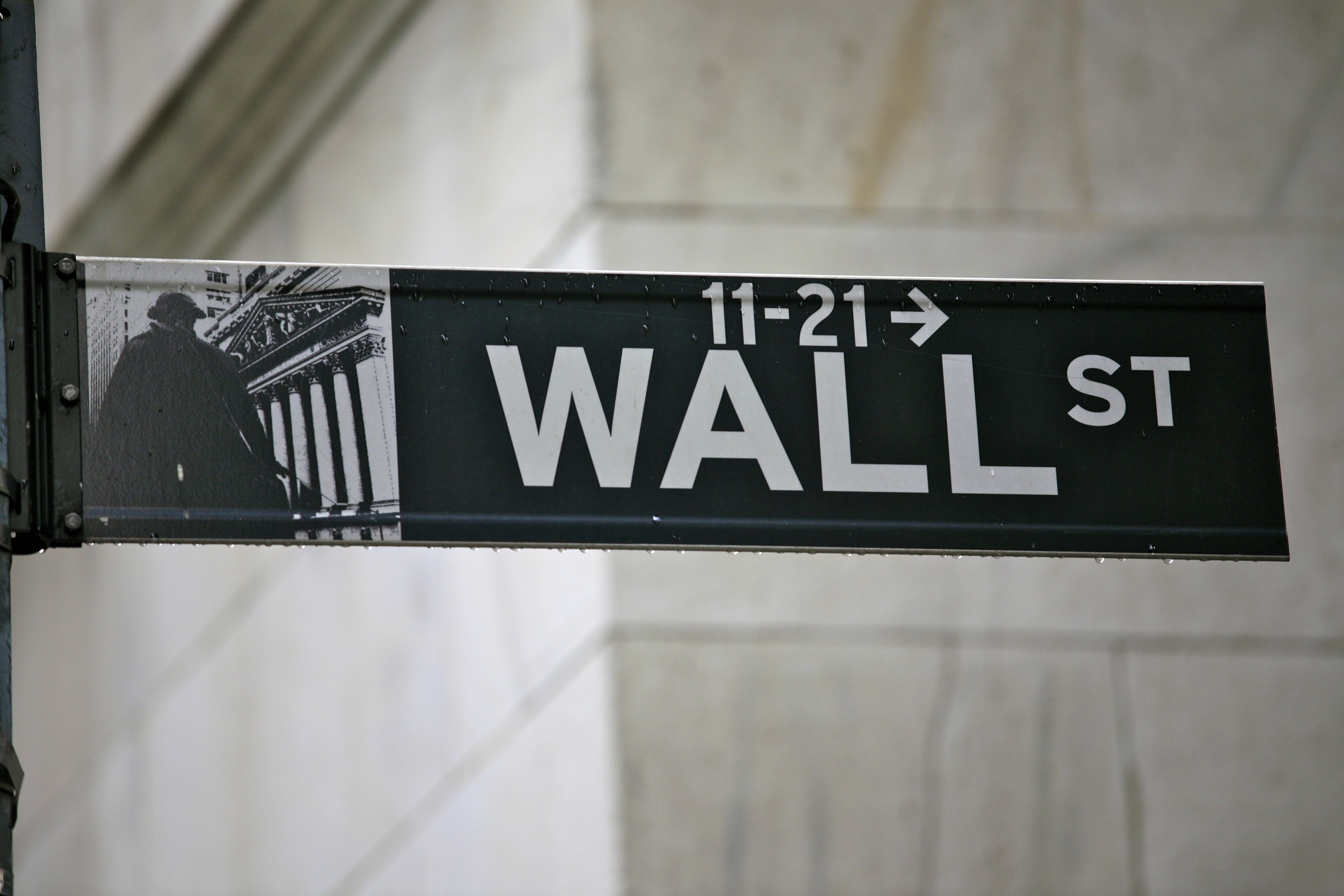
business · Thu, Aug 27, 12:44 AM
Wall Street Optimist Ed Yardeni Cautions Against AI Trade

business · Wed, Aug 26, 8:01 AM
Victory Capital to Acquire First Eagle Investments for $7 Billion

politics · Tue, Aug 25, 10:20 PM
Wall Street Prepares for US Midterm Election Scenarios

world · Tue, Aug 25, 3:22 AM
California AG Cancels Settlement Talks With Paramount Over Merger

business · Tue, Aug 25, 1:23 AM
Paramount Skydance Denies Rumors of CNN Sale

business · Mon, Aug 24, 7:59 PM
California AG Cancels Paramount Antitrust Settlement Meeting

world · Mon, Aug 24, 7:56 PM
Trump Intervened to Settle US DOJ Antitrust Case Against Live Nation

business · Mon, Aug 24, 4:58 PM
California AG cancels Paramount antitrust settlement meeting

business · Mon, Aug 24, 6:23 AM
Nikkei 225 Rises Following Wall Street Gains

business · Mon, Aug 24, 3:46 AM
Canada seeks to block B&G Foods sale of Green Giant brands to Nortera

business · Mon, Aug 24, 3:08 AM
Wall Street Divided Over TKO Group Holdings Stock

business · Mon, Aug 24, 3:01 AM
Analysts Split on Northrop Grumman Stock Outlook

world · Thu, Aug 20, 1:57 AM
Asian Tech Stocks Fall Following Wall Street Sell-off
business · Wed, Aug 19, 8:46 AM
Wall Street Analysts Issue Buy Rating for Aon plc
world · Wed, Aug 19, 7:07 AM
ASX Dips as AI Stock Slump Hits Wall Street

business · Wed, Aug 19, 6:52 AM
Nikkei Index Falls Following Wall Street Losses
business · Wed, Aug 19, 5:56 AM
Wall Street Split on Texas Pacific Land After Mixed Q2 Earnings
business · Wed, Aug 19, 3:15 AM
Wall Street Eyes Retail Earnings for US Consumer Clues

world · Wed, Aug 19, 12:50 AM
US and Global Stocks Fall as Middle East Truce Expires

business · Wed, Aug 19, 12:48 AM
Wall Street Analysts See No End to Global Bond Selloff

business · Wed, Aug 19, 12:34 AM
Wall Street Divided Over Akamai Technologies Stock
business · Tue, Aug 18, 4:31 PM
US Tech Selloff Drags Wall Street to Two-Week Lows
business · Tue, Aug 18, 4:30 PM
US Tech Stocks Slip as Bond Yields Hit Decade Highs

world · Tue, Aug 18, 3:15 AM
ASX Set to Slide as Weak US Spending Data Pulls Wall Street Lower

world · Tue, Aug 18, 1:36 AM
Wall Street Dips as Consumer Sentiment Slumps
world · Mon, Aug 17, 10:01 PM
US Stock Indexes Slip as Oil Prices Rise

politics · Mon, Aug 17, 3:07 PM
Paramount Seeks Settlement in US State Antitrust Suit Over Warner Bros Merger
business · Sun, Aug 16, 11:45 PM
Asian Markets Trade Mixed Amid Geopolitical Uncertainty
More on video
Samaa TV
Major Pakistan-Kyrgyzstan Deals Signed | New Agreements on Trade, Science & Education | SAMAA TV
IGN
E. Honda's Sumo Headbutt and Hundred Hand Slap appear in the Street Fighter movie! #streetfighter
ESPN FC
TRANSFER WINDOW REACTION 🗣️ What were the best signings in the Premier League & LALIGA? 🤔 | ESPN FC
ESPN FC
Julian Alvarez STAYING at Atleti 😦 Will reintegrating be a challenge? + LALIGA signings | ESPN FC
Global News
Danielle Smith pushes for accelerated West Coast pipeline as Trump flaunts Venezuela oil deal
Sky Sports News
BREAKING: Chelsea's deal to sign Lamine Camara from Monaco falls through
France 24 English
Football: Europe's top clubs scramble for last-minute signings • FRANCE 24 English
Inside Edition
Inside Deals On Milex Range Hood, Star Patrol Flashlights, Donna & Becky Bag — Up to 85% Off
India Today
CJP News: Ranka Hits Out At Amit Shah | CJP-Govt Deal & Student Protest Row #cjp
India Today
Ranka Speaks On CJP’s Demands | CJP-Government Deal & Student Protest Row #cjp #cockroachjantaparty
Yahoo Finance
Canada's Prime Minister has a message for the U.S. government if it wants a trade deal.
AJ+
Greece Signs $3.5 Billion Deal With Israel
TRT World
Pro-Palestine groups deliver petition calling for Israel sanctions to Downing Street
Sky Sports News
Deadline Day LIVE! Manchester City agree £125m deal for Enzo Fernandes! | The Transfer Show
Sky Sports News
BREAKING: Manchester City agree £125m deal with Chelsea to sign Enzo Fernandez 🚨
CNN
Retired general reacts to Army secy. Driscoll resigning
Democracy Now!
U.S. Deports Thousands to Countries They Don't Know Under Secretive "Third Country" Deal
Democracy Now!
The Biggest Oil Deal or Theft at Gunpoint? U.S. Claims Majority Control of Venezuela's Oil Reserves
CTV News
Downtown’s biggest street festival
CTV News
Calcium chloride won't return to Edmonton's streets: mayor